


The peaceful death of Uganda’s legendary folk musician, Paul Job Kafeero, was recently interrupted in one of the most dramatic inheritance cases in the country.
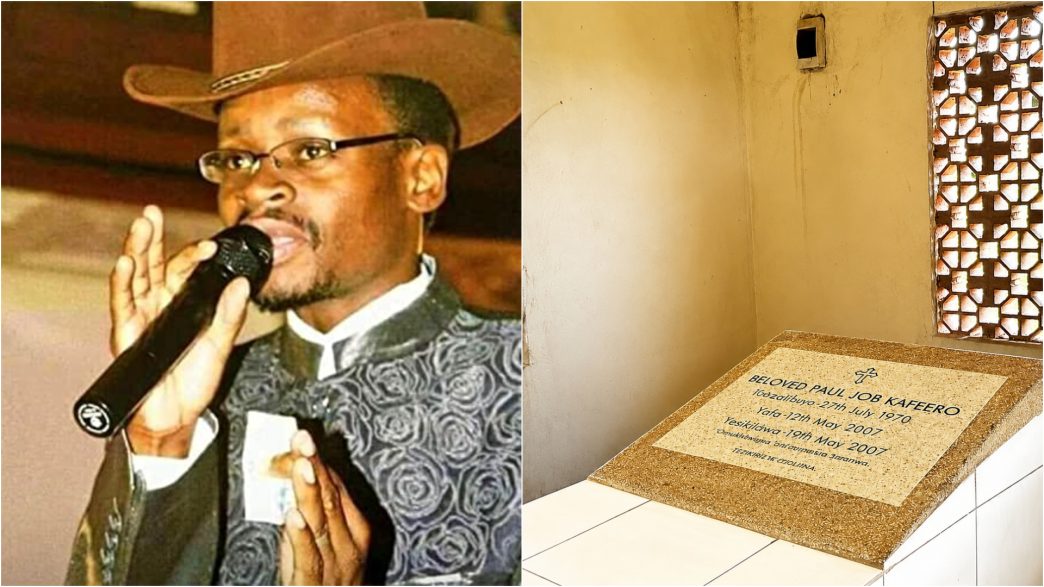
The Kadongo Kamu (a Ugandan music genre) musician’s body was exhumed nearly two decades after his death on a court order. The exhumation was done to take samples for a DNA test to settle claims by 25 people fighting over his massive estate.
SEE ALSO: 2 Children Suffocate to Death in Tororo, Uganda Charcoal Stove Tragedy 
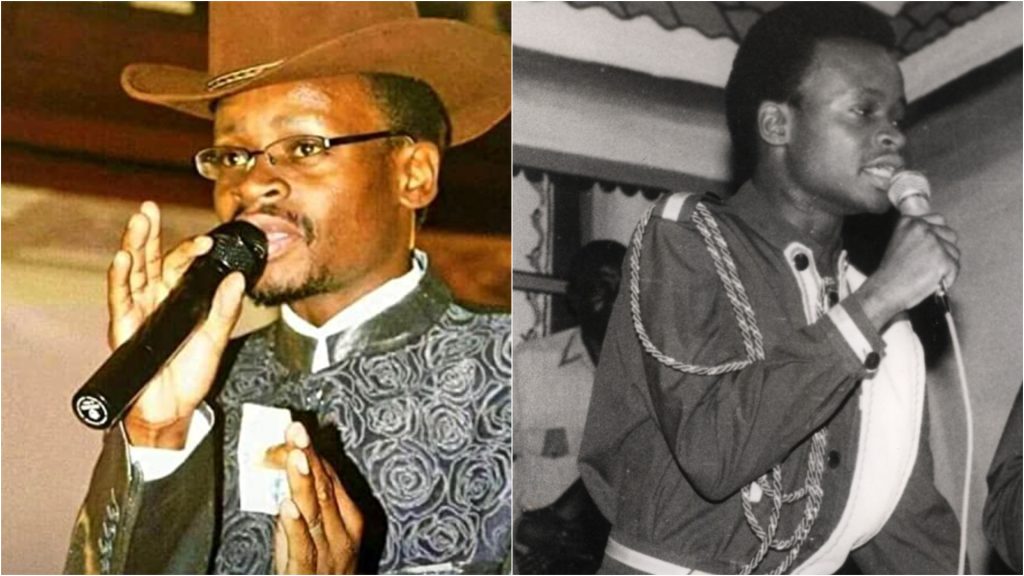
Who Was Paul Job Kafeero?
Paul Job Kafeero, who was popularly known as the “Golden Boy of Africa”, was born on July 12, 1970. When he began secondary school, his father left because Kafeero’s mother would not support his interest in music.
His older sister and her husband took him in and paid his school fees; when they couldn’t continue, he stopped going to school and took to making bricks to earn money. Kafeero also cultivated beans, sold used clothes, and made some to make more money. However, his interest in music did not die.
Later, his storytelling skills in his songs, accompanied by an acoustic guitar, made him rise to fame in the 1990s. Then his father came back around. His songs addressed social and political issues while expressing the aspirations of fellow Ugandans. Hits like Walumbe Zaaya made him a cultural icon, especially in Uganda. Sadly, his beautiful career was cut short on May 17, 2007, when he died from kidney failure complications at just 36 years old.
Golden Boy of Africa left valuable properties, including about 150 acres of land, houses, and ongoing music royalties, all of which are an estate worth multi-billions of Ugandan shillings.
About the Inheritance Chaos
Kafeero died with a will. Hence, immediately after his death, disputes erupted. Over the years, dozens of persons came up, claiming to be his biological children, seeking a part of his wealth. The mothers of these people joined in the fray, and a legal battle dragged on for 19 years.
On May 14, 2021, the High Court ruled against the exhumation request of Kafeero’s remains and asked the family to use archived lab blood samples instead. The forensic expert later declared the archived samples were unviable for the process.
Finally, in 2026, the court ordered the exhumation of Kafeero’s remains from his grave in Busansala village in Buikwe District. Forensic experts went on to collect bone and tissue samples under tight security from his grave on June 1, 2026. Paul Job Kafeero exhumation was the only way to identify who the real heirs are and put an end to the 19-year-long inheritance chaos.
SEE ALSO: Nigeria Is Not On The List, Which 21 African Countries Are Now Visa-Free to Uganda?
The DNA Results
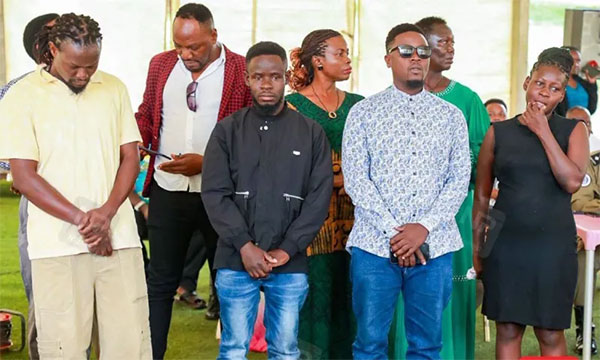
On June 25, 2026, the Ugandan government and police released the results of the DNA test. According to the findings, only 4 out of the 25 claimants were biologically related to Kafeero. The names of the confirmed children are:
Benedicto (Dube) Kafeero (male)
Simon Peter Kafeero (male)
Thomas Swaz Kafeero (male)
Elizabeth Nagwa (female) Minister Balaam Barugahara said that about 30 people initially came claiming to be the legend’s children, but five of them disappeared on realizing a DNA test was going to be conducted. He confirmed that the four children had also matched results from an earlier DNA test conducted years back, which other claimants rejected. The Minister of Local Government also added that the latest results will be used in further proceedings to update records and establish their claim to their father’s estate.

About The Author