



The Nigerian Electoral Act 2026 has been a rollercoaster ride since the news of it broke out. We’ve seen rowdy sessions in the National Assembly, boycotts, the #OccupyNASS protest, differing concerns, the eventual signing, and reactions that followed.
But beneath the language of reform and progress, the newly signed Electoral Act 2026 raises an important question. Has the law strengthened democracy, or has it merely rewritten its loopholes?
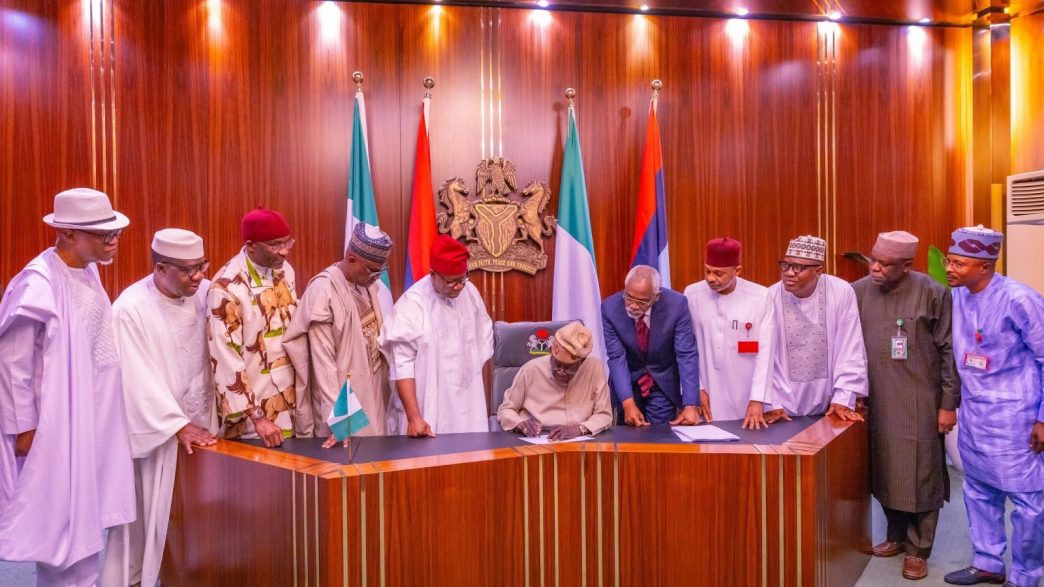
After months of legislative back-and-forth, a disputed voice vote in the House of Representatives, and harmonisation with the Senate under wraps, President Bola Tinubu assented to the bill on February 18. While lawmakers call this a modernisation of the electoral system ahead of 2027, civil society groups and many Nigerians are less convinced. 
While the noise has been difficult to miss, the changes haven’t. To avoid being blindsided, here’s a list of changes in the Electoral Act every Nigerian should know before voting in the 2027 elections.
DID YOU MISS: #OccupyNASS Protest: Why Are Nigerians Protesting the Latest Electoral Reform Bill?
What Changed in the Nigerian Electoral Act 2026
1. Electronic Transmission Now Mandatory, But Not Absolute
The Nigerian Electoral Act 2026 now mandates the electronic transmission of polling unit results to INEC’s Result Viewing Portal (IReV). On paper, this is a significant upgrade from 2023, when courts ruled that IReV lacked full statutory backing.
But the law includes a fallback clause. The clause states that where electronic transmission “fails,” the physical Form EC8A becomes the valid collation document.
The problem is not the backup system. It’s the ambiguity. The Act does not define what a “failure” is, who certifies it, or what penalties apply if it is abused.
“That clause is where elections can be won or lost,” said Yiaga Africa Executive Director Samson Itodo. “If ‘failure’ is loosely interpreted, the reform becomes cosmetic.”
A senior INEC official, speaking off record, noted that network inconsistencies remain a logistical reality in rural Nigeria. “We need a backup. But the law should be clearer about thresholds and documentation.”
2. IReV Now Has Legal Weight in Court
Unlike in 2023, when the Supreme Court ruled that IReV functioned only as a viewing portal, electronically transmitted results now have statutory recognition. This means that they can be tendered in election petitions.
Election lawyer Jibrin Okutepa (SAN) argues this strengthens post-election litigation. “For the first time, digital records are explicitly tied to legal review. That changes evidentiary standards.”
However, analysts warn that if the fallback clause dominates, courts may still resort to physical result sheets.
3. Election Notice Period Reduced
INEC must now publish election notices 300 days before polling instead of 360 days.
Lawmakers justified the change by arguing that the earlier timeline could push the 2027 elections into Ramadan. But there’s been criticism citing how compressing timelines may reduce preparatory buffers in a country with constant logistical issues.
“You don’t fix a calendar problem by shrinking institutional breathing space,” political analyst Dr. Abubakar Kari observed.
4. Election Funding Timeline Cut in Half
The release window for election funds has been shortened from 12 months to six months before polling. In theory, this means budgeting matches fiscal cycles. But in practice, it brings financial leverage closer to election season.
In reaction, there have been warnings that late funding in Nigeria is never just administrative. It affects procurement, training, deployment, and everything else.
5. You Can Now Download Your PVC Online
Voters can now download their Permanent Voter Cards directly from INEC’s website.
With millions of PVCs uncollected in 2023, this reform could mean more access. It also helps urban voters and young Nigerians who relocate frequently.
Civic tech advocate Gbenga Sesan described the move as “long overdue.” He adds that “digital access reduces friction in voter participation.”
Still, implementation details (cybersecurity, verification safeguards, offline accessibility) remain unclear.
6. Limited ID Requirements for Registration
The Act removes the National ID Card and Driver’s Licence as acceptable documents for voter registration. There is no detailed justification for this change. Election observers worry this may affect rural voters and elderly Nigerians who rely on those IDs.
“When you narrow documentation options without explanation, you risk unintended exclusion,” said a policy analyst at CLEEN Foundation.
7. Delegate System for Party Primaries Scrapped
Political parties can now only use direct primaries and consensus arrangements. The delegate system is now out, after being criticized as vulnerable to vote-buying.
While reform advocates applaud this, party insiders warn of logistical issues. While direct primaries sound democratic, without strong membership databases, they can become chaotic.
8. Stronger Recognition of Form EC8A
Despite digital reforms, the physical Form EC8A remains foundational. Signed by presiding officers and party agents, it remains the ultimate fallback document.
In disputes between digital uploads and paper sheets, the law does not explicitly clarify hierarchy. That vacuum could prove decisive in court.
What The Nigerian Electoral Act 2026 Means for the 2027 Elections
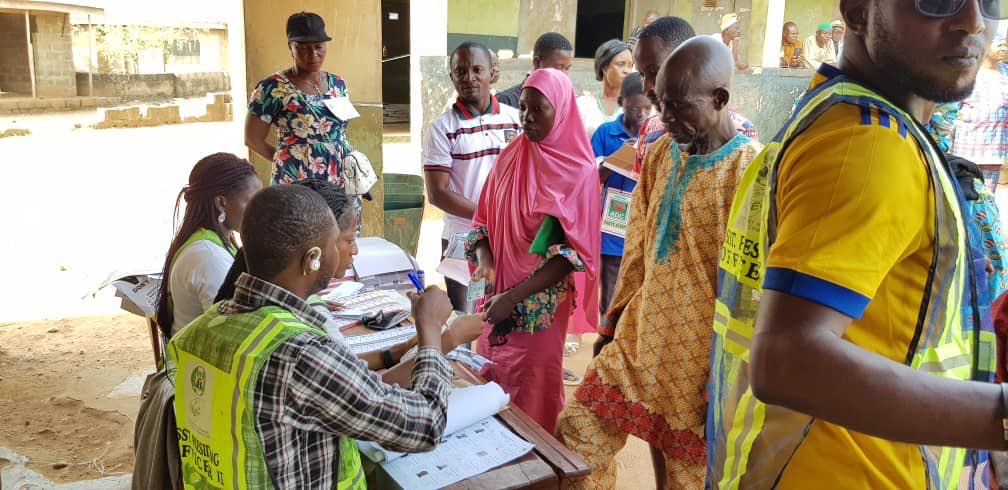
Indeed, the Nigerian Electoral Act 2026 contains genuine improvements like digital PVC access, legal recognition of IReV, and canceling delegate primaries. But it also leaves room for discretion in moments that need clear directions.
Eventually, no law protects democracy on its own. That responsibility comes down to the institutions, enforcement, and vigilance of citizens. These factors will determine whether the 2027 elections will be different from 2023.
However, the first step is for Nigerians to understand these changes and act accordingly.

About The Author