


Lassa fever is spreading across parts of Nigeria in 2026, and health authorities are urging Nigerians to take urgent preventive action.
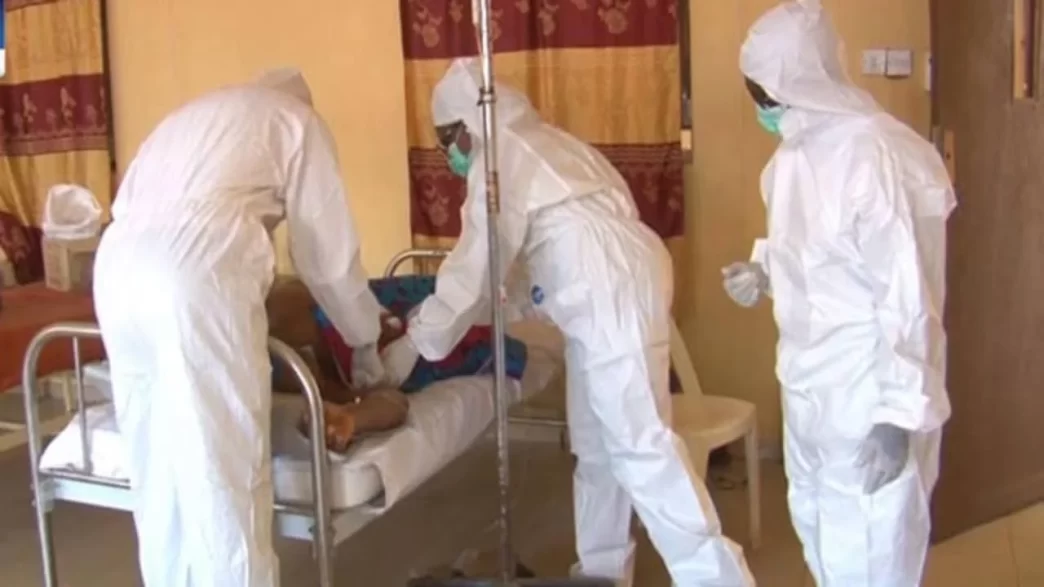
The disease has already claimed lives, including that of a medical doctor, Dr Salome Oboyi, a senior resident in O&G who contracted the virus while saving a patient.
According to the Nigeria Centre for Disease Control and Prevention (NCDC), the number of cases and deaths recorded in the first weeks of 2026 shows that Lassa fever remains a serious public health threat. 
DID YOU MISS: Why Everyone Will Be Drinking Warm Water on an Empty Stomach in 2026
What Is Lassa Fever?
Lassa fever is an acute viral haemorrhagic illness caused by the Lassa virus. People mainly get infected when they come into contact with food, water, or household items contaminated by the urine or faeces of infected rats.
The disease can also spread from person to person through contact with bodily fluids such as blood, saliva, urine, or vomit, especially in healthcare settings where protective measures are weak.
The disease is spread by the Mastomys rat, a common rodent found in many Nigerian homes.
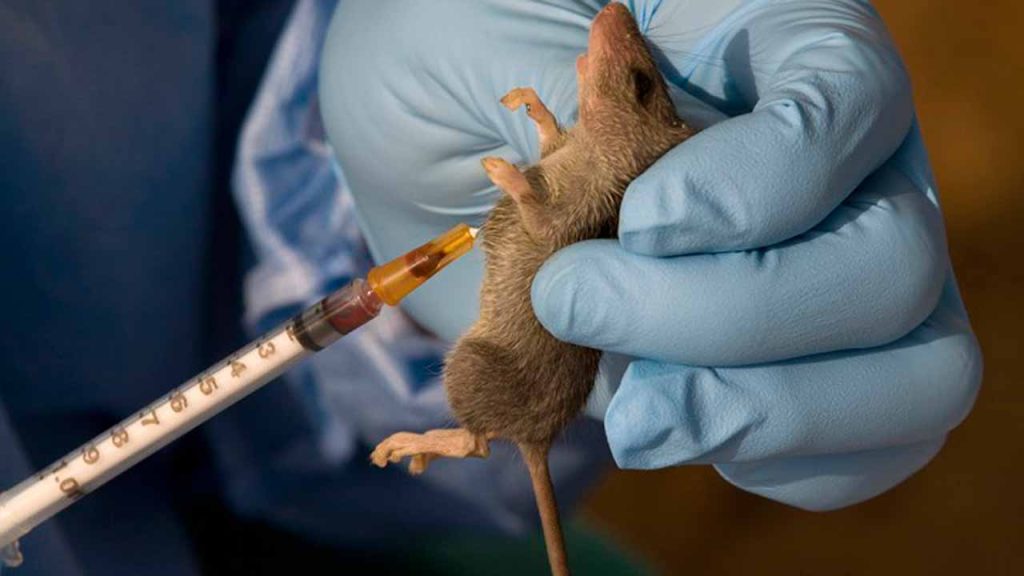
One major way to identify this rat is that it has many breasts, which is why it reproduces quickly and spreads easily. Once it enters a home, it can contaminate food and surfaces without being noticed.
States Affected by Lassa Fever in 2026
Lassa fever cases have been reported in several states, including:
- Bauchi
- Ondo
- Edo
- Benue
- Plateau
However, data from the NCDC show that 100 per cent of confirmed cases in the first epidemiological week of 2026 came from Bauchi, Ondo, and Edo States, making them the current high-burden areas.
Bauchi recorded 57 per cent of confirmed cases, Ondo 29 per cent, and Edo 14 per cent across nine local government areas.
In total, Nigeria recorded 21 confirmed cases and nine deaths in the first epidemiological week of 2026 alone.
This pushed the case fatality rate (CFR) to 42.9 per cent, which is significantly higher than the 18.5 per cent CFR recorded during the same period in 2025.
Symptoms to Watch Out For For
Lassa fever often starts with symptoms that look like malaria or typhoid, which makes it easy to ignore.
Common symptoms include:
- Fever
- Weakness
- Headache
- Sore throat
However, the disease can become severe. It may progress to bleeding from different parts of the body, difficulty breathing, swelling, and organ failure. This condition is why it is classified as a haemorrhagic fever.
If you treat a fever and you still feel weak, or you develop a sore throat, go to the hospital immediately. Stop self-medicating if your fever is not responding to treatment.
ALSO READ: Ifunanya Wasn’t Killed by a Snake; Nigeria’s Broken Health System Did It
How Lassa Fever Is Treated
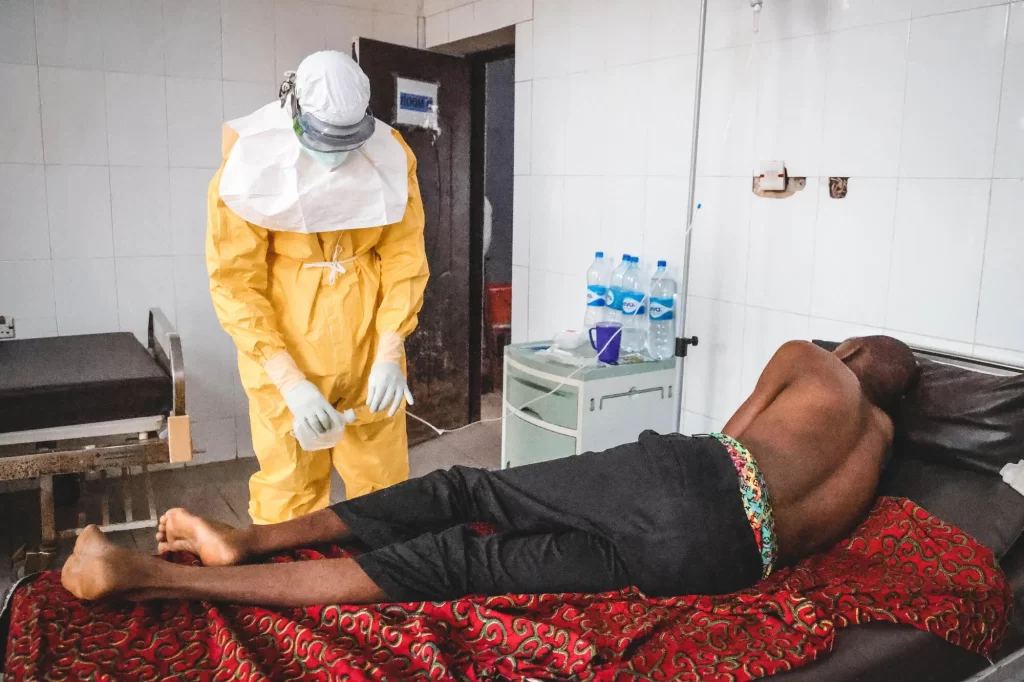
Doctors treat Lassa fever with an antiviral drug called ribavirin. Treatment works best when doctors diagnose the disease early.
Early diagnosis and prompt medical care greatly improve survival and reduce the risk of death.
How to Prevent Lassa Fever
You can protect yourself and your family by taking simple but important steps:
1. Store food properly
Keep items like rice, beans, and garri in airtight containers that rats cannot enter. If a rat contaminates your food, you can contract the virus.
2. Stop drying food outside
Rats can climb on food, urinate or defecate on it, and infect it with the virus.
3. Block holes in your house
Seal all holes and cracks to prevent rats from entering your home. Once a rat gets in, it can infect you and your children.
4. Maintain environmental hygiene.
Keep your surroundings clean to discourage rats from nesting near your home.
5. Seek medical care early
If you have a persistent fever or feel unusually weak, go to the hospital immediately.
The rising number of cases and the sharp increase in deaths show that Lassa fever remains a deadly threat in Nigeria in 2026.
With a case fatality rate higher than last year, health authorities continue to urge Nigerians to stay alert, practise good hygiene, and report symptoms early to save lives.
About The Author