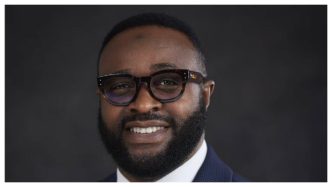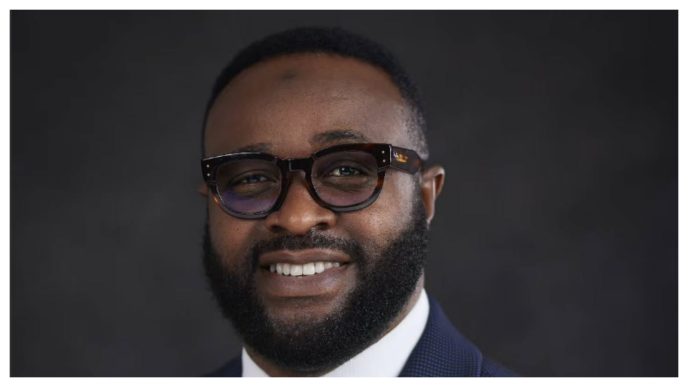




Fido’s apology is trending, and in fact, it has drawn more attention than his recent music.
In a post on X, the singer admitted, “There’s no easy way to write this… I messed up.” He blamed “ego, excitement, and inexperience” for decisions he now regrets, apologising to fans, industry players, and Afrobeats pioneers. He ended his apology confidently, saying, “This is growth… It’s game time again.”
This apologetic moment has sparked reactions because of how quickly Fido’s momentum changed and what that says about Nigeria’s cancel culture. 
DID YOU MISS: Did You Know the Ooni of Ife Owns Over 15 Businesses Across Nigeria? Check Them Out
Does Fido’s apology make him humble or humbled?
After ‘Joy Is Coming’ pushed him into the spotlight, it felt like controversy, and not the actual joy, came.
In December 2024, during an Instagram Live, he referred to Davido’s fanbase as “Osakpolor FC”. For context, this is a name that Davido has publicly said he dislikes. Though Fido apologised almost immediately, citing ignorance, the backlash didn’t stop.
By March 2025, the tensions had become worse. He accused Caleb Oyolola and Inner Circle Entertainment of taking “95% of a $20k deal.” Caleb responded that they discovered him, changed his name from Phildo to Fido, invested in his development, and spent over $15,000 promoting “Mr Lover”, which underperformed.
With the issue unresolved, Fido left the label, signed with EMPIRE music, and released ‘Olayemi’ in July 2025. Aside from “Joy Is Coming”, no major hit followed.
By December, he reconciled with Caleb. And now in February, his apology is the topic of most conversations. Is this indeed a sign of growth, a strategy, or both?
Cancel Culture in Nigerian Music
More importantly, what does this Fido apology and the events surrounding it say about the cancel culture in Nigeria?
The best way to understand this is to cite other cases of Nigerian artists who got successfully cancelled for what they said or did.
Naira Marley: When Public Anger Refuses to Die
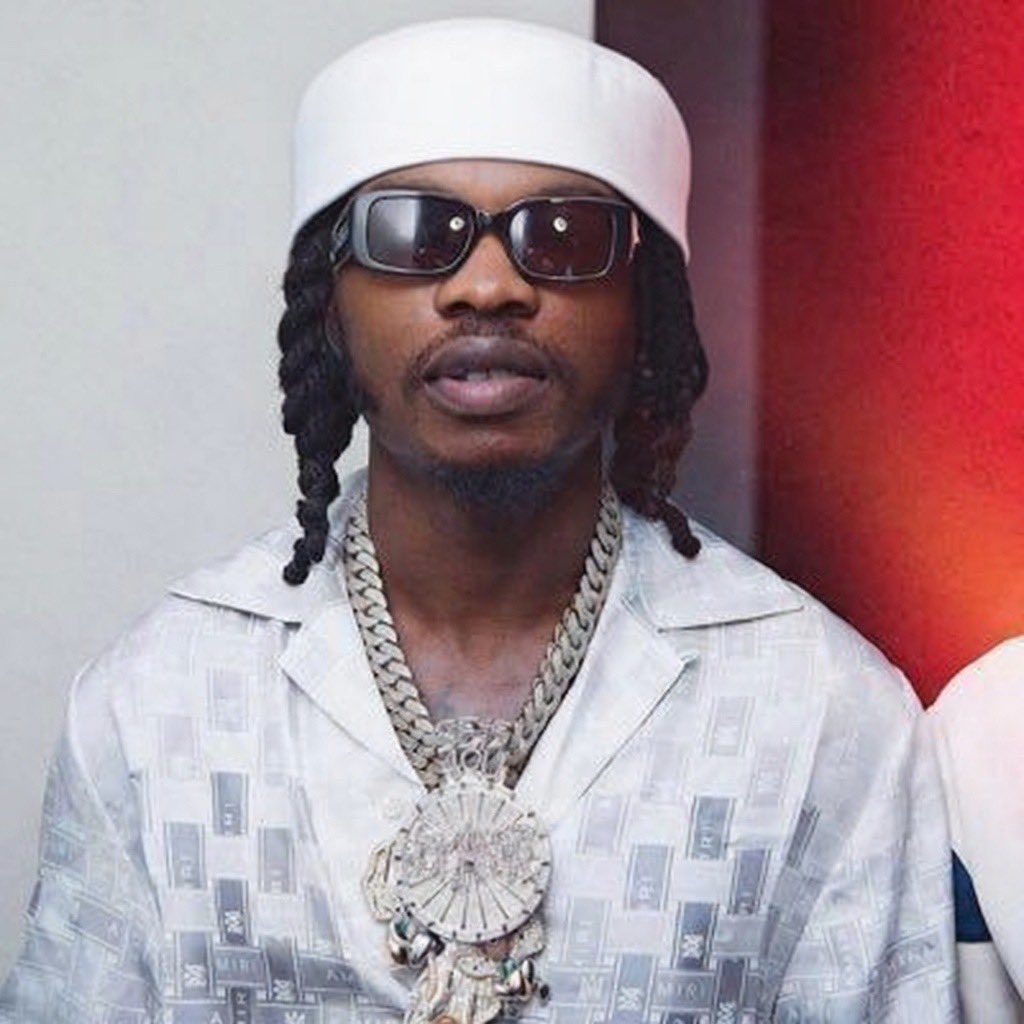
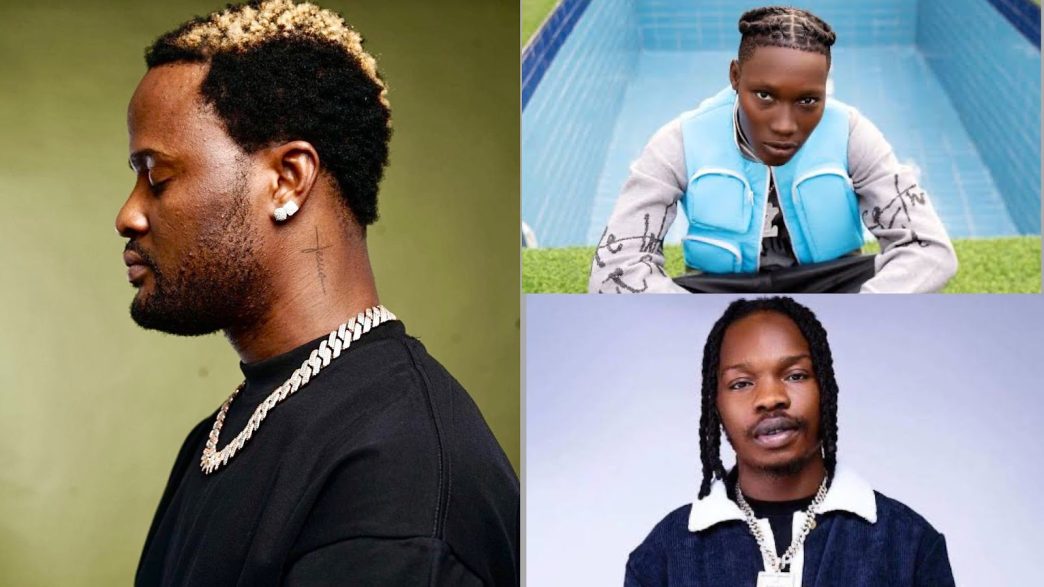
If Fido’s case is about missteps, Naira Marley’s situation is connected to something heavier. After Mohbad died in September 2023, there was public outrage connected to his record label, Marlianz Music, the label boss, Naira Marley, other artistes like Zinoleesky, and associates like Samlarry.
Indeed, investigations did not directly link Naira Marley to the death, and he was out of the country during this period. Still, his past conflicts with Mohbad raised suspicion. Online protesters demanded accountability, and sentiment quickly turned against him.
Radio stations reportedly pulled his music, and event bookings reduced significantly. His June 2024 post declaring loyalty to “Marlians” was widely mocked. But beyond social media, the reputational damage affected the broader Marlian Music brand.
The episode marked one of the clearest examples in Nigeria’s music industry of public backlash. It appears that the cancel culture translated into actual career setbacks. While Naira Marley has continued releasing music, his mainstream dominance has not returned to pre-2023 levels.
Zinoleesky: The Cost of Silence and Association
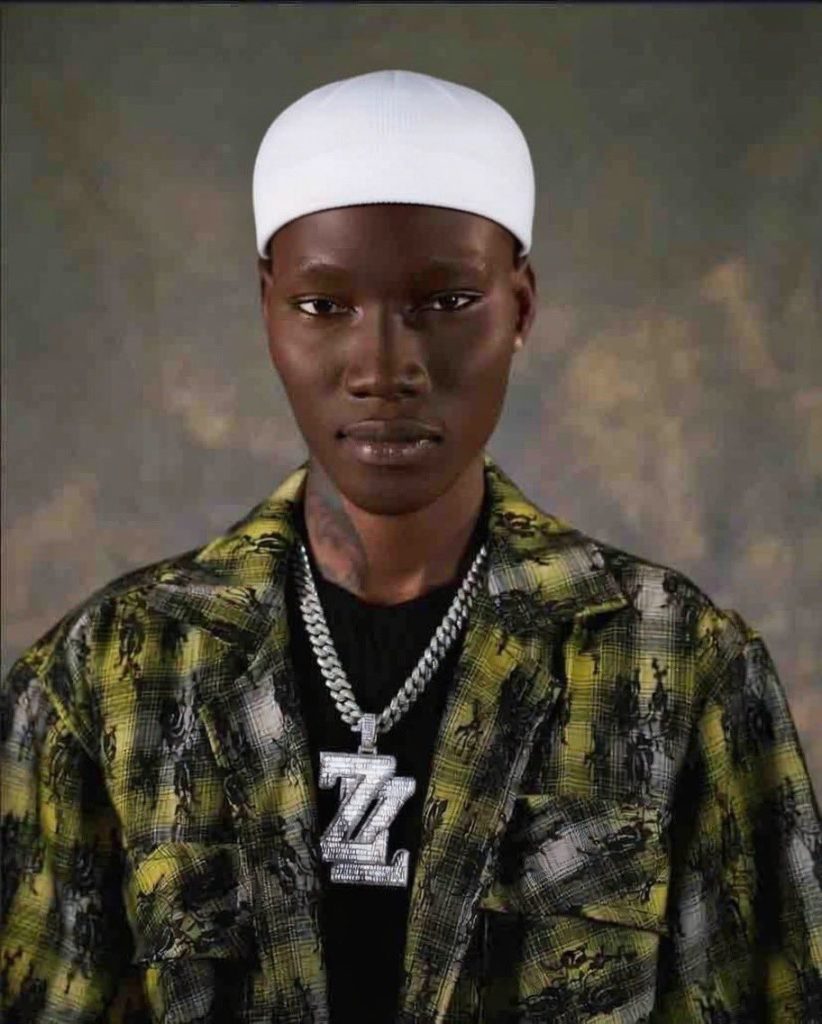
Zinoleesky got affected due to his proximity and silence. As a Marlian Music artist, he was also under fire after Mohbad’s death. Old videos circulated online, with critics accusing him of not defending his colleague. Though he was questioned by authorities and later released without charges, the public suspicion didn’t stop.
Several radio and TV platforms reportedly reduced or suspended his airplay, and a planned U.S. tour faced setbacks. His comeback efforts, including the single ‘Sakara’, have faced visible resistance online.
Unlike a direct scandal, Zinoleesky’s situation highlights how silence or perceived silence can determine how the public sees you. In today’s digital space, not speaking can be interpreted as taking a side.
Fido Apology and Nigeria’s Cancel Culture
Though limited and tied to the same events, Naira Marley and Zinoleesky are the only other two cases of Nigerian artists who got cancelled. This is because cancel culture in Nigeria has often seemed inconsistent.
Some controversies fade quickly, while others leave lasting marks. But it seems like cases involving loyalty, betrayal, or death are taken more seriously.
The Fido apology fits into this general change. Whether sincere or strategic, his apology confirms that talent alone is no longer enough. Public image, alliances, and crisis management now play a decisive role in sustaining relevance.

About The Author