





Renowned human rights lawyer and Senior Advocate of Nigeria (SAN), Femi Falana, has taken the Federal Republic of Nigeria to the ECOWAS Community Court of Justice, demanding $10 million in damages.
Falana is suing the Nigerian government for what he describes as a prolonged pattern of unlawful arrests, detentions, and other rights violations that lasted through successive military regimes.
In the suit marked ECW/CCJ/APP/30/2026, filed in Abuja, Falana claims that Nigerian authorities violated his rights to personal liberty, dignity of the human person, fair hearing, property, and freedom of movement under the African Charter on Human and Peoples’ Rights between the early 1980s and mid-1990s. 
SEE ALSO: Dora Akunyili Won the Battle, But Nigeria Still Struggles With Counterfeit Products
Key Allegations Against Nigeria by Femi Falana
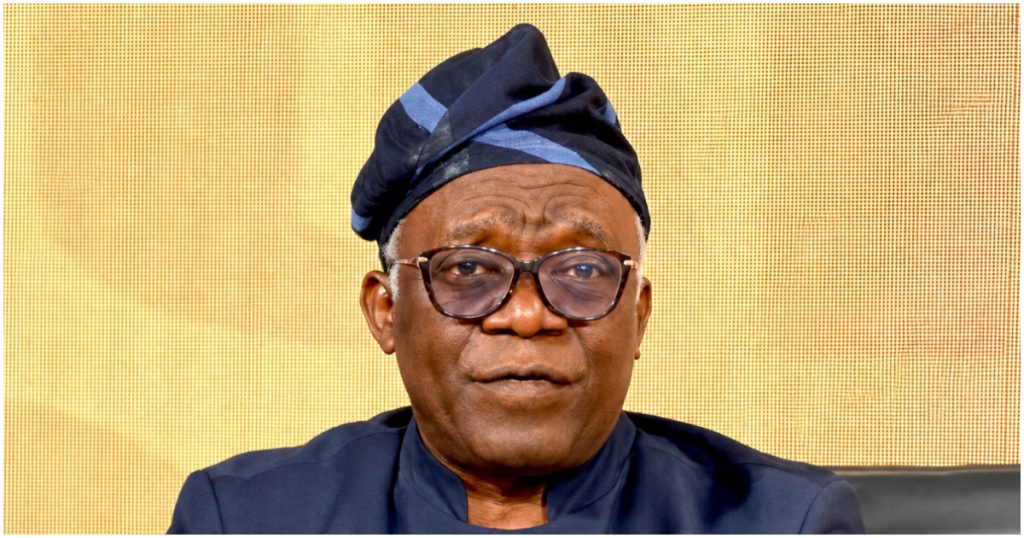
According to the application, the alleged violations include:
- Withholding of his NYSC discharge certificate after he represented University of Ibadan students during his service year from 1982-1983.
- Arrest by National Security Organisation (NSO) agents at the Lagos State High Court on June 8. 1985, a warrantless search of his chambers, and seven weeks of detention at the NSO facility on Awolowo Road, Ikoyi.
- An alleged abduction from his Lagos residence in the early hours of April 8, 1990, by State Security Service operatives, who reportedly abandoned him in a bush along the Lagos-Epe road.
- Seizure of his international passport and other restrictions on his movement.
- Multiple arrests and prosecutions between 1991 and 1996, including cases involving conspiracy, sedition, and unlawful assembly.
Falana is asking the regional court to declare these actions unlawful and to award him US$10 million as compensation for the alleged breaches.
The ECOWAS Court has yet to hear or determine the case. Hence, the claims remain allegations until proven.
SEE ALSO: Mr Macaroni Responds to Viral Video on Why He Stopped Talking About the Government
Reactions
The lawsuit filing has caused significant public attention. Many are viewing it as another chapter in Falana’s decades-long pursuit of accountability for past human rights abuses.

About The Author