


The long-awaited FIFA World Cup begins in a few days, and people have not stopped talking about the Trionda, the official FIFA World Cup ball for the year.
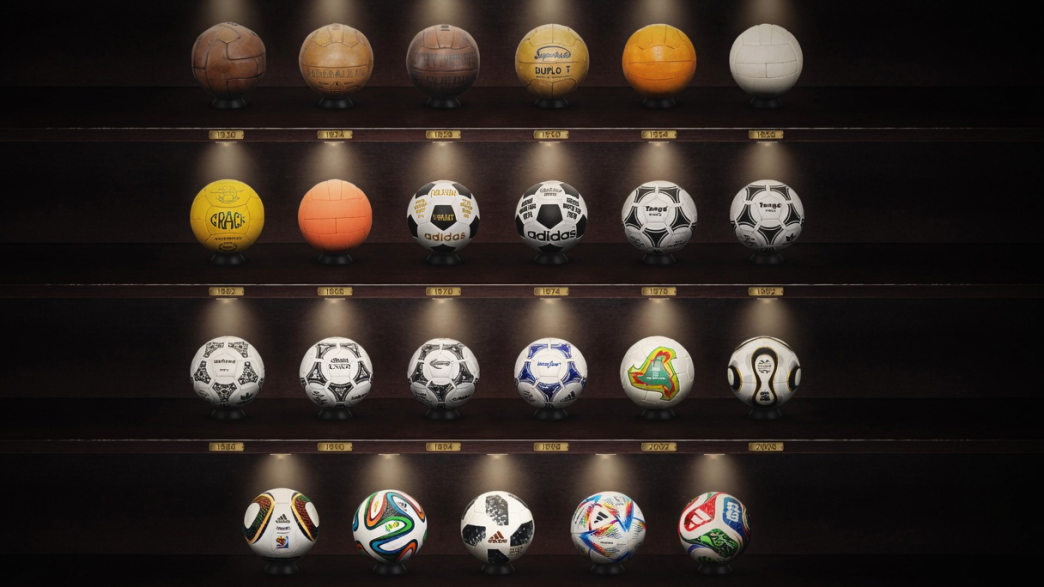
This year marks the 23rd FIFA World Cup tournament. World Cup balls have changed a lot over the years. The first tournaments used brown balls, but a yellow ball was introduced in 1954 because it was easier for fans to see. Not every World Cup had its own special ball, as some tournaments used balls from the Olympic Games. Some even switched between two or three different balls during matches.
However, for the past 15 tournaments (since 1970), each FIFA World Cup has had its own special ball made by Adidas. 
SEE ALSO: FIFA 2026 Rankings: See 7 African Countries Dominating the List
Why Do the Balls Keep Changing?
The footballs change to make them easier to see on TV, work better in different weather, and help players play more accurately.
They get new designs to pay homage to the host countries and change in technology from simple leather ones to super high-tech designs to make the game better.
Each new ball shows how football keeps improving, from the Telstar to the Trionda in 2026.
FIFA World Cup Balls From 1970 to 2026
1970 Mexico: Telstar
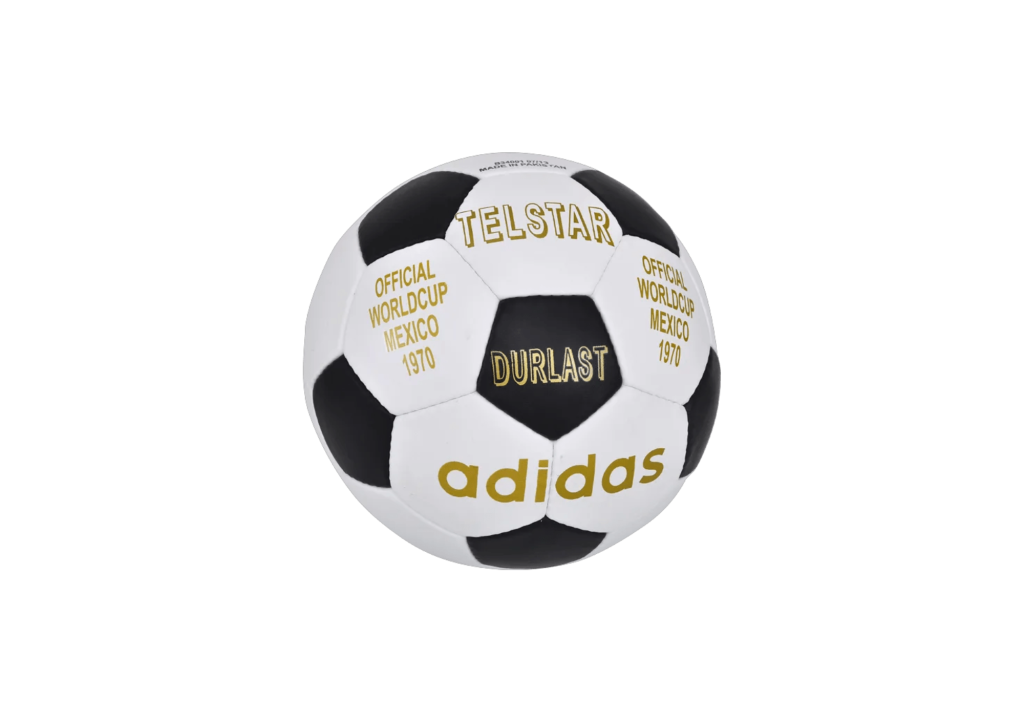
The Telstar was the first black-and-white ball with 32 panels. The panel consisted of 12 black pentagons and 20 white hexagons. It also had a plastic coating that made it water and mud-resistant.
The 1970 FIFA World Cup ball was named Telstar after a TV satellite because it was made to look perfect on black-and-white televisions. From then on, soccer balls stuck to the hexagon panels.
1974 West Germany: Telstar Durlast
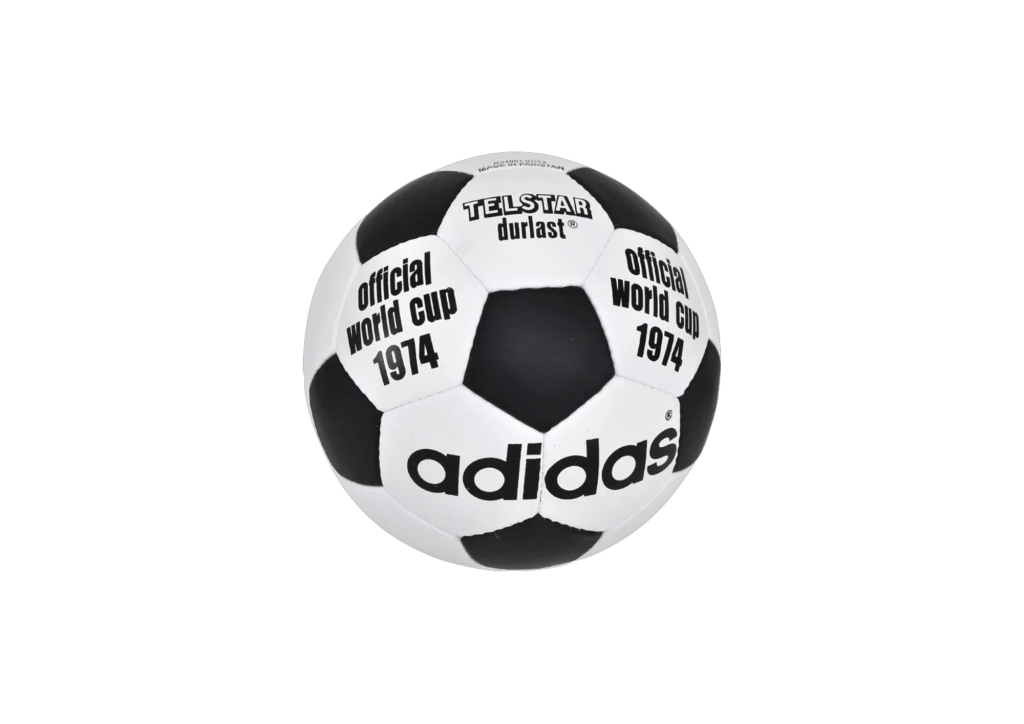
The Telstar Durlast was the big brother to Telstar. There were two versions of it: the white Chile Durlast and the orange Apollo Durlast, made visible for matches in snow.
SEE ALSO: World Cup 2026 Winner Prediction: Top 5 Teams Most Likely to Lift the Trophy
1978 Argentina: Tango Durlast
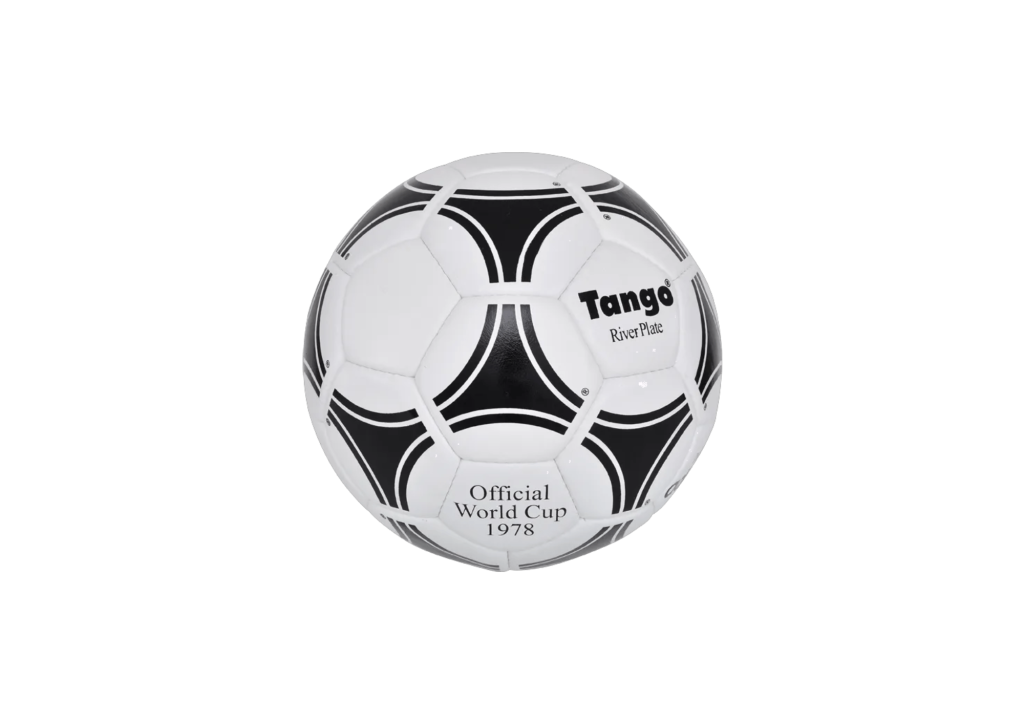
Tango is a famous couple dance that originates from Argentina in the 1880s. Interesting, yeah? The Tango Durlast introduced triads made of curved lines that looked like circles from far away. This design also became a classic used for five years after.
1982 Spain: Tango España
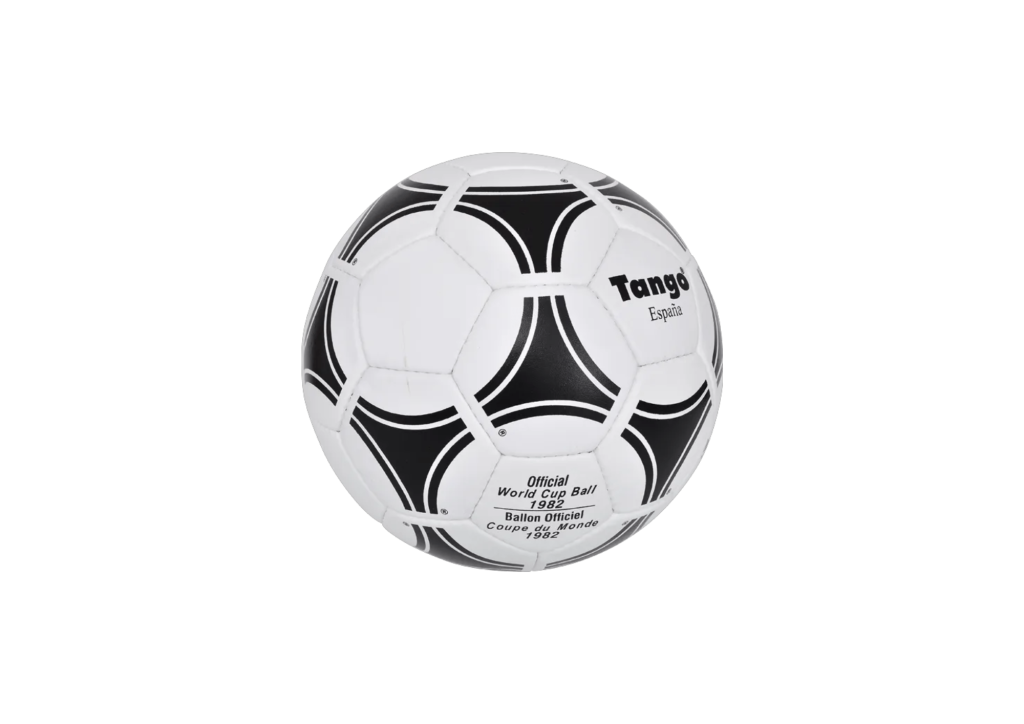
The Tango Espana was the Tango Durlast’s elder sister, with polyurethane instead of Durlast this time. It was the last leather World Cup ball and had better waterproofing.
1986 Mexico: Azteca
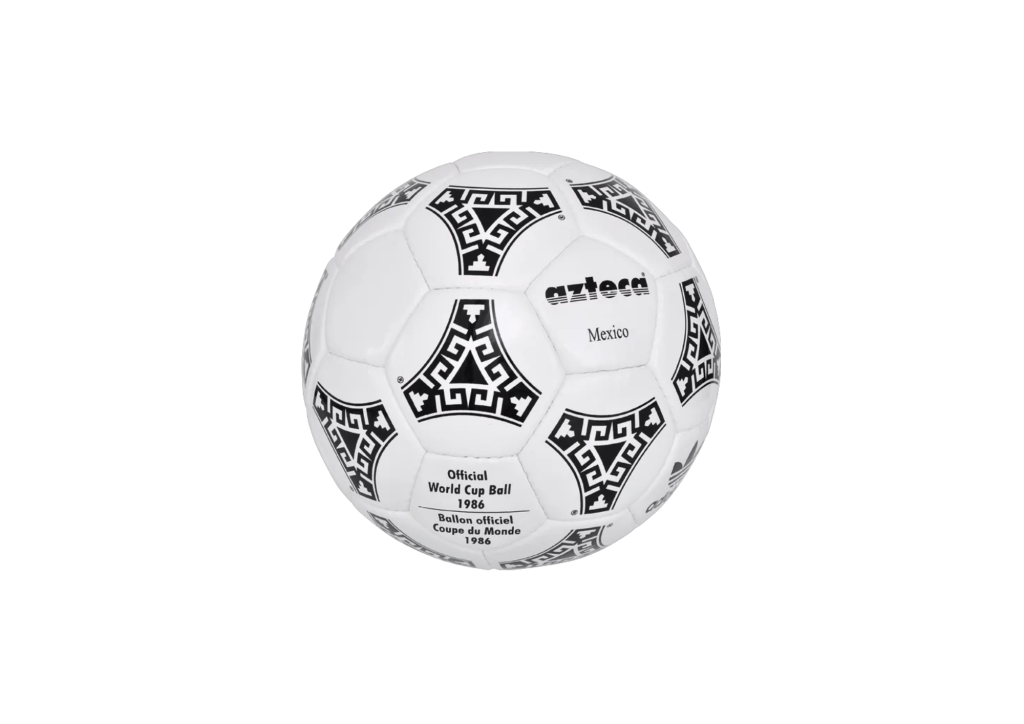
Like the Tango balls, the Azteca was named after the Aztecs who lived in the region OF Mexico between the 14th and 16th centuries.
It was the first fully synthetic ball and was great for the Mexican hot weather. The triad design was slightly changed, referencing ancient Mexican art and architecture.
1990 Italy: Etrusco Unico
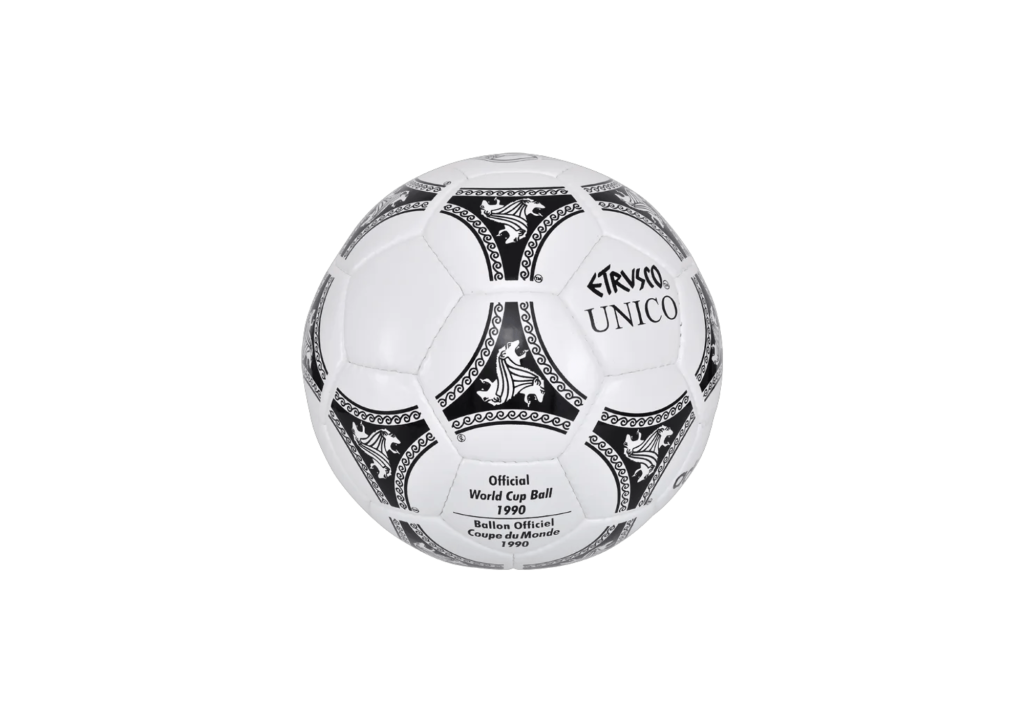
The 1990 Italy FIFA ball was inspired by the Etruscan people of the 800-100BC. Each of the triads on the ball was adorned with the heads of three lions, each with its mouth open as they are seen in Etruscan art of Italy. The foam layers inside it, for better performance, made it different from its predecessors.
SEE ALSO: Easiest Countries African Fans Can Visit for the 2026 FIFA World Cup
1994 USA: Questra
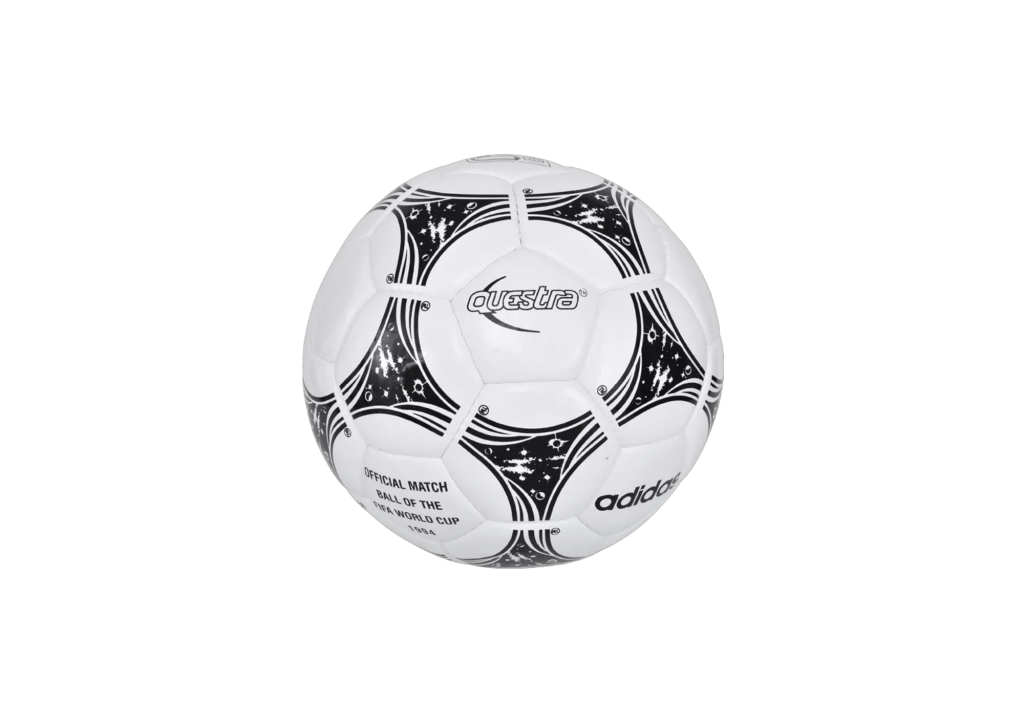
‘Questra’ is a play on the phrase “Quest for Stars,” referencing the host’s exploration of space and marking the 25th anniversary of the Apollo 11 landing on the moon.
This ball was lighter, softer to the touch, and much more responsive because of the high-tech materials used to make it. The Questra’s triads were decorated with planets, stars and rockets.
1998 France: Tricolore
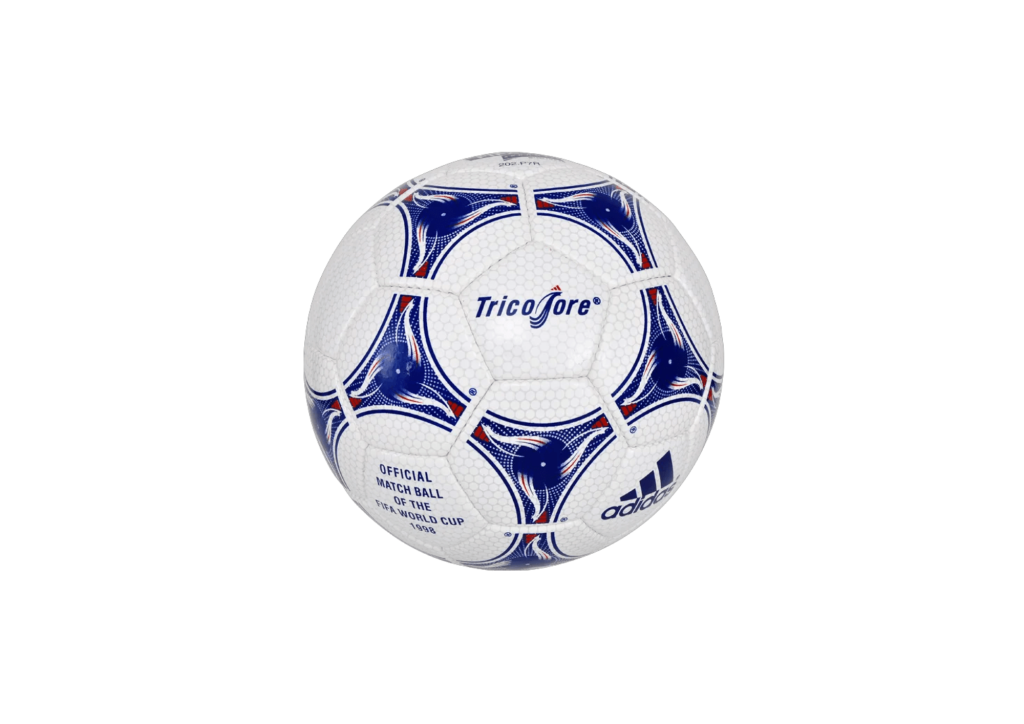
As the name implies, it had three colours: red, white, and blue (the colours of the French flag). The Tricolore FIFA World Cup ball was the first multi-coloured ball; hence, it looked bright and modern.
It also had a special foam coating made of tiny gas-filled micro-balls. This technology helped the ball move faster and respond better during play, and it is still used in footballs today.
The Tricolore ball featured three cockerels, a national symbol of France. Their red combs were designed to resemble the Adidas (the maker) logo.
2002 Japan & South Korea: Fevernova
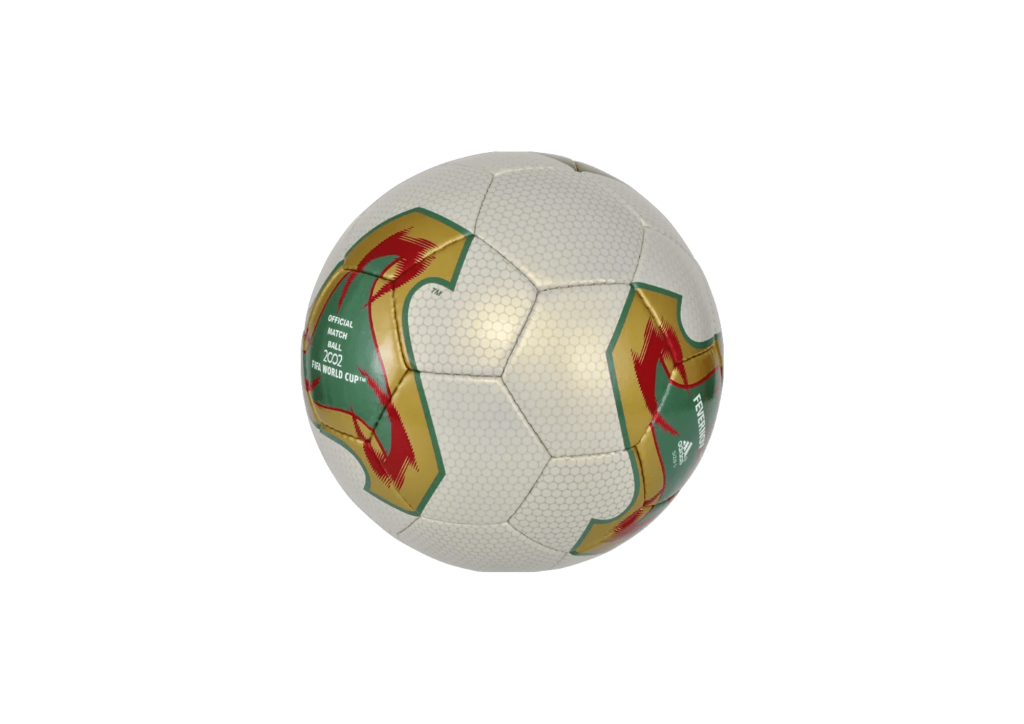
There was also a break from the triads, which was replaced with four colourful trigonal designs. The triangles paid homage to Asian culture with vibrant gold and red flame patterns, which also represented wind turbines, in a celebration of alternative energy sources.
Fevernova came from the words “fever” and “supernova”, which had a foam layer that gave players better control, accuracy, and cushioning when striking the ball. It was the last 32-panel FIFA World Cup ball.
SEE ALSO: 3 African Artists Take Centre Stage in FIFA’s Global Entertainment Strategy
2006 Germany: Teamgeist
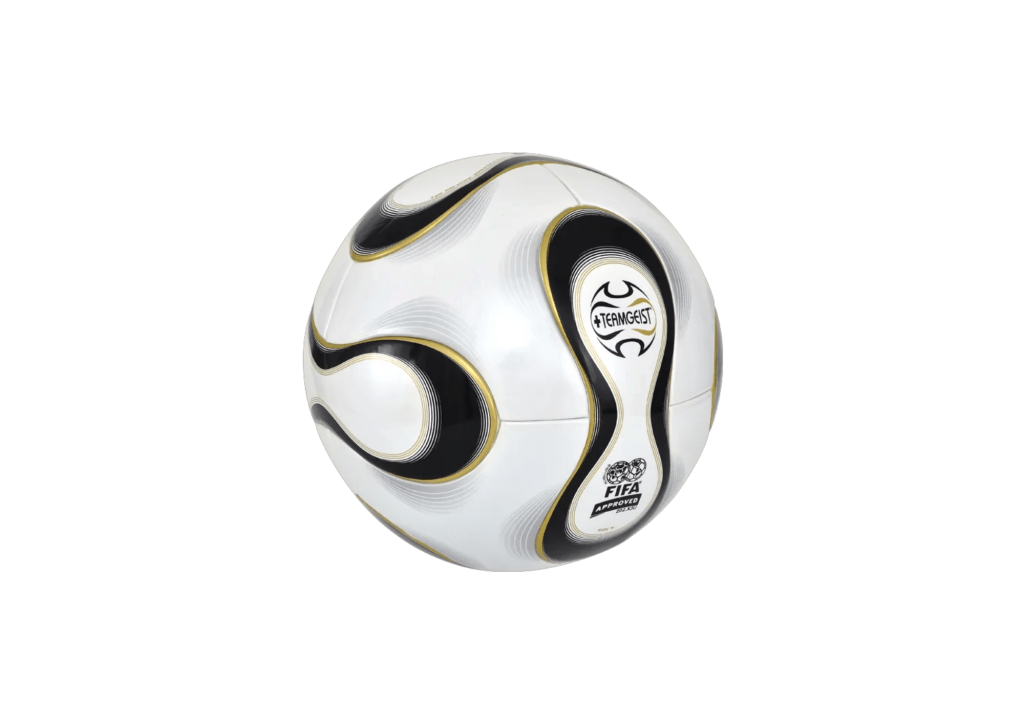
The Teamgeist (German for ‘team spirit’) introduced 14 panels instead of 32 and a more rounded shape. Its shape made it move unpredictably in the air, which, according to Unisport, made goalkeepers hate it.
2010 South Africa: Jabulani
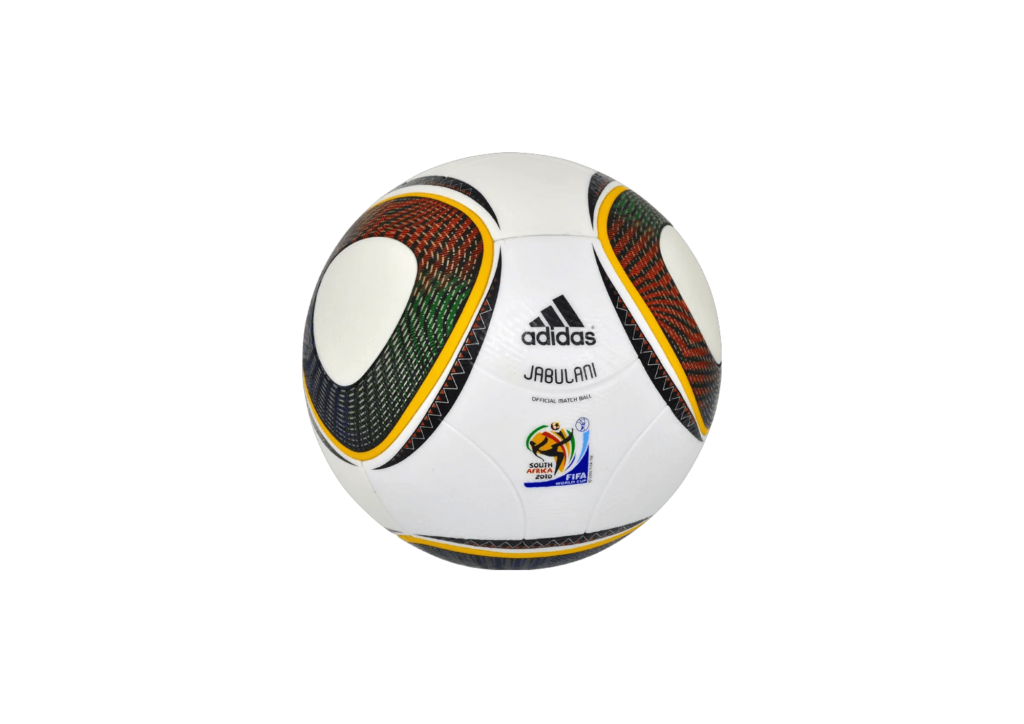
Away from 14 panels, the Jabulani FIFA World Cup was super smooth with eight 3D panels.
The Jabulani (‘celebrate’ in Zulu) had 11 colours to represent the official South African languages, the cities originally planned for the first World Cup in Africa and the number of players on a football team.
The perfect spherical-shaped ball was designed to enable perfect grip and maximum control in all conditions.
2014 Brazil: Brazuca
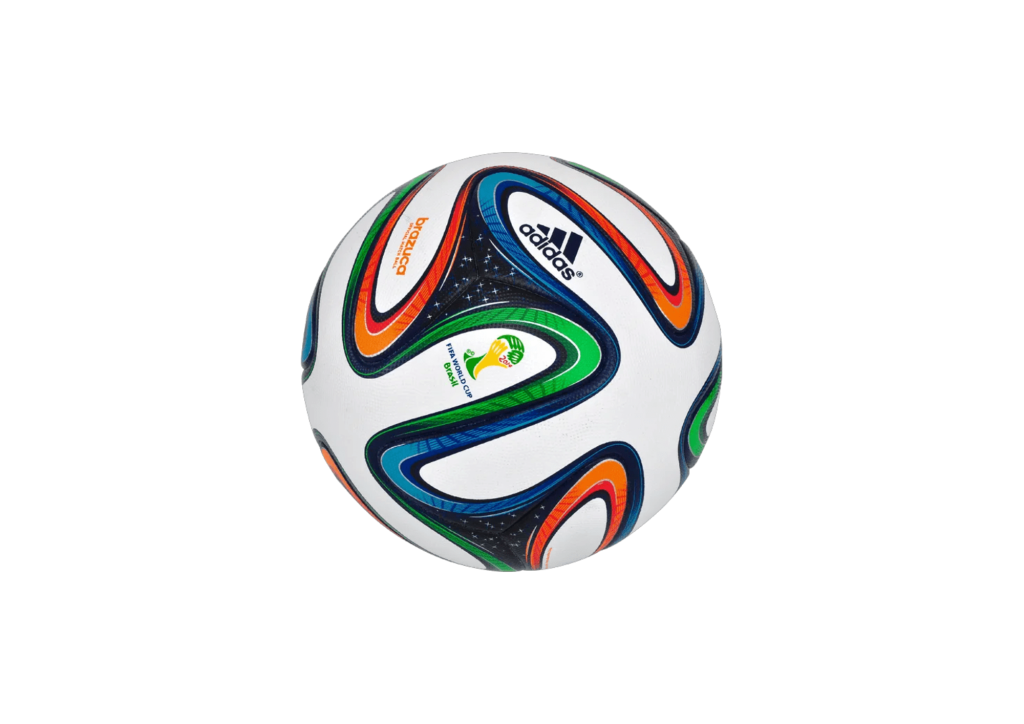
This one had six panels with a textured surface. The Brazuca was tested more thoroughly than any previous World Cup ball. More than 600 professional players, 30 teams of scientists, and several laboratory tests helped make sure it performed at the highest level.
The colourful swirling patterns were inspired by traditional Brazilian wish bracelets and reflected the country’s culture and pride.
The Brazuca ball had six propeller-shaped panels that helped it fly more smoothly and stay stable in the air. Its design also gave players better control and grip. More than one million people voted to choose its name, and Brazuca won.
SEE ALSO: Why the 2026 World Cup is Special – and How to Catch Every Minute of it
2018 Russia: Telstar 18
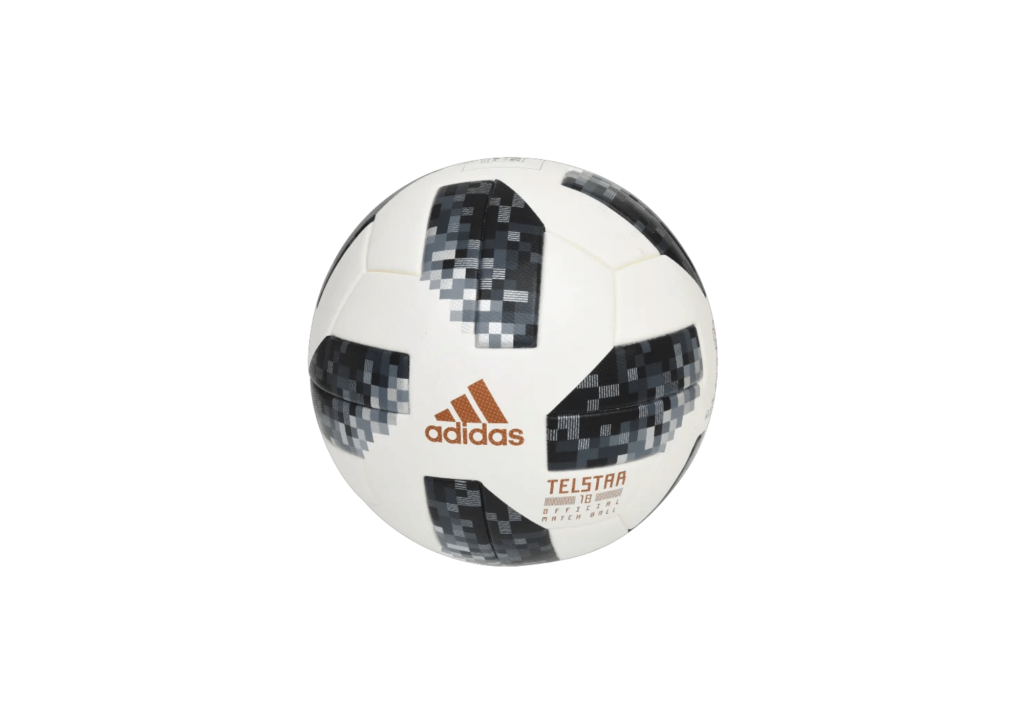
The Telstar 18 was a modern version of the famous Telstar ball first used almost 50 years earlier. Its design included digital-style patterns that looked like the original ball spinning.
It was built to celebrate both football’s history and its future. The ball also contained a small NFC chip inside, so fans could use their smartphones to interact with the ball and access special content.
The Telstar 18 was made from six textured panels that were glued together instead of stitched as usual. This design improved accuracy, performance, and water resistance.
2022 Qatar: Al Rihla
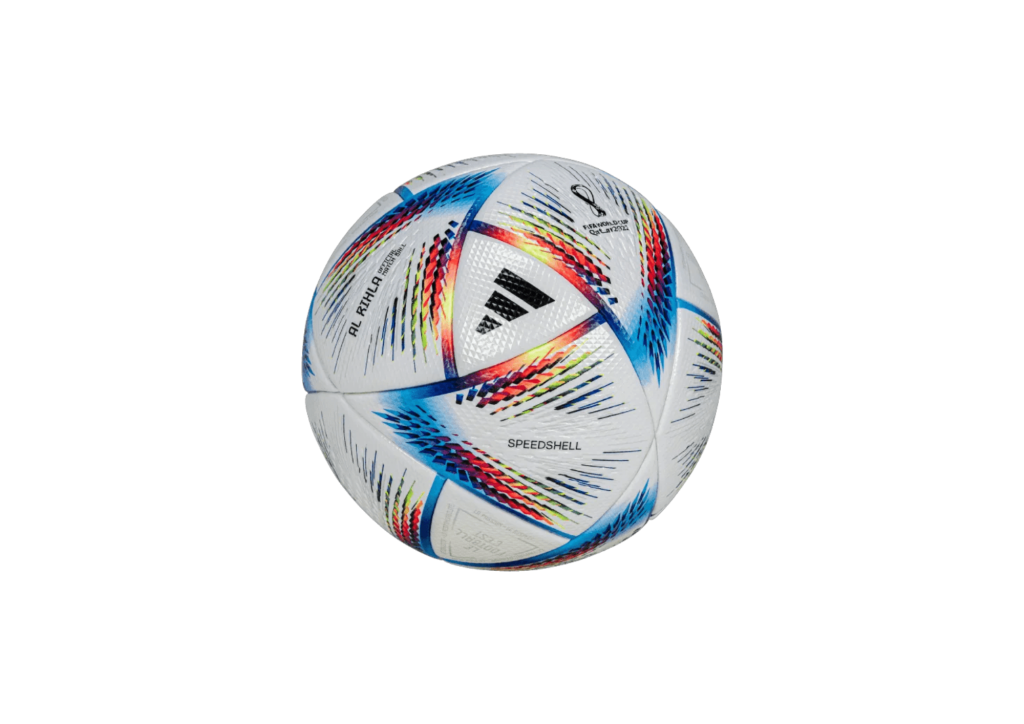
The Al Rihla was designed to be very fast and aerodynamic, making it the quickest World Cup ball ever in flight. It makes sense that Al Rihla also means ‘the journey’ in Arabic.
The colorful design was inspired by Qatar’s culture, architecture, boats, and flag. It featured Connected Ball technology, which helped referees make faster and more accurate decisions, especially for close offside calls.
2026 Canada, Mexico & USA: Trionda
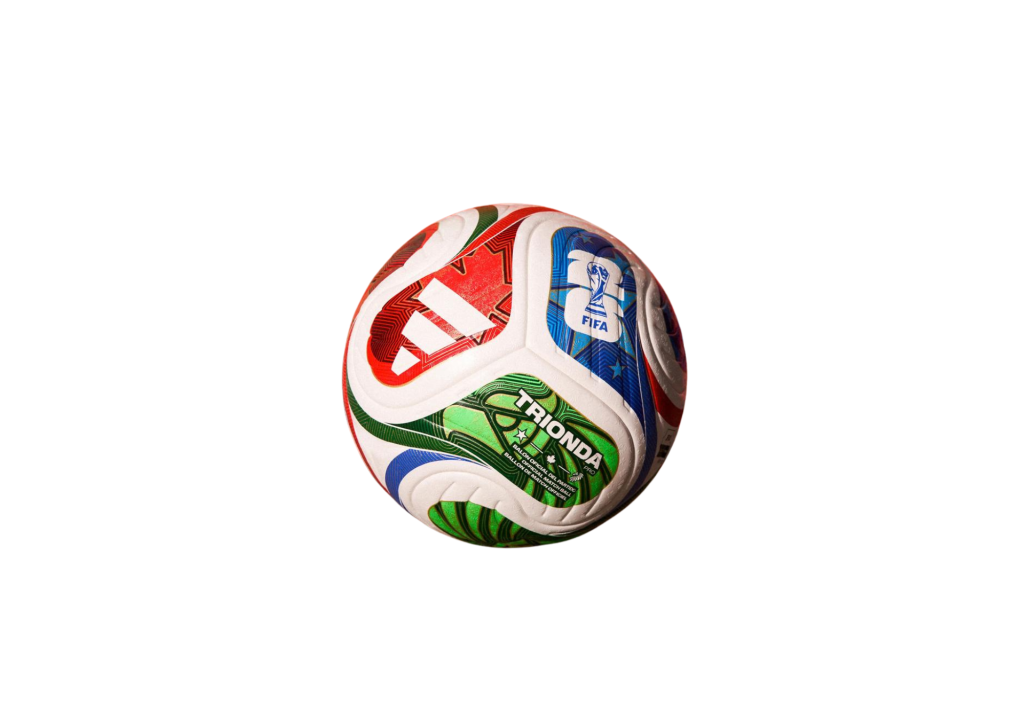
“Trionda” means “three waves” for the three host countries.
It has just four panels, the fewest ever, with vibrant red, green, and blue colours, and wave patterns.
Still paying homage to the host countries, the ball has a maple leaf for Canada, an eagle for Mexico and a star for the United States. The gold embellishments pay tribute to the FIFA World Cup Trophy.

About The Author