


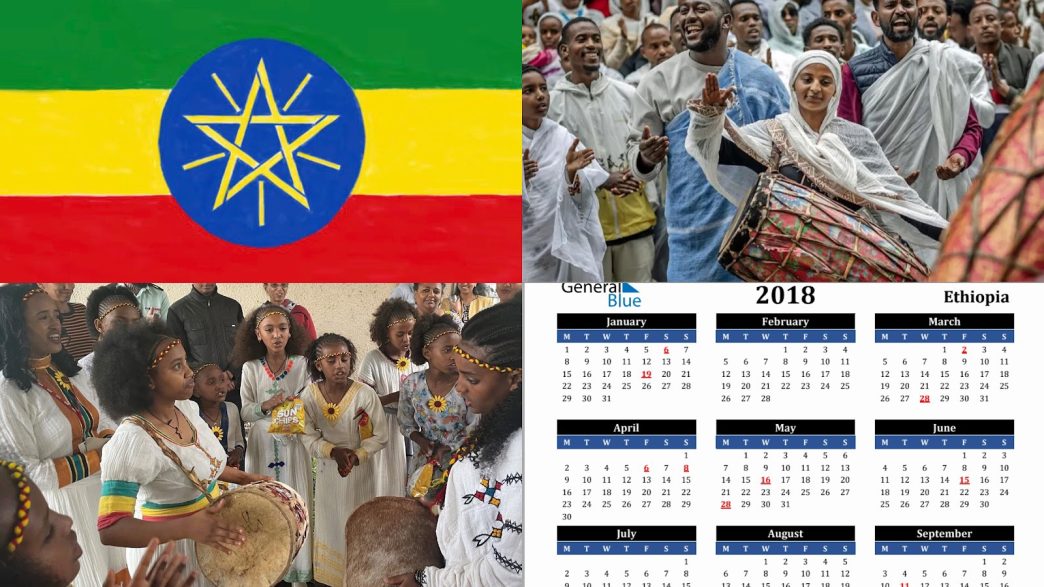
While most of the world launched fireworks to welcome 2026 on January 1, Ethiopia carried on in 2018. This isn’t a glitch; it is the official and proud reality of this East African country. The Ethiopian calendar is still several years behind the Gregorian calendar.
The discovery recently went viral after American streamer iShowSpeed visited Ethiopia and appeared genuinely stunned on livestream when locals explained that the country was still in 2018. His confusion mirrored that of millions online who suddenly realised one country wasn’t “behind time,” just running on a different one.
ALSO READ: iShowSpeed Africa Tour: Swimming with Sharks and Racing Cheetahs! What’s Next? 
Ethiopian Calendar: The One the World Didn’t Adopt
Most countries follow the Gregorian calendar, introduced in 1582 and built around 12 uneven months starting in January. Ethiopia never made that switch. Instead, it follows the Geʽez (Ethiopian) calendar. This is a solar calendar with ancient roots tied to the Coptic calendar of Egypt.
The result is a system that runs about seven to eight years behind the Gregorian calendar. Ethiopia actually entered 2018 in September 2025, because its New Year doesn’t begin in January.
More so, the Ethiopian calendar doesn’t just disagree with the year. It also doesn’t stop at twelve months. It has 13 months in total. Twelve of them have exactly 30 days, while the final month, Pagume, has five days (or six in a leap year).
Why the Years Don’t Match
The year gap traces back to how the birth of Jesus Christ was calculated. When Europe revised its dating system in the 16th century using the calculations of monk Dionysius Exiguus, Ethiopian and Coptic churches stuck with older Alexandrian calculations. That single disagreement created a multi-century time gap that still exists today.
Meanwhile, the Ethiopian calendar isn’t ceremonial or cultural window dressing. It’s used everywhere, in courts, banks, schools, government offices, contracts, and daily life. Ethiopians effortlessly switch between calendars, often using Ethiopian dates locally and Gregorian dates when speaking English or dealing internationally.
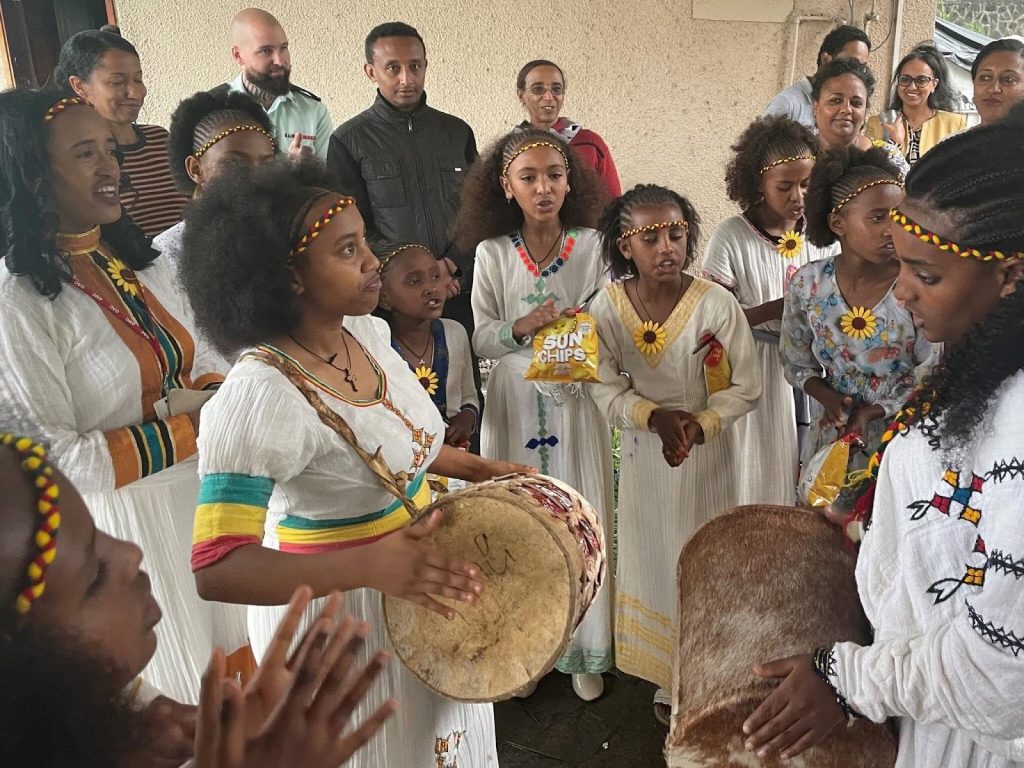
So, Ethiopia celebrates the New Year, known as Enkutatash, in September. It marks the end of the rainy season and the start of spring, complete with flowers, coffee ceremonies, music, and family gatherings.
About The Author