




A Brazilian influencer, Bianca Barreto, has recently received a two-year prison sentence. The court sentenced her for referring to transgender politician Duda Salabert as a man.
She will serve her sentence under an open regime, which is comparable to restricted house arrest with regular check-ins. In addition, Barreto was ordered to pay an estimated $3,800 in damages. The ruling came from the 9th Criminal Court of Salvador on July 29, 2026.
The case came from a 2024 video on social media where Barreto discussed an earlier controversy involving conservative lawmaker Nikolas Ferreira. 
SEE ALSO: Nigerian Student Jailed for Three Years After Trying to Meet “14-Year-Old” for Sex
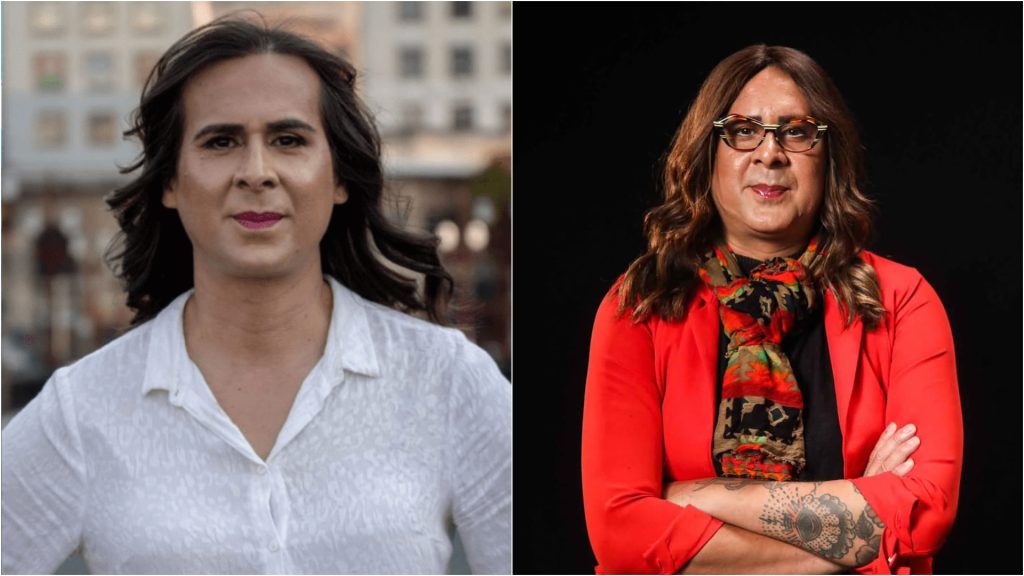
Gazeta do Povo reports that Ferreira had publicly stated that Salabert is a man biologically and on his birth certificate. In 2022, he won election as one of the first openly transgender politicians to serve in Brazil’s Chamber of Deputies. He had pursued legal action against Ferreira under Brazil’s “social racism” framework. That framework arises from a 2019 Supreme Court decision that decided that treating transgender people the wrong way, like using the wrong pronouns, can be the same as racism. Hence, it is punishable by law.
Bianca Barreto used male pronouns to refer to Salabert in her video while criticising the idea that the law could treat statements about biological sex as a crime. She framed it as political commentary and an assertion of reality, saying, “a man is a man, a woman is a woman.”
SEE ALSO: How Nigerians’ Assumptions About Celebrity Sexuality Expose a Deeper Bias
Salabert filed a criminal complaint against her. The court rejected Barreto’s free-speech and religious-conscience defenses. The judge ruled that deliberately using biological sex pronouns to “ridicule and disqualify” a self-declared gender identity amounts to marginalization. He also held that such use violates personality rights and human dignity.
Barreto’s legal team has announced an appeal. It is arguing the decision conflicts with constitutional guarantees of freedom of expression, conscience, belief, and religious manifestation.
Women’s rights advocates, including Clarice Saadi of the Brazilian group MATRIA, spoke in support. They have criticised the outcome as part of a broader pattern. They argue that the state compels people to use language that denies biological sex under the threat of criminal penalties.

About The Author