
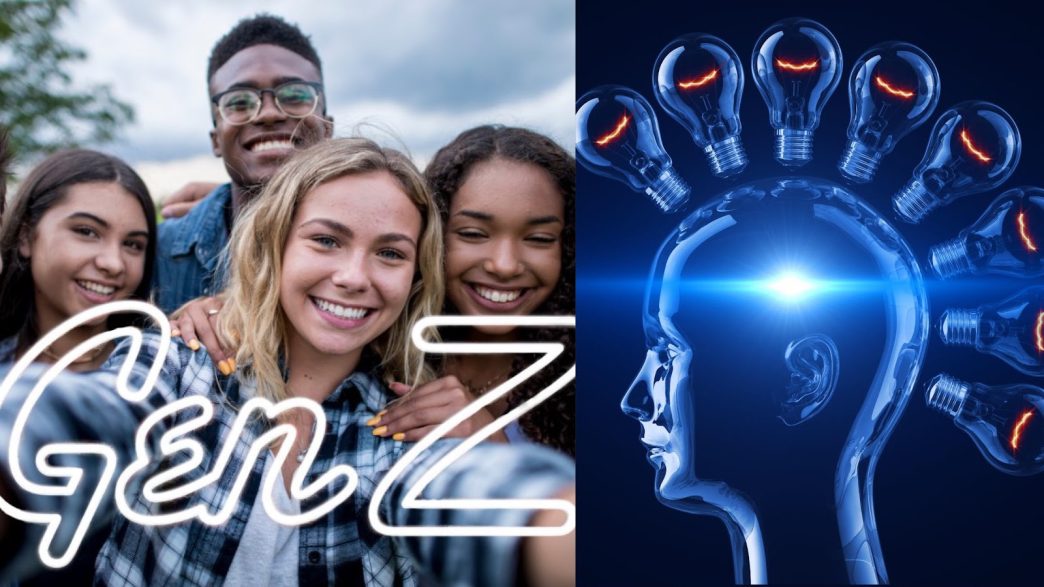
For the first time in over 100 years of cognitive testing and research, there might be trouble. Scientists have reasons to ask the question, “Are Gen Zs dumber than Millennials?” This question comes after research shows Gen Zs scoring lower on fundamental measures of intelligence than the Millennial generation that preceded it.
READ ALSO: In 2025, 7 Gen Z Slangs Were Popular – Here Are Their Meanings
Why Are Gen Zs Dumber Than Millennials?
According to cognitive neuroscientist Dr Jared Cooney Horvath, Gen Z (those born from the mid-1990s to early 2010s) show declines in attention span, memory, reading, math skills, problem-solving ability, and IQ compared with Millennials. 

Horvath told the U.S. Senate that although Gen Z has more formal schooling than earlier generations, their cognitive development began to dip sharply around 2010. This drop coincides with the widespread introduction of digital devices and “educational technology” in classrooms.
“More than half of the time a teenager is awake, half of it is spent staring at a screen,” Horvath said. He argued that human brains are biologically wired for face-to-face learning and deep study, not constant screen interaction.
These studies spanned over 80 countries. Findings show that as digital technology becomes embedded in education systems, cognitive performance tends to fall. This global pattern was mostly observed in both the United States and Europe.
Others Disagree While Denmark Takes Action
Not everyone agrees that Gen Zs are simply “dumber”. Some experts insist that younger generations develop different skill sets. But the data point to real declines in core outcomes tied to automated learning, screen multitasking, and reduced attention spans.
While the argument continues, one country is taking action. In Denmark, educators have largely removed screens (tablets, laptops, and smartphones) from regular classroom use. They’ve now returned to textbooks, paper exercises, and teacher-led instruction.
Early reports suggest improvements in focus, comprehension, and student well-being. The Scandinavian nation has also introduced initiatives like ‘No Phone Days’ and limits on social media for children as part of an attempt to protect cognitive health.
Whether Gen Z’s differences reflect adaptation or decline, this discovery shows how technology, education, and human development work in the digital age. Do they really mix well?
About The Author