


This is the modern dating experience in Africa and more specifically Nigeria. Not candlelit dinners. Not love at first sight. Paywalls, fake profiles, men asking for nudes and woman asking for money before they ask for your name.
Dating apps promised to revolutionise romance. Swipe. Match. Fall in love. Simple. But the reality feels different. The developers seem less interested in your love life and more interested in your subscription fee.
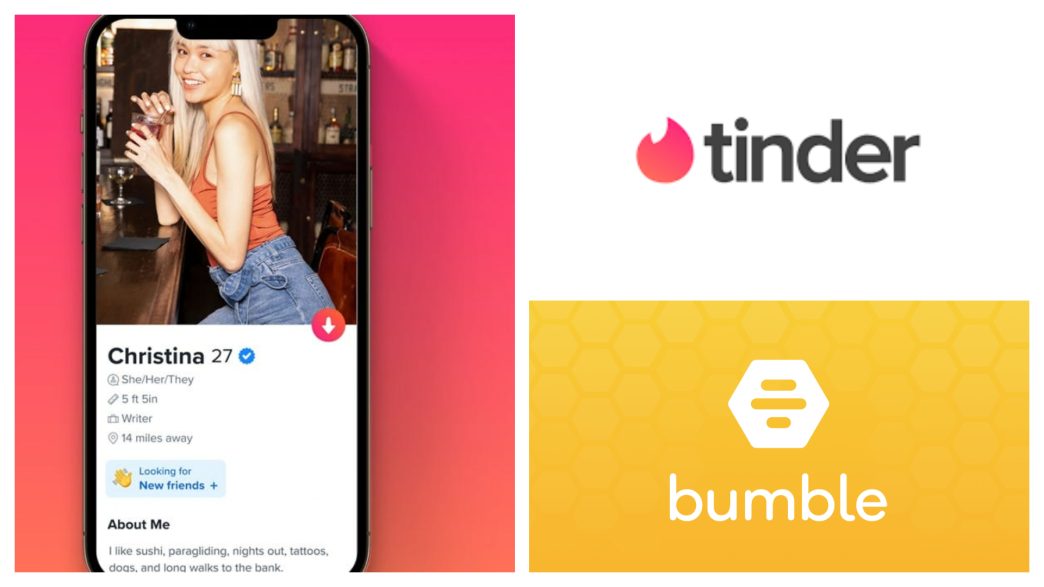
According to Business of Apps, over 350 million people use dating apps worldwide, with about 23 million paying for premium features. Tinder was the most downloaded app in 2025, followed by Bumble. There is no data on how many Africans or Nigerians are on dating apps. According to Appfigures, Blackstone Group, IAC, Spark Networks, and Toptal, dating apps made $6 billion in 2025. 
Bumble, Tinder, AfroIntroductions, and a host of others operate on the same model. Basic features are free. Seeing who liked you? Pay. Sending a super swipe? Pay. Knowing if someone read your message? Pay.
It feels less like a dating service and more like a casino for lonely people. You keep paying. You keep swiping. The house always wins.
To understand what is really happening, I spoke with a few Nigerians who have spent time on these apps. Their experiences tell a familiar story.
Tolu, 26, Lagos: “Speaking with men is exhausting”

Tolu downloaded Bumble. She was bored. Her expectations were low from the start. Tolu did not mind the paywall as much as she minded the men. She found profiles with unrealistic demands that made her laugh and cringe in equal measure.
“Some men’s profiles under what they wanted in a woman were so unrealistic and sometimes weird,” she said. “What do you mean you want a petite woman with small breasts and a big bum and you also want her to be a gym bro?”
Then there were the self-proclaimed sapiosexuals. Men who claim to be attracted to intelligence.
“One minute into the conversation you are saying ‘wyd’, ‘wyll’, ‘when should we meet’, ‘hope you’d stay over.’ Lmao.”
- What came out of it: Nothing. Tolu was not looking for anything serious. She had low expectations, so she did not pursue anything. A conversation here and there. Then silence. “After the first text, we don’t speak anymore,” she said. “Speaking with men is exhausting.”
- The weird moments: The jump was always fast. Send one text, then the requests came flooding in. Snapchat. Instagram. Then the questions: where do you stay, let’s go out for late-night drinks, late-night movies, Netflix and chill, come over I will cook for you.
Tolu tells men she likes men who cook. They use that as an invitation.
“Every arrangement to meet is either late nights or at their house or something else that will cajole you into spending the night with them.”
She saw the pattern clearly. These men were not looking for love. They were looking for convenience.
Tolu’s story is not unusual. Bumble’s premium features include seeing who liked you before you swipe, extending matches beyond 24 hours, and using advanced filters. These features cost money. But even when you pay, you cannot filter out men who will ask you to “come over” within five minutes of matching.
Deji, 28, Abuja: “It was mostly for fun”
Deji used Tinder. This was around 2023. He admitted he was mostly bored. Deji did not complain about the paywall. His frustration was with the people. Most matches wanted one thing. Not love. Not conversation. Sex chat. Video calls of a certain nature.
“I met a few people. The majority wanted to have sex chat and video calls. Nothing serious came out of it. It was just horny people who just want to meet up for a fuck or sex chat.”
He ended up meeting none of them.
- What came out of it: Deji is honest about what Tinder is. He does not pretend it is a dating app. “I ended up not meeting any of them and it was probably for the best,” he said.
- The weird moments: Many people asked for nudes. Some asked for money. Deji did not seem surprised or offended. He accepted it as the reality of the platform.
“A few people asked for money shaa and I don’t think it’s that serious. At the end of the day, it’s more of a hook-up site or app than a dating app. Few people are there for actual dating.”
Tinder’s premium features include unlimited likes, a passport to swipe anywhere in the world, and seeing who likes you. These features cost money. They do not, however, filter out the people asking for nudes before learning your last name.
Deji’s conclusion is brutal and honest. Tinder is not a dating app. It is a hook-up site. Love is not the product being sold. Access is.
The Cash Grab Question
Both Tolu and Deji used different apps. Bumble positions itself as the more serious, women-first dating app. Tinder is the wild west of casual encounters. The experiences were different in tone but similar in outcome.
Neither found love. Both encountered people who wanted sex, not connection. Both described the experience as exhausting or unserious.
The apps themselves profit from this dynamic. You pay to see who likes you. You pay to increase your chances. You pay because somewhere in your mind, you believe the next swipe could be the one.
Developers know this. They design the apps to keep you swiping, not to get you off the app. A user who finds love cancels their subscription. A user who stays single and frustrated keeps paying. This is the business model. It is not a bug; it is a feature.
Tolu noticed something else about the apps. Many profiles felt fake. Some were clearly bots designed to keep you engaged. The apps have little incentive to remove them. More profiles, even fake ones, mean more swipes, more matches, and more reasons to subscribe.
Deji pointed out something else entirely. He said the apps are not designed for love. They are designed for hook-ups. The people using them reflect that reality. When everyone on the app is looking for something casual, the few people looking for something serious are swimming against the current.
Is Love Even the Goal?
The original promise of dating apps was beautiful. Technology would bring people together. Algorithms would find your perfect match. You would swipe, meet, fall in love, and delete the app forever.
That is not what happened.
What happened was enshittification—a term coined by writer Cory Doctorow to describe how platforms start good, then become bad for users, then become bad for everyone except the shareholders.
Dating apps started as a way to meet people. Then they added paywalls. Then they added premium tiers. Then they added super likes and boosts and spotlights and all the other micro-transactions that turn desperation into revenue.
The apps do not want you to find love. They want you to keep paying.
Tolu is still single. Deji is still single. They are not alone. Millions of Nigerians are swiping, matching, and subscribing. The apps are making money. The users are making excuses.
“Maybe I am not swiping right enough.” “Maybe I should pay for the premium tier.” “Maybe next month will be different.”
It will not be different. The apps are designed to make sure of it.
SEE ALSO: Never Date A Divorced Man: I Did, and Here’s What Happened to Me
The Bottom Line
Dating apps can work. Some people do find love. Some people do meet their spouses on Tinder, Bumble, and Hinge. But those people are the exceptions. They are not the product. The product is everyone else.
The product is the person who pays for premium because they want to see who liked them. The product is the person who buys boosts because their profile is not getting enough views. The product is the person who stays up late swiping because they believe the next match could be the one.
Developers are not evil. They are just running a business. And the business of loneliness is very profitable.
Tolu put it best: “Speaking with men is exhausting.” She meant the conversations. She could have been talking about the apps themselves. Swipe. Match. Pay. Repeat. Exhausting.
Until the business model changes, until developers prioritise outcomes over engagement, the cash grab will continue.
Love is not behind a paywall. Desperation is. And the apps know exactly which one you are buying.

About The Author