




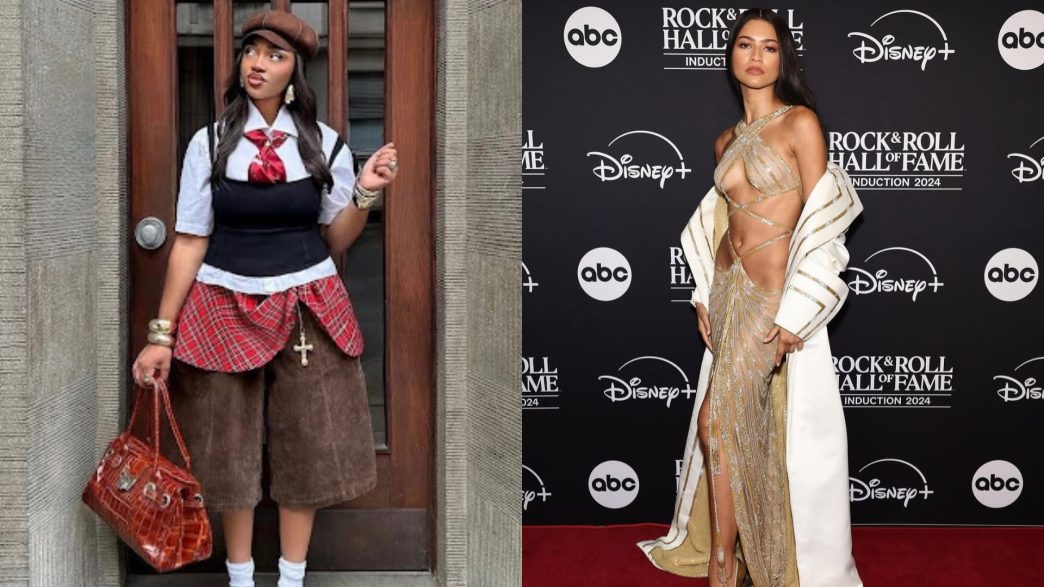
It started, as many cultural debates now do, on Nigerian Twitter. A student jokingly described a girl in her school as an alté baddie, laughing at her outfits while still admiring her confidence.
The tweet was light-hearted, but the girl in question clarified that her style wasn’t alté at all; it was archive core.
Thank you Meenah but my style of dressing is called Archive Core ❤️ https://t.co/jfQS9s2vug
— Adejare❤️ (@GaniyatToluwal9) January 25, 2026
Archive core ke? Which one is archive core when we haven’t finished understanding alté fashion? Some people even called it madness.
I guess it’s only madness when you don’t understand it. So, let’s break it down for you. Although alté fashion and archive core can sometimes look similar on the surface, they come from very different places and mean very different things.
ALSO READ: See the Best Fashion from African Celebs at ‘Bridgerton’ Premiere in South Africa
What Is Archive Core Fashion?
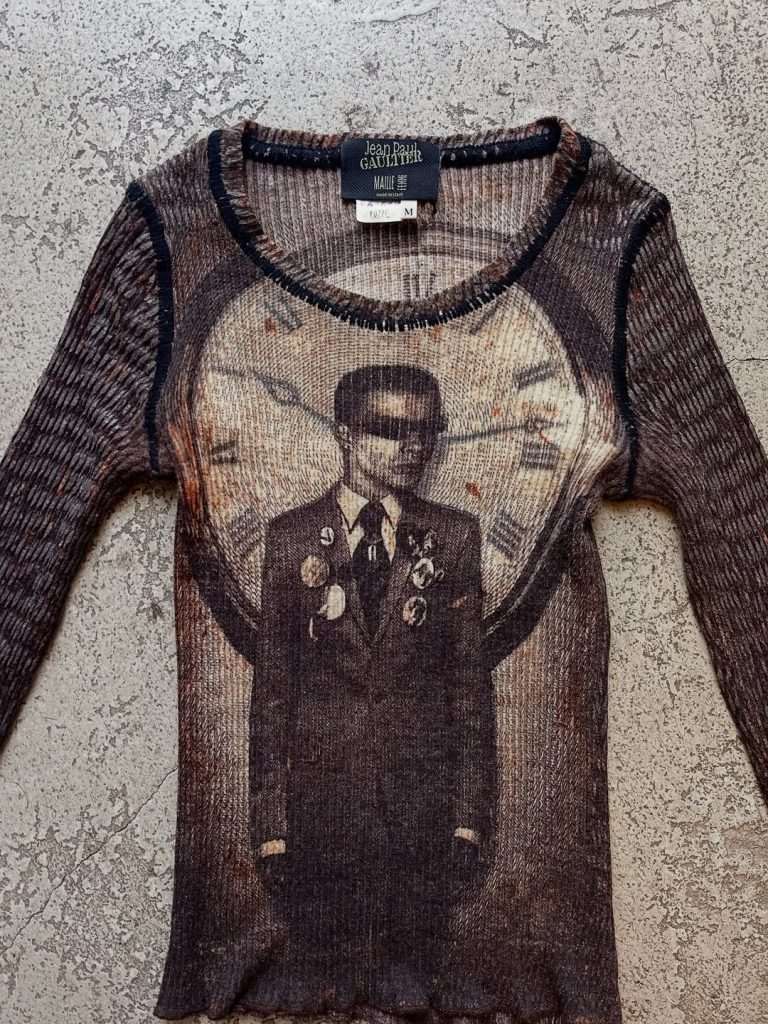
Archive core, also known as archival fashion, is rooted in history, preservation, and intention. It is about collecting, wearing, and appreciating garments from specific, meaningful moments in fashion history.
So it’s not just old clothes or random vintage finds; archive pieces are usually pulled from past designer collections that shaped fashion in a lasting way.
We’re talking outfits you could see in a museum, a runway archive, or a fashion textbook and still feel inspired by today.
Archive fashion grew out of the thought that designers, stylists, and enthusiasts began treating clothing as artefacts, not trends. Over time, this mindset filtered into street style, especially as people grew tired of fast fashion and disposable clothing.
Designers often referenced in archive core circles include
- Rick Owens (known for dark, sculptural silhouettes)
- Maison Margiela (especially its deconstructed early eras)
- Undercover (notably the 90s and Scab collections)
- Number (N)ine, particularly the influential FW09 collection
What Makes a Piece “Archive-Worthy”?
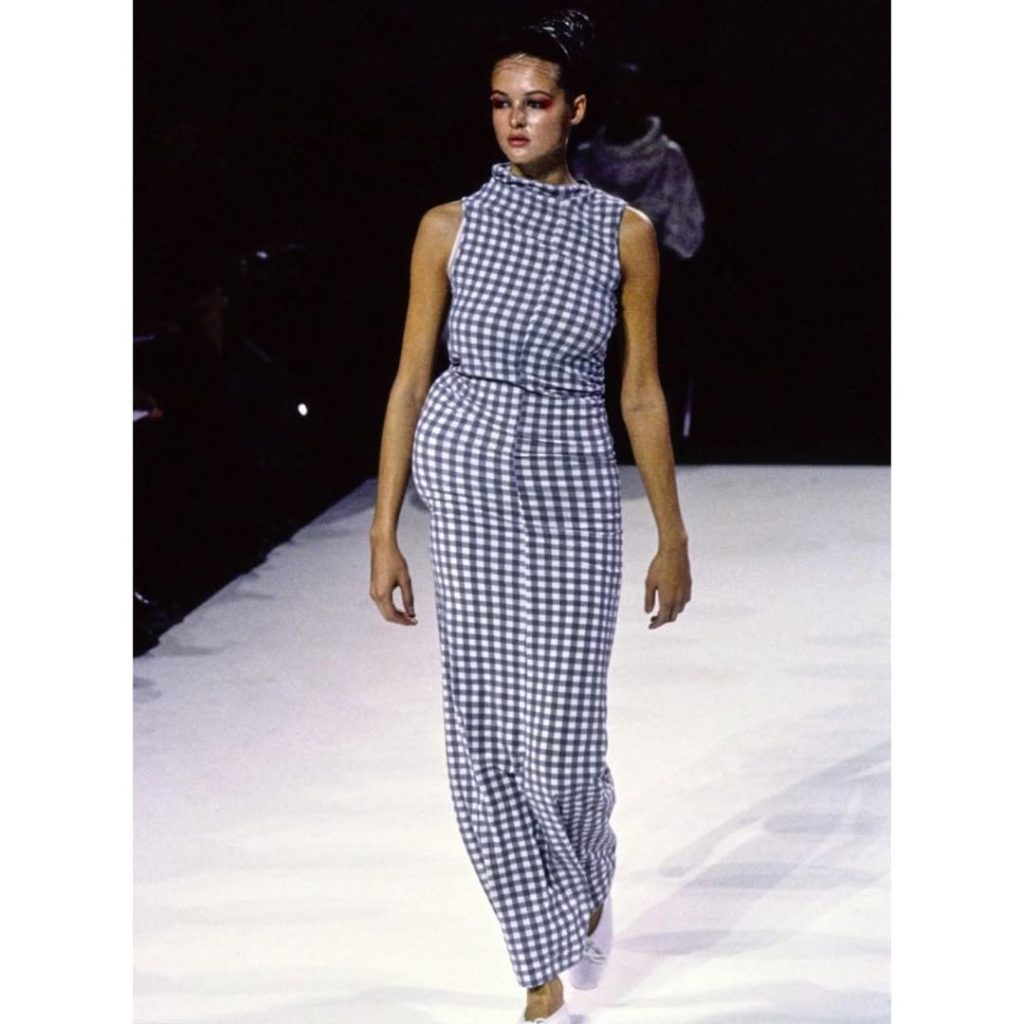
Not every old designer item qualifies. A garment becomes archive-worthy if it is:
- Era-defining—tied to a specific creative or cultural moment
- Innovative—introducing new ideas, materials, or silhouettes
- Rare or limited—not mass-produced
- Culturally significant – symbolising rebellion, change, or identity
- Documented—seen on runways, campaigns, or official brand archives
In short, archive fashion is about storytelling. Every piece carries a narrative about the time it was made, the ideas behind it, or the people who wore it.
YOU MIGHT LIKE: 13 African Fashion Influencers You Should Follow Right Now
What Is Alté Fashion?
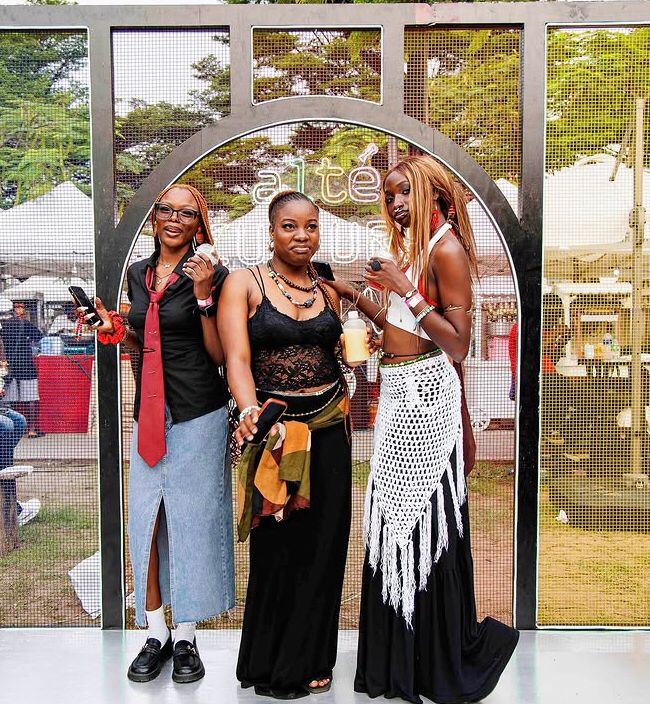
Alté, short for alternative is a very different story.
Alté fashion is a youth-led Nigerian movement that prioritises freedom of expression over rules, respectability, or tradition.
The term “alté” gained popularity in the early 2010s, coined by the music collective DRB LasGidi. It emerged alongside the alté music scene, where artists like Santi, Odunsi (The Engine), and later Tems rejected mainstream Afrobeats in favour of alternative sounds and aesthetics.
However, the roots go further back. Cultural figures like
- Charly Boy in the 1980s, with punk-inspired rebellion
- Denrele Edun in the 2000s, known for gender-bending fashion
- Goldie Harvey whose edgy pop-star style challenged norms
All laid the groundwork long before the term became popular.
What Alté Looks Like

Alté fashion borrows freely from:
- 90s grunge
- Y2K aesthetics
- Streetwear
- Thrifted and DIY pieces
Common elements include oversized clothes, baggy jeans, tiny tops, leather jackets, piercings, dyed hair, corsets, platform boots, and experimental makeup. Importantly, there are no fixed rules. The philosophy is “everything goes.”
Alté also blends global styles with local influences like Ankara or Adire.
Alté pioneer TeeZee once explained that it represents freedom of expression through music, fashion, art, and identity.
In a society that often polices how young people dress, alté becomes a form of resistance. That is why many wearers face stigma, bullying, family pressure, or even harassment.
Despite this, alté culture has gone mainstream.
Archive Core vs Alté: The Key Differences
Although both styles can look unconventional, their foundations are worlds apart.
Archive core is about preservation. It looks backwards to move forward, treating clothes as historical documents and cultural artefacts.
Alté fashion is about rebellion. It lives in the present, breaking rules, mixing influences, and prioritising self-expression over structure.
One is collector-driven and research-heavy. The other is emotional, expressive, and fluid.
Now that the differences are clearer, it’s worth saying that her style leans more towards alté than archive core. While the confidence and creativity are commendable, archive fashion is defined by intentional, historically significant designer pieces or authenticated vintage garments.
In this case, the look appears to be a mix of eclectic, everyday items styled boldly rather than curated archival pieces.
That doesn’t diminish the outfit’s impact, but it does place it firmly within the realm of alté, not archive core.
About The Author