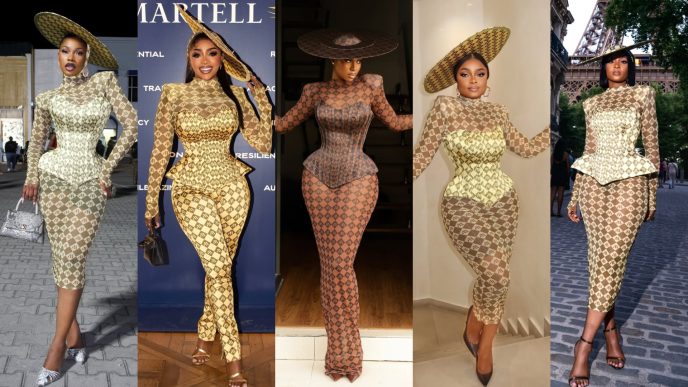
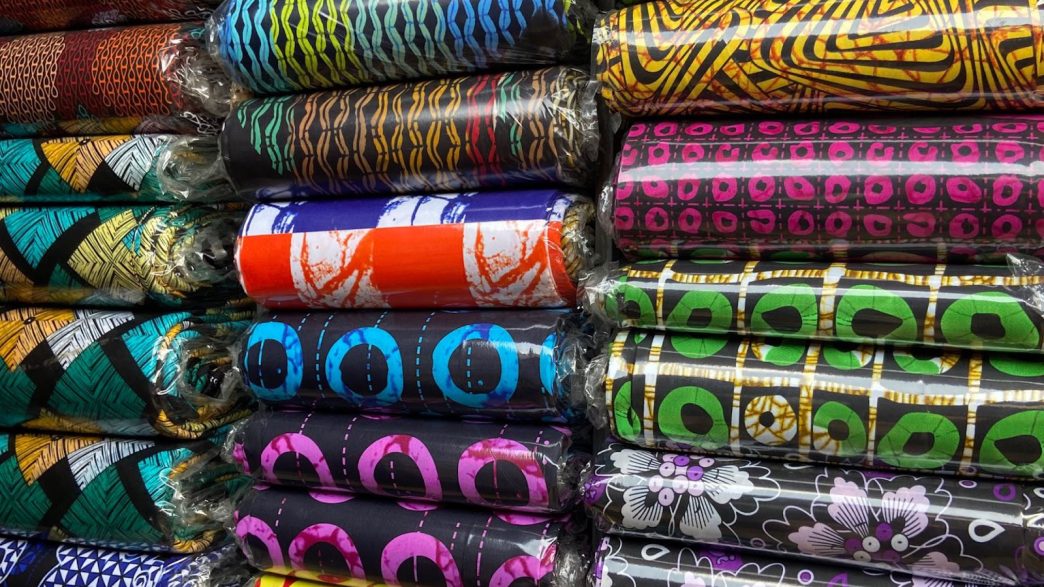
Yellow, Red, Blue, White, and Green. There’s only one place where all these colours mix well and look beautiful, aside from the biblical Joseph’s coat of many colours, and that’s on Ankara fabrics. More so, for many of us, the Ankara fabric origin has to be African.
Nigeria, Ghana, weddings, aso ebi, weekend owambes, and that one auntie who owns every pattern ever printed. But here comes the plot twist! The Ankara fabric origin isn’t African at all.
So where did it come from? Here’s all you need to know. 
What Is Ankara?
Ankara is a 100% cotton wax print, known for bright, bold colours, patterns visible on both sides, a signature crackle effect, and designs packed with meaning. It’s also called African wax print, Dutch wax, or Holland wax, depending on who’s telling the story.
The word “Ankara” comes from the Hausa name for ‘Accra’, and was used by Nigerian tradesmen from the Hausa tribe to refer to Ghana’s capital.
These tradesmen would travel back and forth to Accra to source fabric, since Accra was a central point for the trade of these textiles in West Africa during the 1800s and early 1900s. Notwithstanding Ghanaians calling it “ntoma” (cloth), the name stuck in Nigeria and beyond.
Where is the True Ankara Fabric Origin?
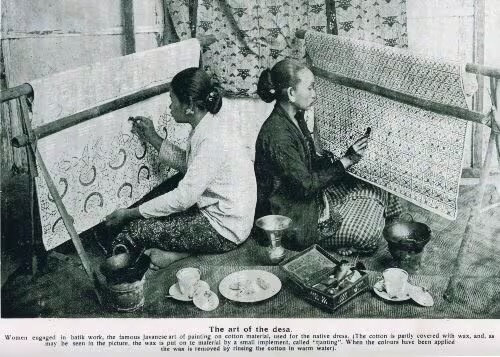
The true Ankara fabric origin story began in Indonesia, not West Africa. The original technique behind Ankara is called batik, a wax-resist dye method perfected in Java, Indonesia, centuries ago. The word comes from the Javanese terms for “writing” and “dot,” which already sounds very exact.
Then, in the 19th century, Dutch colonists saw batik and thought, “This is beautiful, but can we mass-produce it?” (Editorial Note: This isn’t a real quote)
Not until the Industrial Revolution that these Dutch manufacturers mechanise batik using rollers and wax printing, hoping Indonesians would buy the cheaper version. But, they didn’t.
When Indonesia Said No, West Africa Said Yes
The machine-made batik had cracks, bubbles, and imperfections, which left Indonesians unimpressed. West Africans, however, looked at it and said, “This thing has character.” (Editorial Note: Again, this isn’t a real quote. The writer is being overly innovative.)
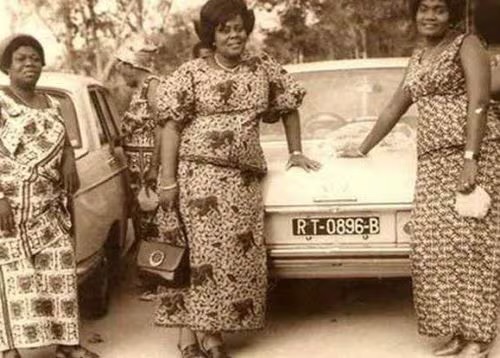
By the late 1800s, Dutch and British traders introduced the fabric to ports in Nigeria, Ghana, Senegal, and Côte d’Ivoire, and it took off immediately. The bold colours felt at home in the continent of colours, the patterns reflected our local tie-dye traditions, and the imperfections became the charm.
READ ALSO: 15 Safest Cities in Africa to Travel to in 2026
Africa Rewrote the Ankara Fabric Origin Story
Once the fabric landed, Africans did what we do best: owned it. The patterns grew bigger with brighter colours, and the designs began to carry meaning. Indonesian motifs like the sacred Garuda bird were reimagined into things Africans recognised, like snails, bananas, and tortoise shells.
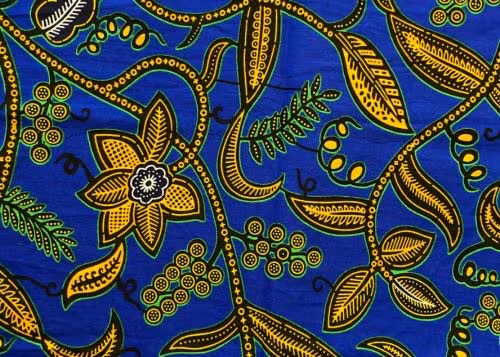
With Africans, the Ankara prints started talking. Some symbolised love, rivalry, money, marriage, power, heartbreak, or social status. Others got names like ‘Jumping Horse’, ‘Love Bomb’, or ‘Rich Today, Poor Tomorrow’. Ankara stopped being fabric and became a conversation.
In Nigeria, especially, Ankara became a cultural glue. Families wear matching prints for weddings and burials, churches, associations, and women’s groups adopt uniforms. During the independence era, leaders encouraged local fabrics as symbols of pride and resistance. What once arrived as an import turned into a piece of identity.
From A Colonial Experiment to The Global Runway
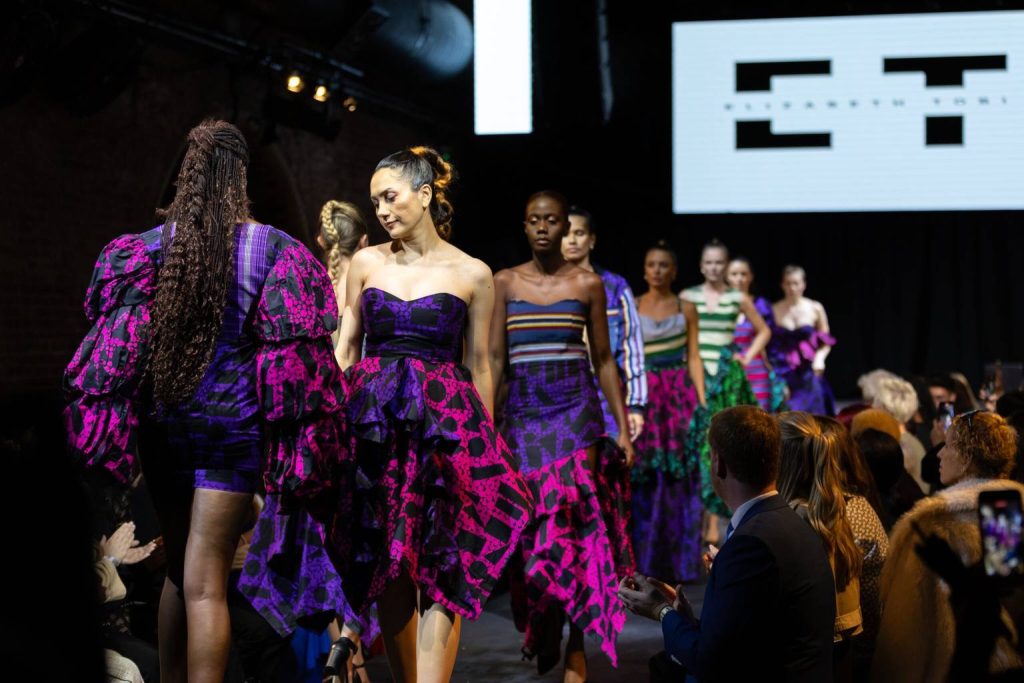
Today, the Ankara fabric is everywhere, from Lagos tailors to London and Paris Fashion Weeks. For a fabric that travelled continents, it now represents home.
While Ankara didn’t originate in Africa, it became African through use, meaning, and storytelling. It’s proof that culture isn’t about where something starts. It’s about who appreciates it and makes it theirs, like Africa transformed the Ankara fabric beautifully.
About The Author

-
Pingback: In Ghana, People MUST Dance at Funerals — Here’s Why - NBG Africa
-
Pingback: The 10 Most Powerful Kings in Ancient Africa - NBG Africa
Keep Up to Date with the Most Important News