


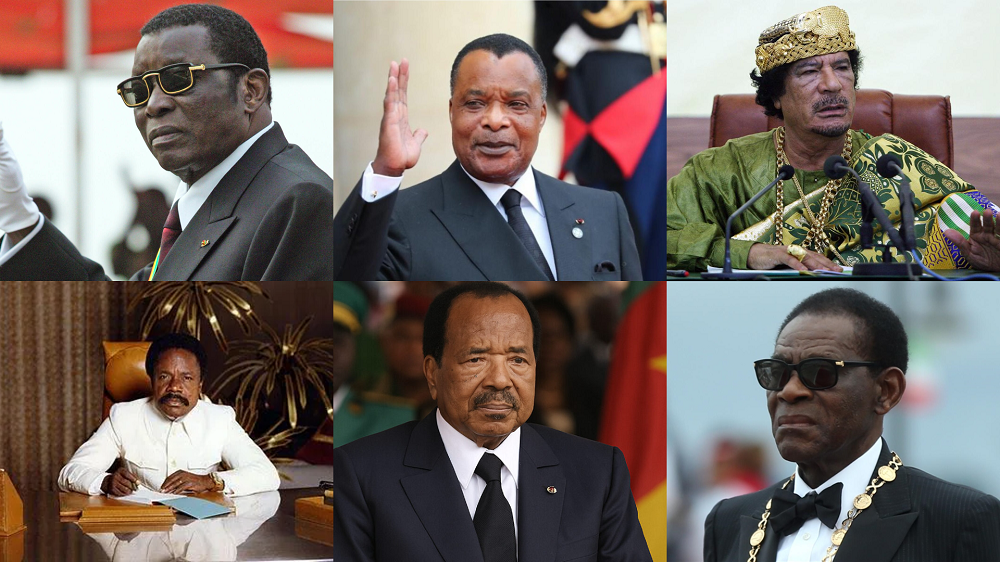
Africa’s political landscape is shaped by leaders who have stayed in power for decades.
Their rule often includes historical coups, constitutional changes, periods of political stability, and, at times, authoritarian practices.
While these leaders argue that continuity ensures stability, critics say prolonged rule comes at the expense of democratic reforms, accountability, and human rights. 
In many of these countries, long-term leadership has sparked generational tensions, especially where young populations make up most citizens and have never experienced a change in leadership.
Below is a look at the longest‑serving presidents in African history.
ALSO READ: 4 Reasons Why Canada Is Deporting Nigerians and Other African Migrants
6 Longest-Serving Presidents in Africa
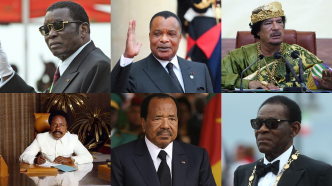
1. Teodoro Obiang Nguema Mbasogo – Equatorial Guinea
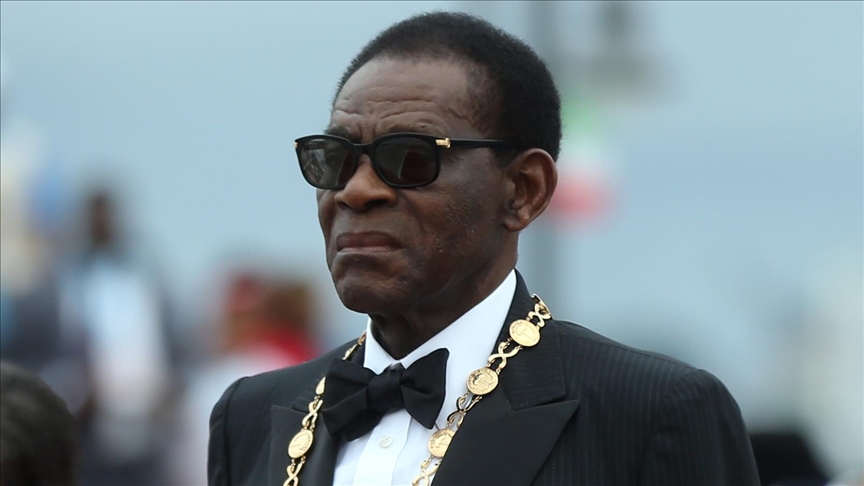
Tenure: 46 years (1979–present)
Teodoro Obiang is Africa’s longest‑serving president and one of the world’s longest-serving heads of state.
He took power in August 1979 by overthrowing his uncle, Francisco Macías Nguema, in a coup. Since then, he has stayed in power through constitutional changes, tightly controlled elections, and a dominant ruling party.
His government controls Equatorial Guinea’s oil wealth, but ordinary citizens see few benefits, and human rights organisations frequently criticise his administration.
2. Paul Biya – Cameroon
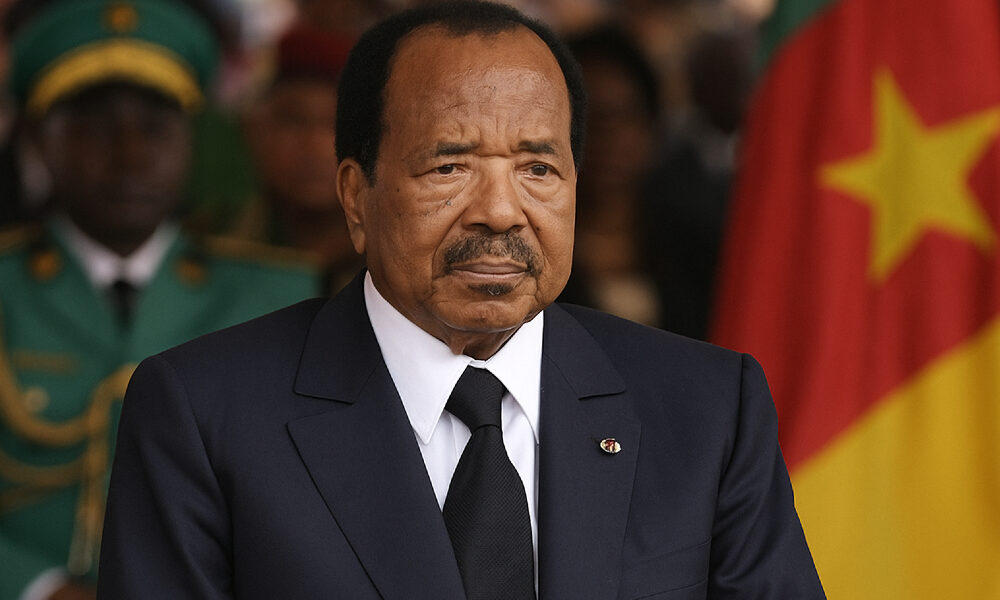
Tenure: 43+ years (1982–present)
Paul Biya has led Cameroon since November 1982 and is Africa’s oldest serving non-royal head of state.
During his time in office, he changed the constitution in his favour by removing presidential term limits which allowed him to run for the presidency indefinitely.
Opposition groups have long accused his government of manipulating elections and repressing critics. In October 2025, Biya won his eighth presidential term, extending his long hold on power.
3. Omar Bongo Ondimba – Gabon
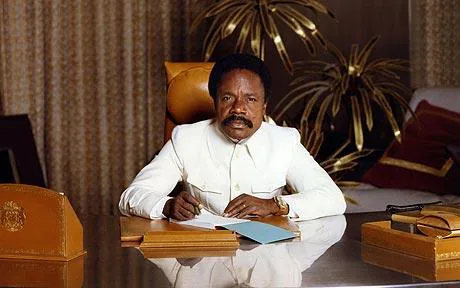
Tenure: 42 years (1967–2009)
Omar Bongo ruled Gabon for about 42 years, from 1967 until his death in 2009, making him one of Africa’s longest-serving leaders.
He took power shortly after Gabon gained independence and built a close relationship with France, the former colonial power.
After his death, his son Ali Bongo Ondimba continued the family’s position until a 2023 coup ended the Bongo era and brought a new leader to power.
YOU MIGHT LIKE: Africa’s Most Awarded Artists of 2025: See Who Tops The List
4. Muammar Gaddafi – Libya
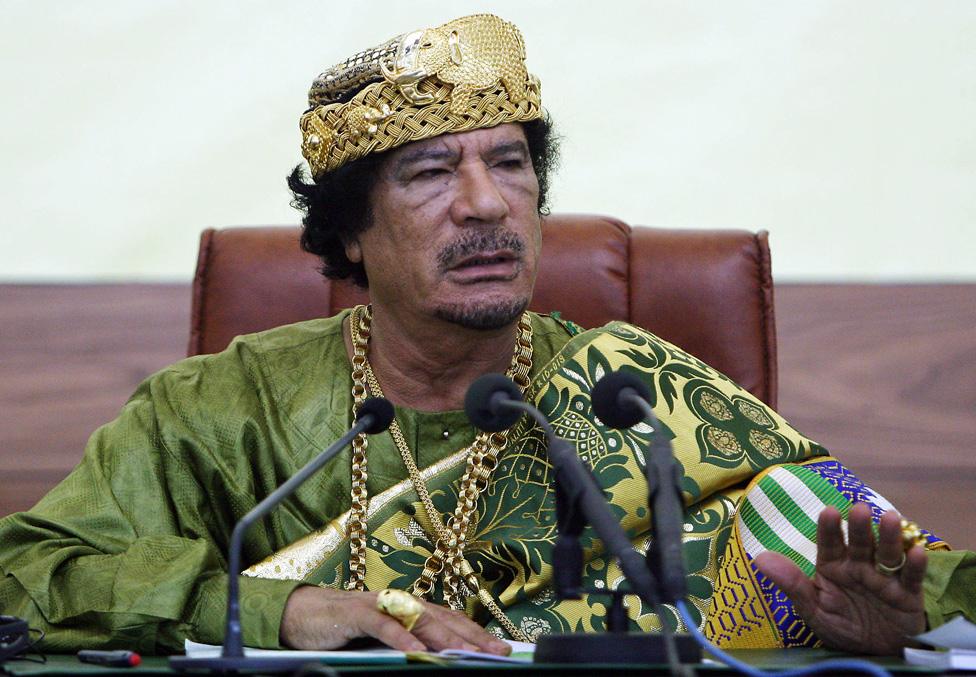
Tenure: 42 years (1969–2011)
Muammar Gaddafi ruled Libya, in North Africa, for over four decades, and his leadership remains one of the continent’s most iconic and controversial.
He seized power in September 1969 and reshaped Libya’s political and economic systems under his Third International Theory. His rule ended in 2011 during a popular uprising supported by NATO intervention.
5. Denis Sassou Nguesso – Republic of the Congo
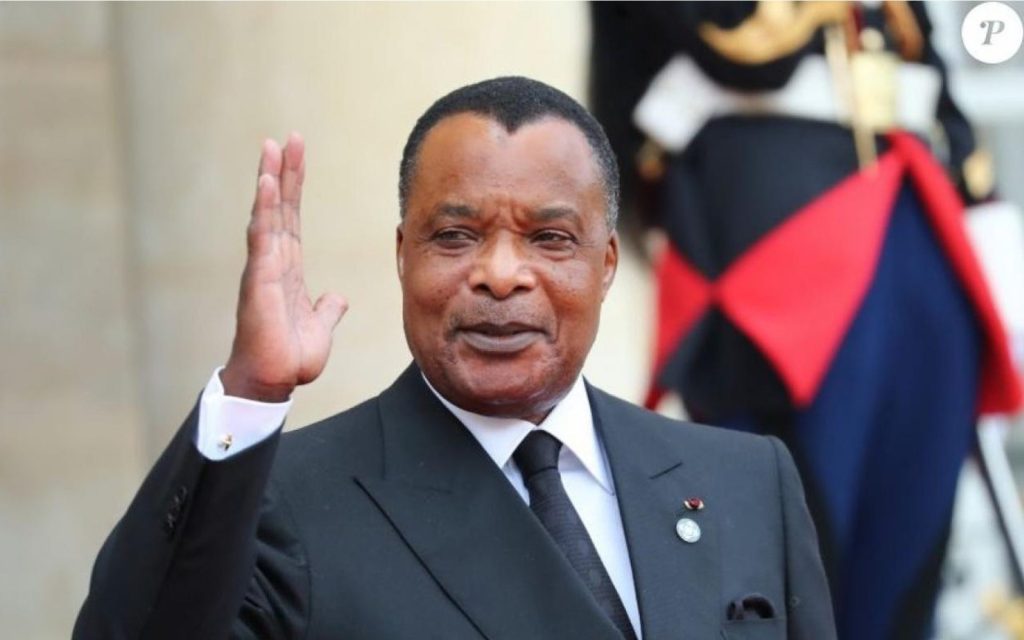
Tenure: 40+ years (1979–1992; 1997–present)
Denis Sassou Nguesso has ruled the Republic of the Congo in two separate periods.
He first led from 1979 to 1992, then returned to power in 1997 after a civil war and remains president today.
He has stayed in power through constitutional changes and tight control of political institutions, making his total time in office one of Africa’s longest.
6. Gnassingbé Eyadéma – Togo
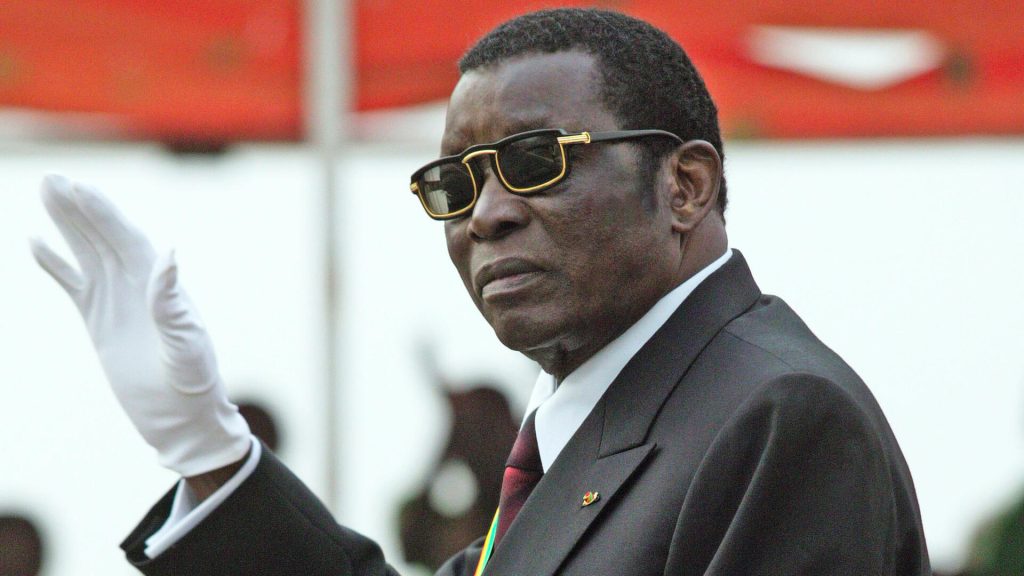
Tenure: 38 years (1967–2005)
Gnassingbé Eyadéma ruled Togo for nearly four decades, from 1967 until his death in 2005. His presidency was marked by a strong cult of personality and a tightly controlled political landscape.
After his death, his son Faure Gnassingbé succeeded him, continuing the family’s political dominance.
Quick Facts
Leaders who died in office: Omar Bongo, Muammar Gaddafi, Gnassingbé Eyadéma
Longest still in power: Teodoro Obiang (Equatorial Guinea)
Oldest serving leader: Paul Biya (Cameroon)
About The Author