


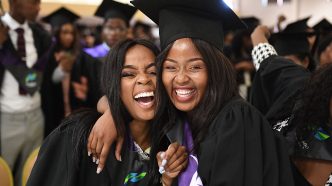
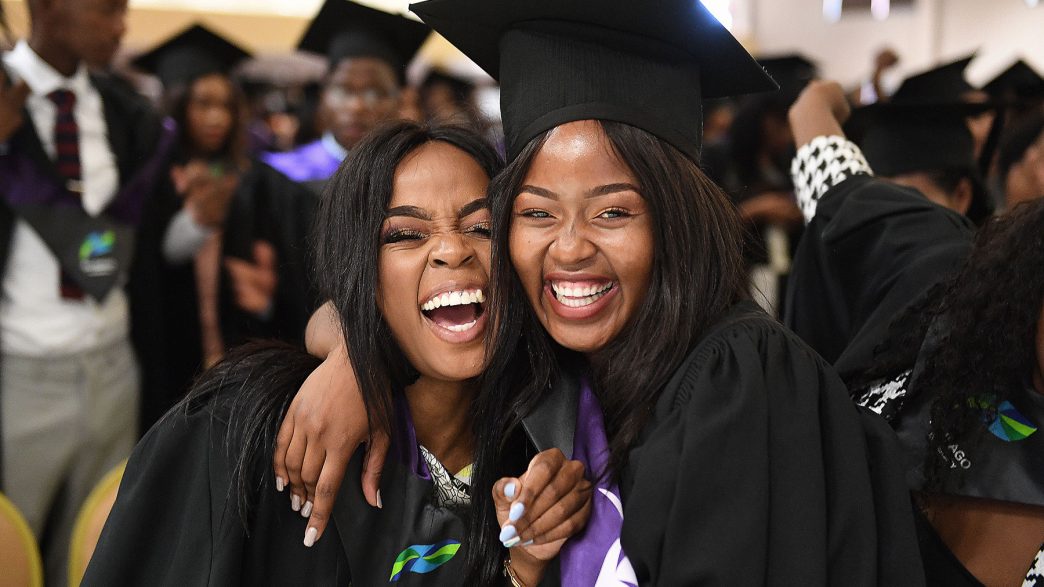
Imagine being paid $154 every month simply for going to the university. This is not a fantasy. It is happening in Africa, specifically Botswana.
What makes this story even more striking is Botswana’s past.
How Botswana Went From Poor To Prosperous
When the country gained independence from Britain in 1966, it was the third poorest country in the world. They had no infrastructure and very few good roads. 
There was hardly any formal education in the country at the time. Botswana had only 22 university graduates and about 100 secondary school graduates in the whole country!
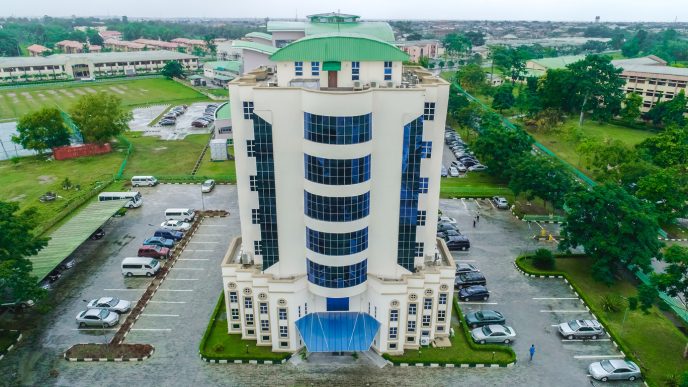
Each family in Botswana had to donate to build the 1st university in the country. They donated a cow each, and the collective was sold as meat to the European Union, and the money was used to build a university in 1976.
Then they discovered diamonds, and instead of allowing corruption or foreign interests to drain the wealth, Botswana’s first president, Sir Seretse Khama, made an important decision.
ALSO READ: Why Everyone Is Rushing To Visit This West African Country
He ensured that diamond revenues were reinvested directly into the country into roads, hospitals, schools, and public institutions.
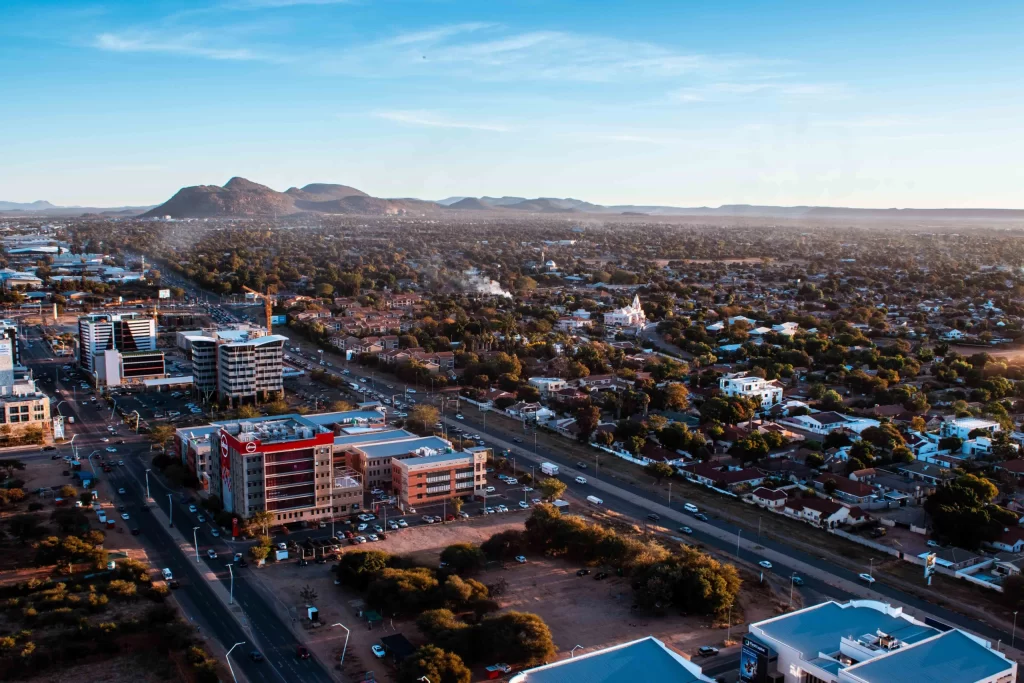
Between 1960 and 1980, Botswana recorded the fastest-growing economy in the world, driven mainly by mining. Today, diamonds still account for about 40 percent of GDP and 90 percent of exports.
Pat Dambe, vice president of market outreach at De Beers Group (the world’s leading diamond company), puts it this way:
“Our culture in Botswana is about ubuntu—we share everything. Without diamonds, we wouldn’t have a country.”
She credits the wealth from diamonds for creating a society where education is normal, accessible, and valued.
“The average person has a good education, a middle-class existence, and thinks about their children going to school. That’s very much a result of diamonds and the community environment they’ve created.”
Why Botswana Pays Students To Study
In Botswana, education is seen as a national responsibility.
By paying students a monthly allowance of about $154, the government ensures that young people can focus on learning instead of worrying about rent, food, or books.
The policy also encourages higher enrolment in technical and vocational education, helping to build skilled workers for the economy.
DID YOU MISS: Archive Core or Alté—What’s The Difference?
Their logic is to train citizens first, then build the nation with them.
Aside from the diamonds, Botswana is Africa’s longest continuous democracy, with no history of military coups.
This is important because while other African countries were expending time and resources quelling “fires” here and there, Botswana had peace of mind.
Their political stability allowed the government to plan long-term and protect public resources.
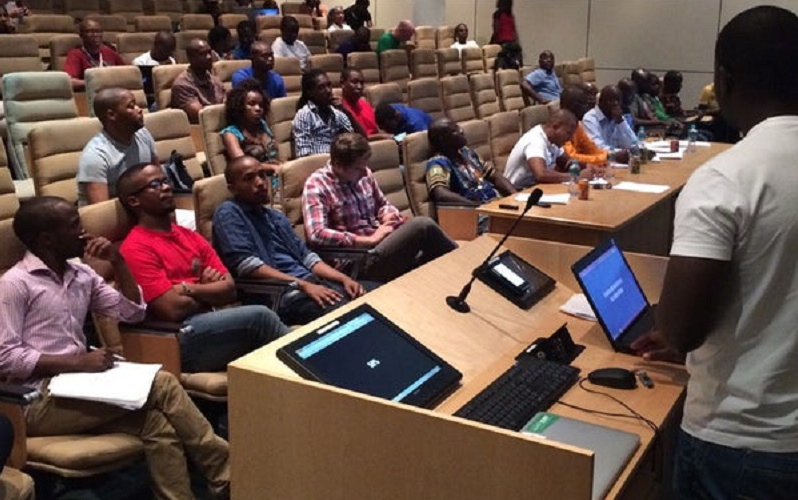
It made it possible to fund key social services like:
- University students receive monthly allowances to support their studies
- Education is free, from primary to secondary school
- Healthcare is free and subsidised by the government
Tertiary students receive government sponsorship that covers tuition and includes a monthly stipend of about $130 to $180 for living expenses and books. For vocational and technical students, the allowance ranges from P1,500 to P1,900 per month.
Note that this money is not a loan. The students do not repay it. It is the government investing directly in its future workforce.
Botswana’s journey shows what is possible when leadership, resources, and values align. Paying students to go to university may sound unusual, but in Botswana, it has helped create an educated population, a stable democracy, and a strong middle class.
About The Author