



Ethiopia is set to begin printing its currency locally for the first time, marking a major shift away from dependence on foreign firms. While this may sound routine, it is actually a big deal because Ethiopia is about to join a very small club in Africa.
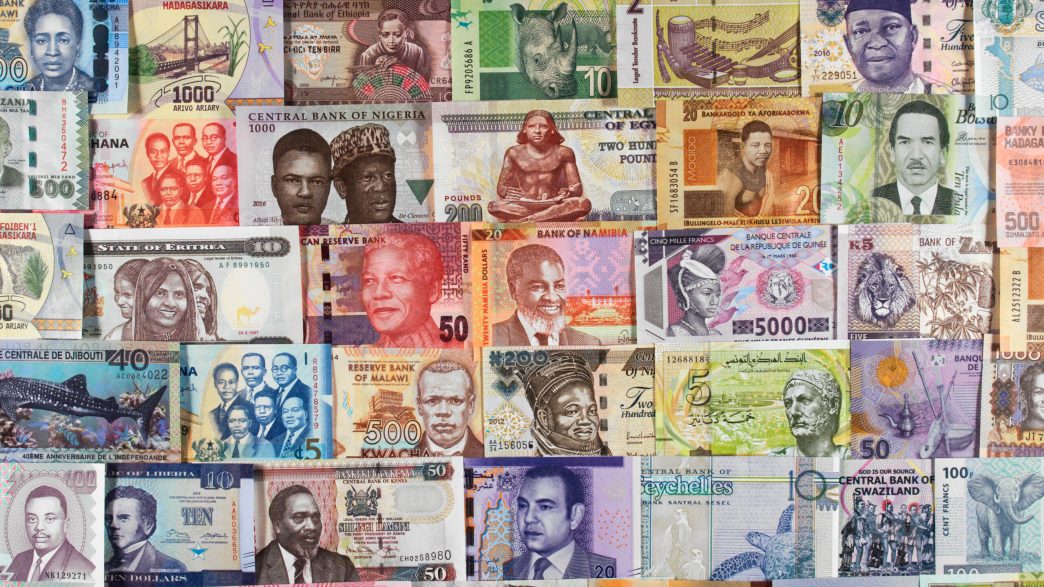
Here’s a surprising fact: Over 40 out of Africa’s 54 countries do not print their own money. Instead, their banknotes are produced in Europe and North America, then shipped back home for everyday use.
Countries like Zambia rely on Britain’s Thomas De La Rue, while Kenya has used Germany’s Giesecke+Devrient. Meanwhile, most French-speaking African countries print their money in France through the French central bank and firms like Oberthur Fiduciaire. 
ALSO READ: 13 African Fashion Influencers You Should Follow Right Now
For decades, many African countries outsourced their currency printing to foreign companies. This means that a large portion of Africa’s money is printed in Europe, packed into containers, and shipped across oceans.
For a continent striving for economic independence, this reality raises an important question: why do most African countries still not print their own money?
Why Most African Countries Don’t Print Their Own Money
1. High cost of setting up printing facilities
Printing money requires expensive machines, advanced technology, skilled experts, and strict security systems. Many countries simply cannot afford to build and maintain these facilities.
For smaller nations like The Gambia or Liberia, setting up a full-scale printing press would cost far more than outsourcing.
2. Low demand for local currencies
Unlike the US dollar or the British pound, most African currencies are not used globally. Because demand is relatively low, printing locally often does not make economic sense.
As economist Mma Amara Ekeruche explains, if a banknote costs €10 to print at home but only €8 abroad, governments naturally choose the cheaper option.
YOU MIGHT LIKE: 10 African Countries With the Most Beautiful Women
3. Economies of scale
Money-printing machines work best when producing millions of notes at once. Countries with small populations could end up printing more money than they need, which creates storage, inflation, and security problems.
4. Security concerns
Ironically, outsourcing can be more secure. Foreign firms like De La Rue, which has been operating for centuries, specialise in advanced anti-counterfeiting features such as polymer notes and high-security inks.
There are also fears that local printing could be vulnerable to corruption, manipulation, or hacking if safeguards are weak.
The Real Cost of Outsourcing
Outsourcing is far from cheap. Countries pay not only for printing but also for transportation and insurance.
In The Gambia, shipping costs alone reportedly reached £70,000 for a single order. In Ghana, central bank officials have publicly complained about the huge sums spent printing the cedi in the UK.
There is also the political risk. In 2011, the UK halted Libya’s currency order after UN sanctions were imposed on Muammar Gaddafi. This showed how relying on foreign printers can leave countries vulnerable to external pressure.
African Countries That Prints Their Own Money In Africa
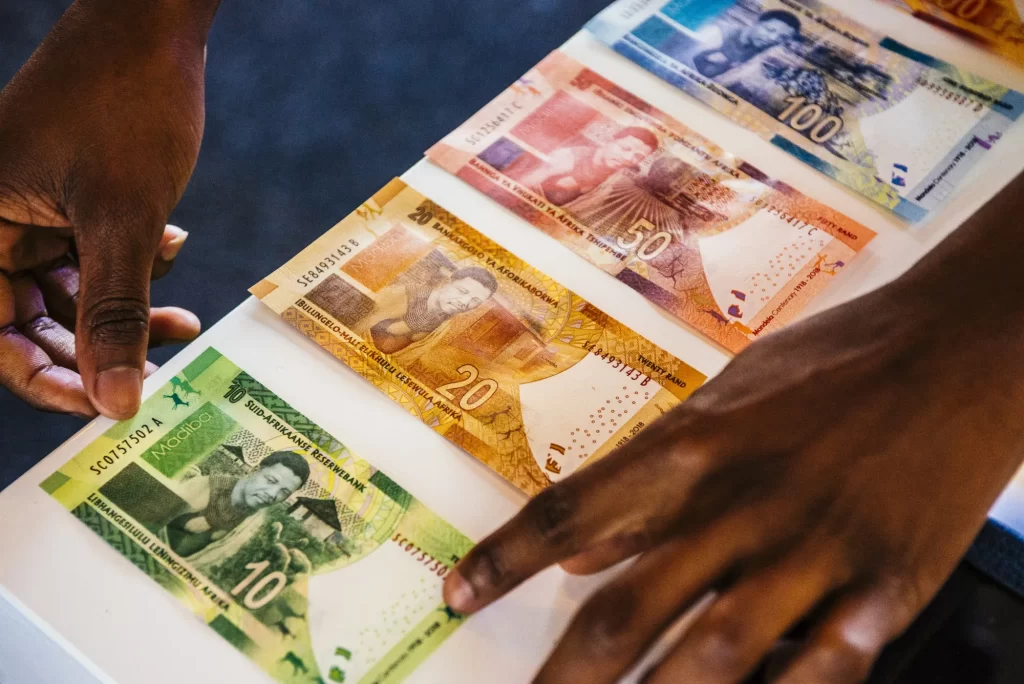
Only 9 out of 54 African countries currently print their own currencies and they are:
- Nigeria
- Kenya
- South Africa
- Egypt
- Morocco
- Algeria
- DR Congo
- Sudan
- Zimbabwe
Even among these, some still supplement local production with imports. With Ethiopia set to join this list, the number will soon rise to 10.
Printing currency locally keeps money within the continent, creates skilled jobs, reduces long-term costs, and strengthens sovereignty. If more African countries begin to collaborate, for example, by printing for neighbouring states, it could drastically cut costs and reduce dependence on Europe.
Because if you don’t control who prints your money, how much control do you really have over your economy?
About The Author