





Why should an African need a visa to travel to a neighbouring country within the same region? In many parts of the world, people can simply take a train or drive across borders, but Africa is not there yet.
Travelling within Africa remains difficult for many Africans and most countries on the continent still require visas, slowing down tourism, trade, and business travel.
According to the Africa Visa Openness Index, only 28 percent of travel within Africa is visa-free, while nearly half requires a visa before arrival. As a result, very few countries have fully opened their borders. 
This is not the case in much of the Western world. Citizens of Europe, North America, and parts of Asia often move across borders without visas or with minimal checks, making regional travel easier and cheaper.
Recently, Ghana and Zambia removed visa requirements for each other’s citizens, improving movement between West and Southern Africa.
Today, only five African countries allow visa-free entry to all African passport holders.
ALSO READ: This Is Africa’s Emptiest Country—and You Won’t Believe Why
5 African Countries That Are Visa-Free for All Africans
1. Ghana
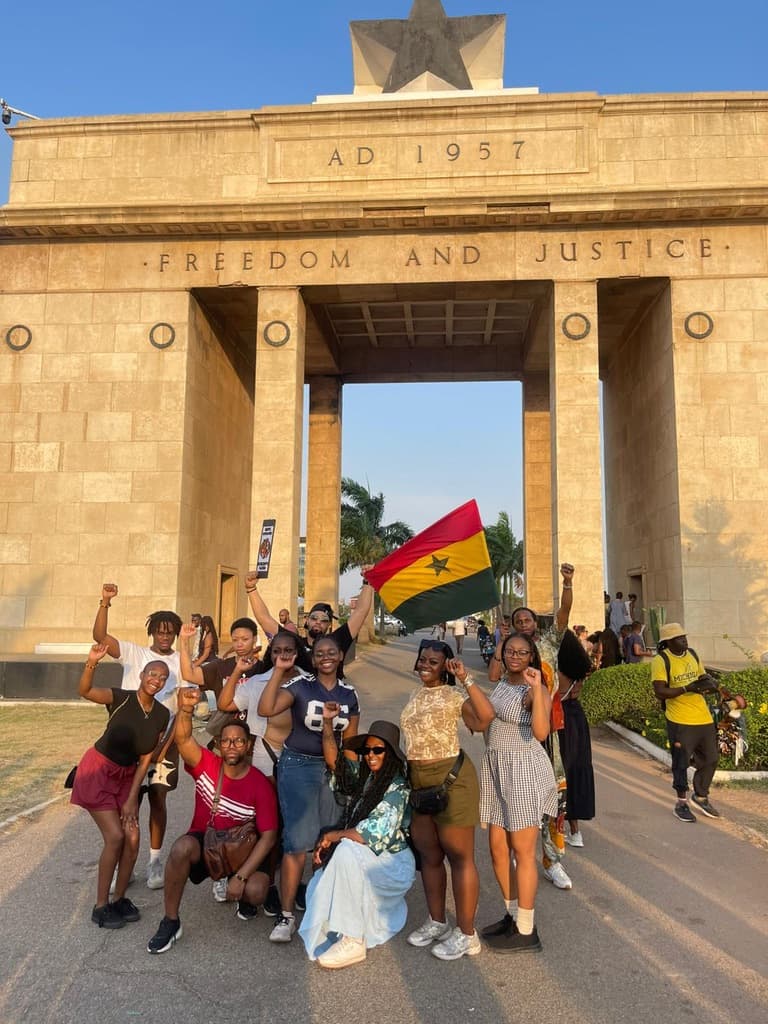
Beginning in early 2026, Ghana will allow visa-free entry to citizens of all African countries, making it the fifth nation on the continent to adopt this policy.
President Nana Akufo-Addo approved the move in December 2025, fulfilling a pledge he made at the Africa Prosperity Dialogues. In his words, the decision is aimed at building “stronger ties across Africa.”
Before this change, Ghana already had one of the most open visa policies on the continent. Nationals of 26 African countries could enter visa-free, while citizens of 25 others received visas on arrival. Only travellers from two African nations needed visas before arrival.
2. Rwanda
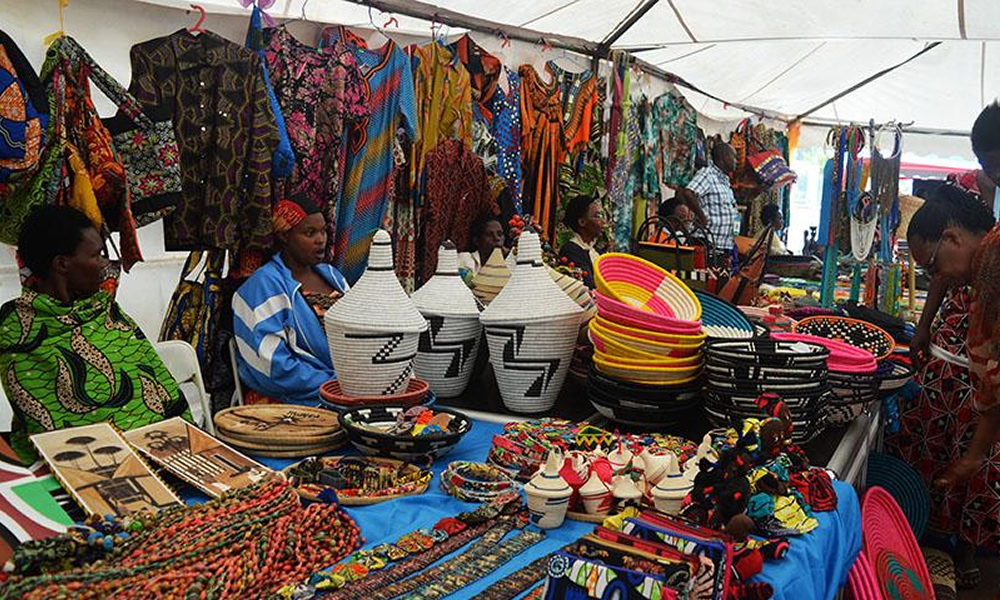
Rwanda was one of the first African countries to allow visa-free entry for all African passport holders. The policy applies on arrival, meaning Africans do not need to apply for visas before travelling.
The Rwandan government introduced this approach to support regional integration, business travel, and tourism. Kigali has since grown into a major hub for international conferences, trade forums, and diplomatic meetings, with easier access playing a key role.
Rwanda’s visa policy aligns with its wider goal of making the country open for investment and easy to do business in.
YOU MIGHT LIKE: Do You Truly Know Africa If You Don’t Know These 17 Facts?
3. Seychelles

The Seychelles offers visa-free entry to citizens of all African countries, making it one of the most accessible destinations on the continent.
Instead of visas, travellers only need to meet basic entry requirements on arrival, such as proof of accommodation and return travel. This policy supports the country’s tourism-based economy, which relies heavily on easy access for visitors.
By opening its borders to Africans, Seychelles has reduced its dependence on visitors from Europe alone and encouraged more intra-African travel, business links, and cultural exchange.
4. The Gambia
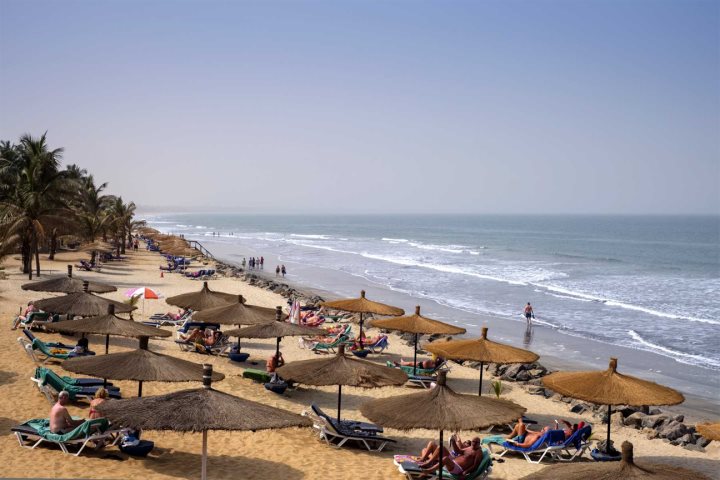
The Gambia allows visa-free entry to all African passport holders and is one of the West African countries that has relaxed entry rules in recent years.
The policy aims to promote tourism, trade, and regional cooperation, especially within West Africa. Tourism is a major part of the Gambian economy, and easier access helps attract visitors from across the continent.
DID YOU MISS: Do You Know Your Demonyms? What People From Every African Country Are Called
5. Benin

Benin also grants visa-free access to all African citizens, placing it among the most open countries on the continent.
In recent years, Benin has taken steps to simplify its immigration policies to encourage cross-border trade, tourism, and movement within West Africa.
The country’s location makes it an important transit and trade point, especially for neighbouring states.
Why Visa-Free Travel in Africa Is Important
Despite these positive developments, visa restrictions remain a major barrier for Africans. The AVOI report shows that citizens of every African country still need visas to enter at least 19 other African nations.
Some face even tougher limitations: for example, Somali passport holders require visas to travel to 38 African countries.
While the rise of e-visas, now available in 26 African countries, has eased the process slightly, it does not replace true visa-free movement.
For now, only five African countries have fully opened their borders to Africans, a small number on a continent of 54 nations.

About The Author