



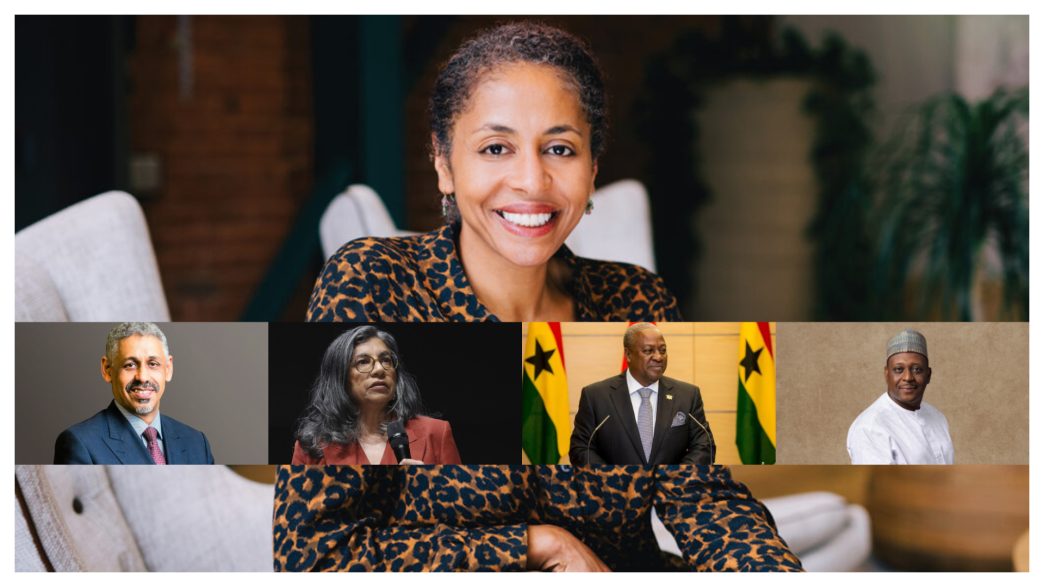
African leaders now lead and shape global development, and the 2026 Devex Power 50 reflects this reality.
Several Africans rank among the top 10 most powerful figures influencing global development today.
Devex is the world’s leading independent media platform for global development, and it publishes the Power 50 to recognise individuals who influence policy, mobilise funding, drive innovation, and make critical decisions. 
The list evaluates people based on their real-world impact, like how they shape policies, redirect resources, introduce new development models, and redefine progress in what Devex calls a “post-aid era”.
A post-aid era is a time when traditional foreign aid no longer drives development, and countries must rely more on their own resources, private-sector investment, and innovative financing.
5 Africans in the Top 10 of the Devex Power 50
1. Sidi Ould Tah (Number 2) – President, African Development Bank (AfDB)
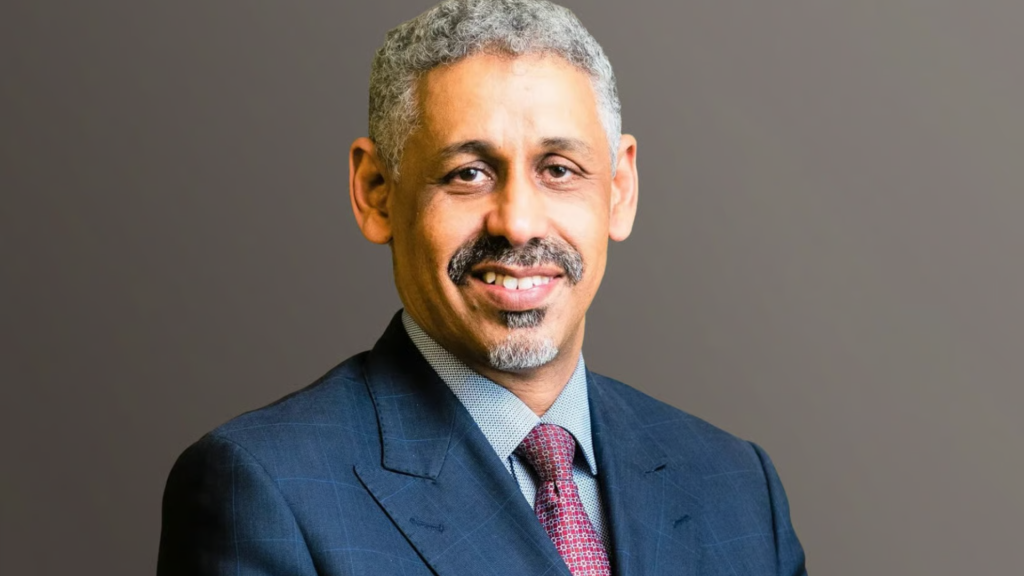
Mauritanian economist Sidi Ould Tah ranks second on the list after his appointment as president of the African Development Bank (AfDB) in 2025.
Prior to this role, he led the Arab Bank for Economic Development in Africa (BADEA), where he expanded assets by 75% and reduced non-performing loans to record lows.
Tah has taken over the AfDB at a critical moment, as the bank faces tighter donor budgets.
However, his strong ties with Gulf financiers, including pledges from BADEA and the OPEC Fund, position him as a key figure in mobilising new capital for Africa.
Moreover, his focus on job creation, peace, and climate resilience are priorities that will shape the bank’s relevance in the coming years.
2. Anna Makanju (Number 4)—Vice President, Global Impact, OpenAI
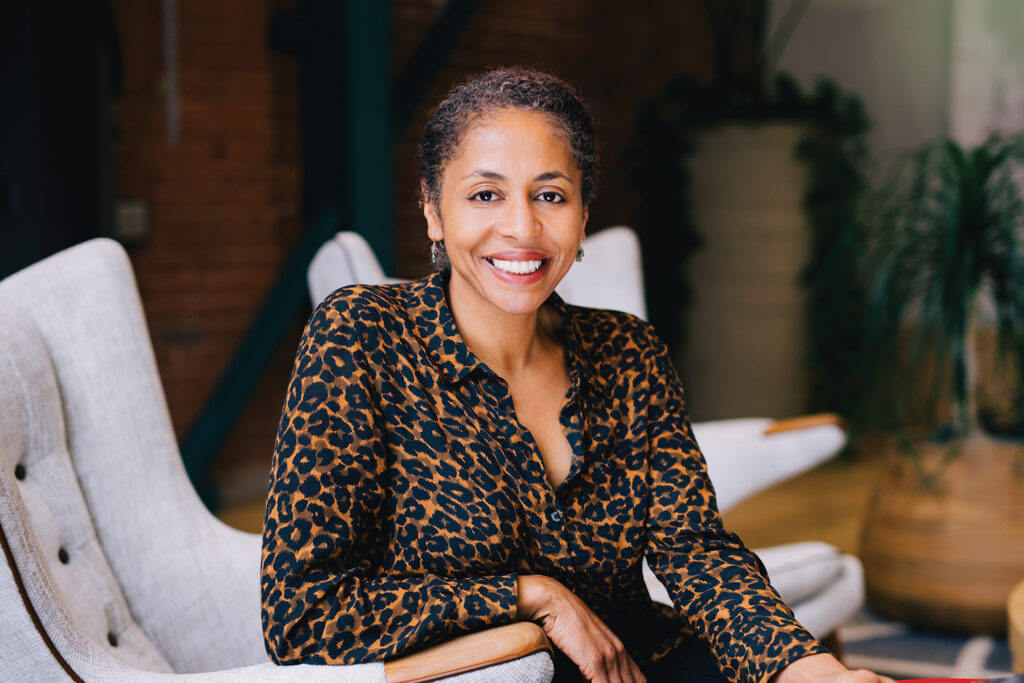
Although born in Russia and based in the United States, Anna Makanju has African roots, having been raised partly in Lagos by a Nigerian father and a Ukrainian mother.
Consequently, she brings a unique global perspective to her work.
She ranks fourth on the list because of her influence at the intersection of artificial intelligence, policy, and global governance.
At the same time, Makanju leads OpenAI’s global engagement with governments and regulators, helping shape the rules that will determine how AI affects societies, including developing countries.
Furthermore, her role in advising leaders on balancing innovation with public safety makes her one of the most influential voices guiding how frontier technologies impact the Global South.
3. John Dramani Mahama (Number 5)—President of Ghana
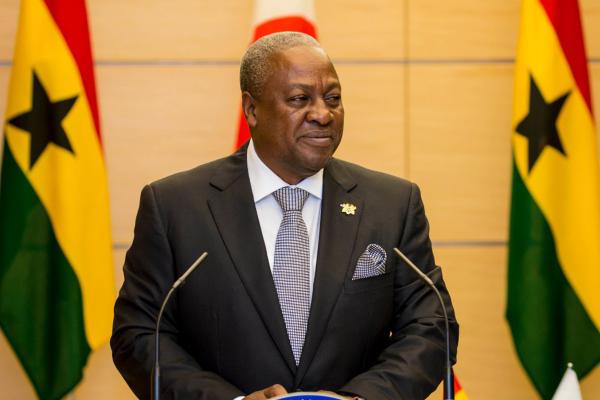
Ghana’s president ranks fifth, primarily because he champions a bold rethink of African development through the Accra Reset.
Currently in his second, non-consecutive term, Mahama has emerged as a leading advocate for moving Africa away from dependency on shrinking foreign aid.
Moreover, according to Devex, Mahama argues that Africa must renegotiate its place in the global economic system, pushing for reforms in debt relief, trade, and climate finance.
As a result, his hands-on leadership has positioned the Accra Reset as one of the most influential ideas shaping development debates in 2026.
4. Muhammad Ali Pate (Number 8)—Nigeria’s Coordinating Minister of State for Health and Social Welfare
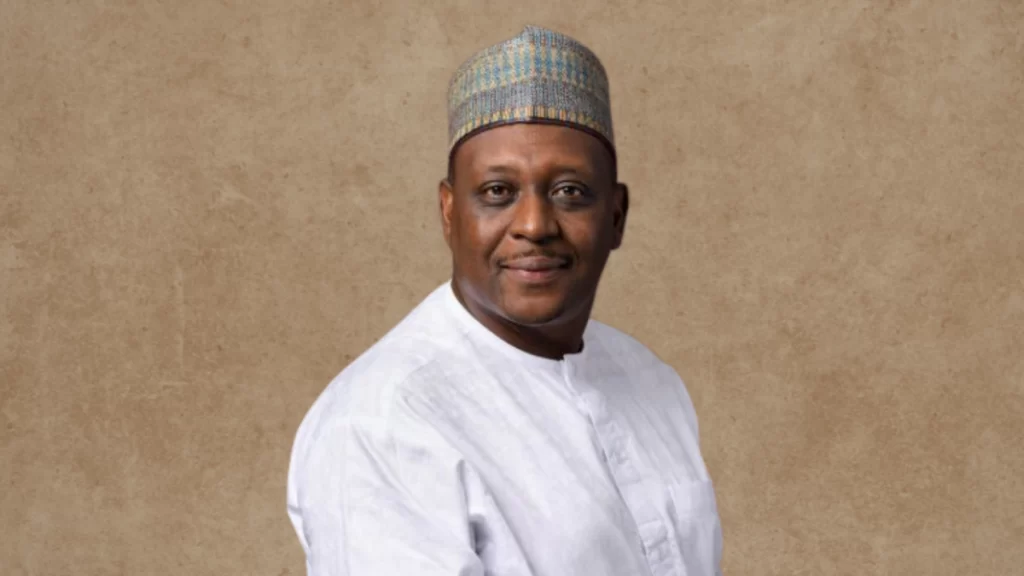
Nigerian health leader Muhammad Ali Pate is recognised for advancing healthcare reform in Nigeria while simultaneously influencing global health policy.
Ali Pate was the global director of the Health, Nutrition and Population Global Practice at the World Bank, the director of the Global Financing Facility for Women, Children and Adolescents.
He also held the position of Julio Frenk Professor of the Practice of Public Health Leadership at Harvard Chan School’s Department of Global Health and Population.
Ali Pate has pushed for local production of health products, including Nigeria’s first domestically manufactured anti-malaria bed nets.
Beyond Nigeria, he advocates for reforming global health financing, which has established him as one of the most recognised health ministers on the African continent and beyond.
5. Binaifer Nowrojee (Number 10) – President, Open Society Foundations
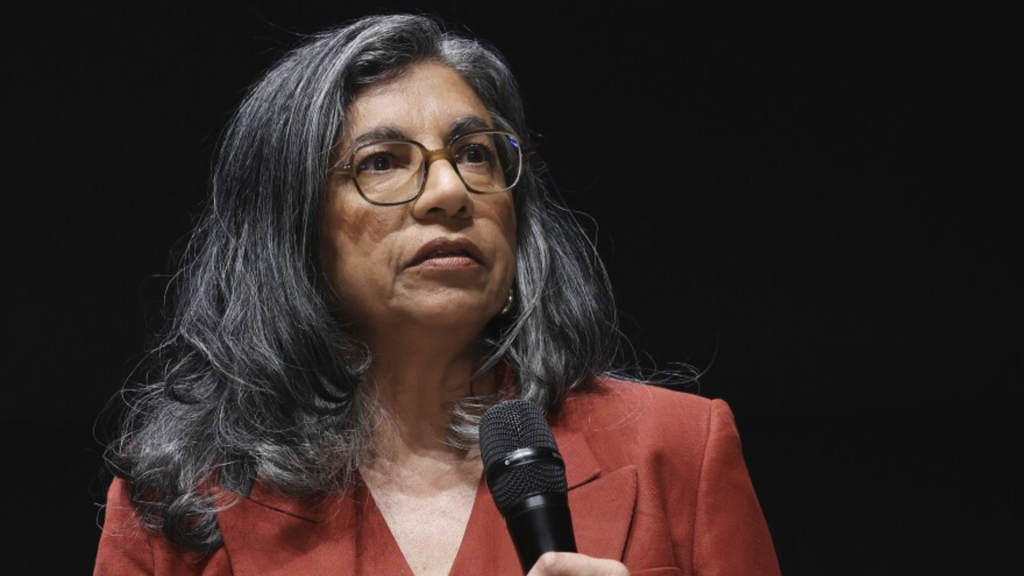
Kenyan-linked human rights advocate Binaifer Nowrojee rounds out the African presence in the top 10.
As president of the Open Society Foundations, she leads one of the world’s most influential philanthropies during a period of political pressure and major organisational restructuring.
Moreover, her leadership is vital at a time when democracy, governance, and human rights programmes face significant funding cuts.
In addition, her position against political intimidation and commitment to institutional independence have established her as one of the most consequential figures in development today.
Overall, the strong African presence in the Devex Power 50 signals a shift in global development leadership.
Africans are no longer merely responding to external agendas; they are designing new models, influencing global finance, shaping technology governance, and redefining cooperation on their own terms.
In a rapidly changing development landscape, these leaders are setting the direction for what comes next.

About The Author