



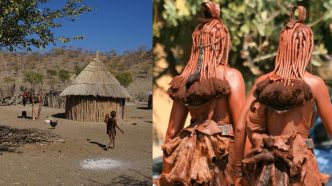
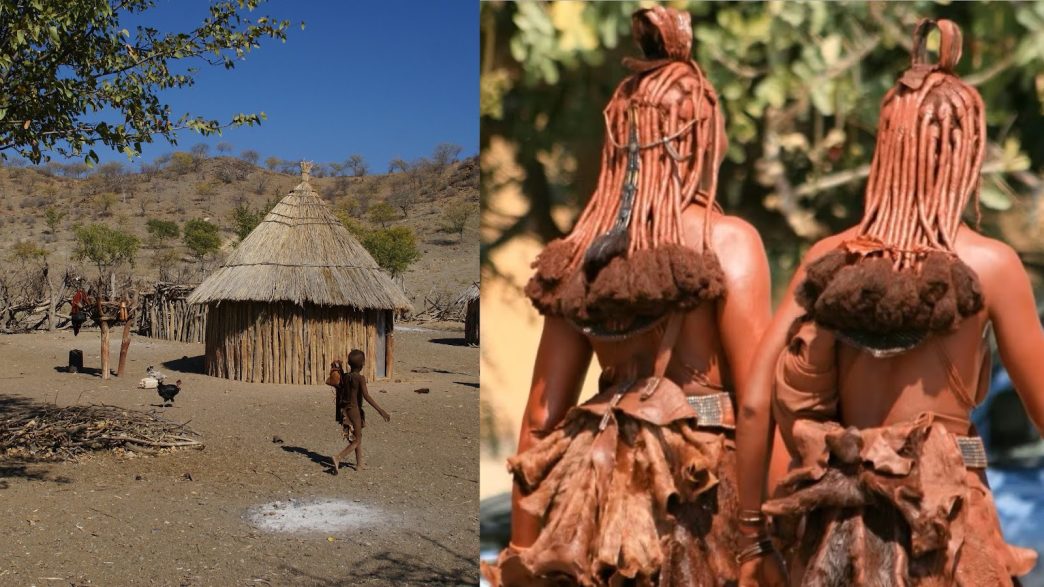
Outside the cities, across the sun-scorched plains of northwestern Namibia, lives a community whose customs regularly fascinate photographers, researchers, and curious travellers. This is the Himba Tribe, known for red clay skin, smoke baths instead of showers, and a hospitality tradition that can include sex as a gift to guests. The Himba tribe remains one of Africa’s most talked-about cultures.
They are semi-nomadic pastoralists, raising cattle in one of the driest regions in southern Africa. Every part of the Himba life (beauty, hygiene, intimacy, and hospitality) has been shaped by scarcity, survival, and centuries of cultural continuity.
ALSO READ: The 10 Most Powerful Kings in Ancient Africa 
The Red Glow Everyone Notices
Himba women are instantly recognisable for their reddish skin and hair. This glow is possible thanks to otjize, a daily paste made from animal fat and crushed ochre (natural clay earth pigments). The mixture protects against the harsh desert sun, repels insects, and locks in moisture in an environment where water is scarce. Aromatic resins are often added, giving women a warm, smoky scent.
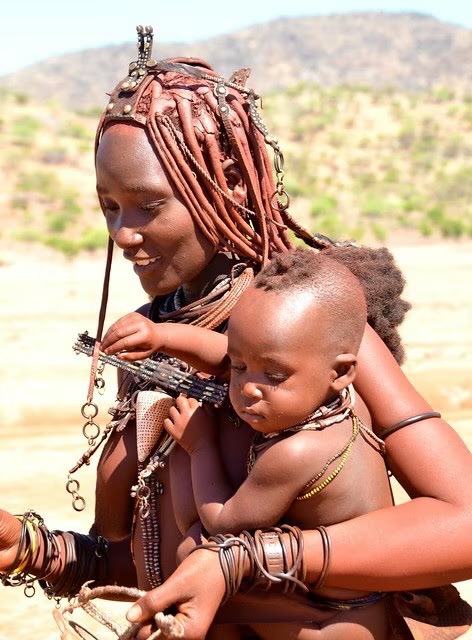
Otjize is not cosmetic vanity. It symbolises earth, fertility, and life itself. It’s the Himba tribe’s way of turning climate adaptation into cultural identity.
Why the Himba Women Don’t Bathe With Water
Water is precious in the Himba territory, and traditional bathing is rare. Women do not wash with water. Instead, they practise smoke bathing. Hot coals and fragrant herbs are placed in clay pots, and women sit over the smoke. They are sometimes wrapped in blankets, allowing sweat and steam to cleanse the body.
The method conserves water while still maintaining hygiene. It leaves a distinctive scent that many visitors find surprisingly pleasant. Men may occasionally use water. But smoke bathing remains the norm for women due to the environment.
The Himba Tribe Hospitality That Raises Eyebrows
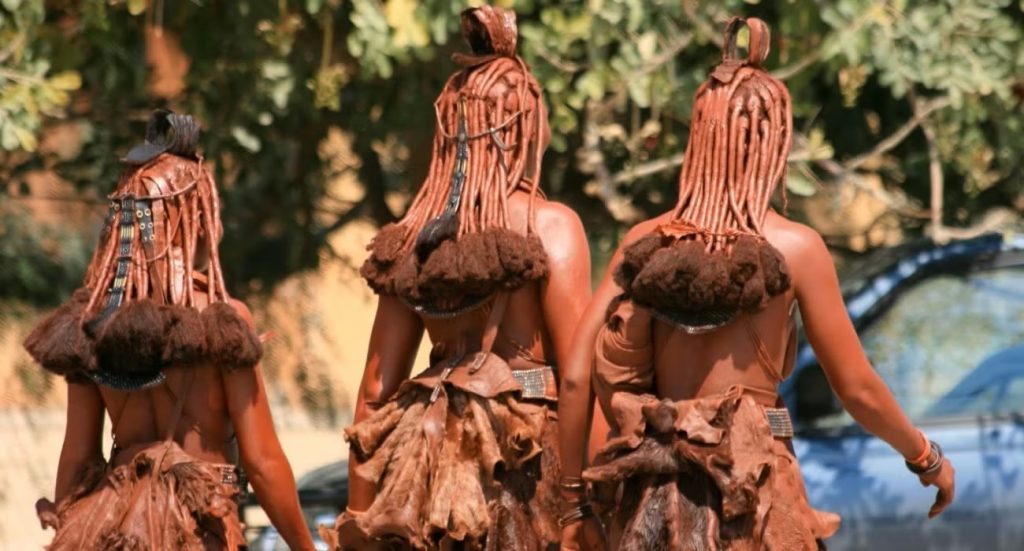
The most controversial Himba custom is okujepisa omukazendu. It is a ritual of hospitality where a host may offer his wife or a female family member to spend the night with a trusted guest. To outsiders, it is often framed as “free sex.” But within the Himba culture, it represents trust, alliance, and social bonding.
This practice is not extended to random tourists. It traditionally applies to close relations, friends of the family, or individuals tied to lineage and inheritance. Ornaments worn during the encounter must be removed carefully and returned intact. This act underscores respect rather than exploitation.
ALSO READ: Gorillas, Elephants, and 10 Other Animals Facing Extinction in Africa
The Culture of the Himba Tribe is More Than Curiosity
Himba dress (bare chests, leather skirts, and anklets against insect bites) reflects practicality and symbolism. Polygamy, livestock wealth, and tightly structured kinship systems define status and survival.
To judge the Himba tribe by stories alone is to miss the point. Their traditions, however strange, are deeply rooted responses to their land, history, and community. In a world obsessed with sameness, the Himba Tribe remains a living reminder to respect the depth of our different cultures.

About The Author