


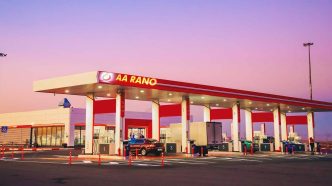
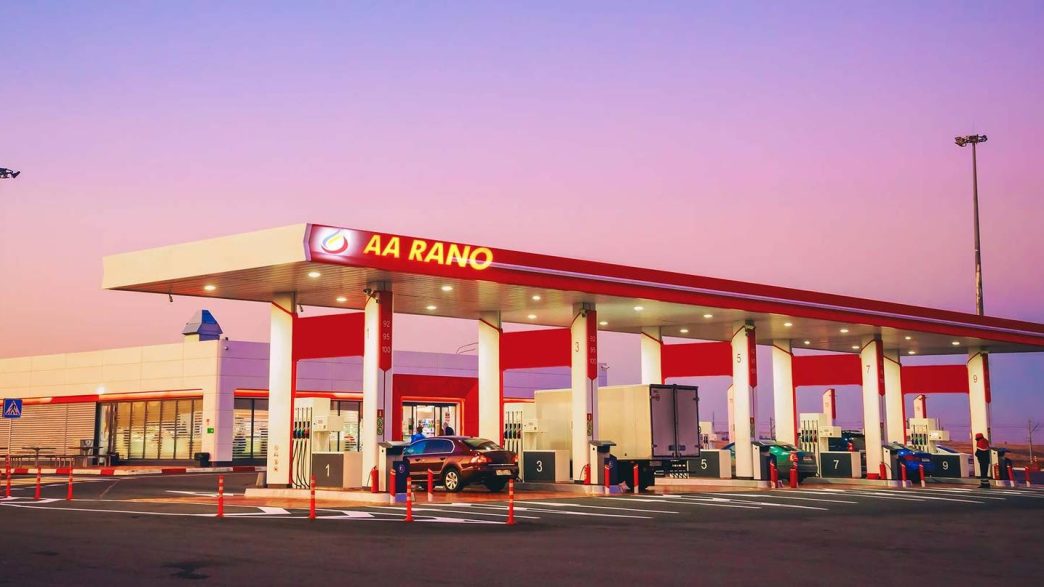
Nigeria’s fuel retail scene just got a tech upgrade. A.A. Rano Nigeria Limited, led by oil and gas entrepreneur Alhaji Auwalu Abdullahi Rano, has unveiled what it calls the country’s first 24-hour unmanned fuel stations, fully automated and powered by SmartPump technology. This move promises convenience, transparency, and a whole new way to fill your tank, whether it’s midnight or rush hour.
Tap, Pay, Pump: How It Works
Gone are the days of waving down a pump attendant. At these new stations, motorists self-service fuel using digital interfaces and contactless payments, with fuel dispensed by automated pumps monitored in real-time. The goal is to cut waiting time, improve trust, and eliminate shady metering that many drivers complain about.
The brains behind this shift is Petrosoft Limited, a Nigerian tech firm that developed the SmartPump system. The partnership with A.A. Rano will see this tech rolled out across the company’s network of more than 200 retail outlets nationwide, including border communities with neighbouring countries. 
ALSO READ: Dangote Slashes Fuel Prices – Full List of Stations Selling Petrol Below ₦740
Why These First Unmanned 24-Hour Fuel Stations Matter
Fuel retailing in Nigeria has long been bogged down by long queues, shady transactions, and complaints of litres “vanishing” between what you paid for and what ends up in your tank. By automating these steps, customers would no longer squint suspiciously at pump readings. They’ll see precise, trustworthy dispensing every time at their own service.
For tech enthusiasts, it’s also a homegrown innovation success story. SmartPump was built locally to global standards and could redefine fuel retail efficiency from single stations to larger depots.
Not Everyone’s Cheering These First Unmanned 24-Hour Fuel Stations
However, there’s been pushback to this development, as petrol station workers under the Concerned Petrol Station Workers banner have warned that automation could cost jobs in a country already struggling with unemployment and rising living costs.

Comrade Ibrahim Zango, the group’s convener, argues that many attendants rely on these jobs to feed families and that removing them without clear transition plans or safeguards risks worsening social and economic pressures. He says innovation ‘should create opportunity, not remove livelihoods.’
The Road Ahead
With operations set to begin in January 2026, drivers will soon decide whether tapping a screen beats handing cash to a human on a hot afternoon.
Regulators may also be stirred into action, balancing technological progress with labour protection policies as the downstream energy sector evolves.
In the Nigerian fuel retail revolution, innovation and inclusion will both need seats at the pump.

About The Author