


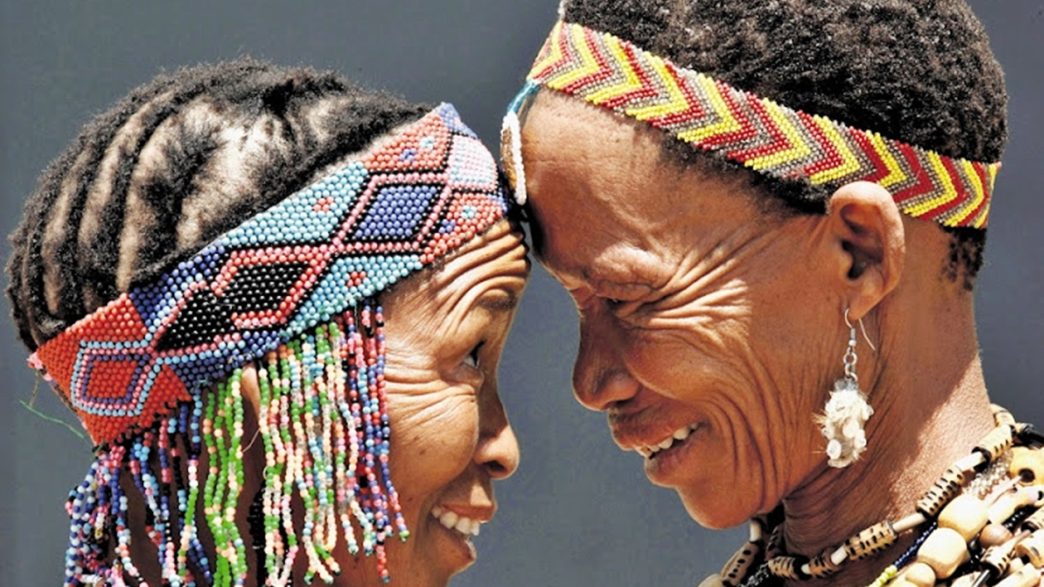
Africa stands out as one of the most linguistically diverse regions in the world. Many people may think the continent shares similar cultures, but in reality, it hosts a wide variety of languages and traditions.
Africa boasts over 2,000 living languages, giving it one of the richest language landscapes on Earth.
How Many Languages Are Spoken in Africa?
Experts estimate that people speak between 1,500 and 3,000 languages across Africa, depending on how they classify languages and dialects. Most studies agree that people speak well over 2,000 languages. 
This means Africa alone holds about one-third of all the languages in the world, even though it covers just one continent. Some languages reach tens of millions of speakers, while others serve only small communities.
ALSO READ: 15 Safest Cities in Africa to Travel to in 2026
Main Language Families in Africa
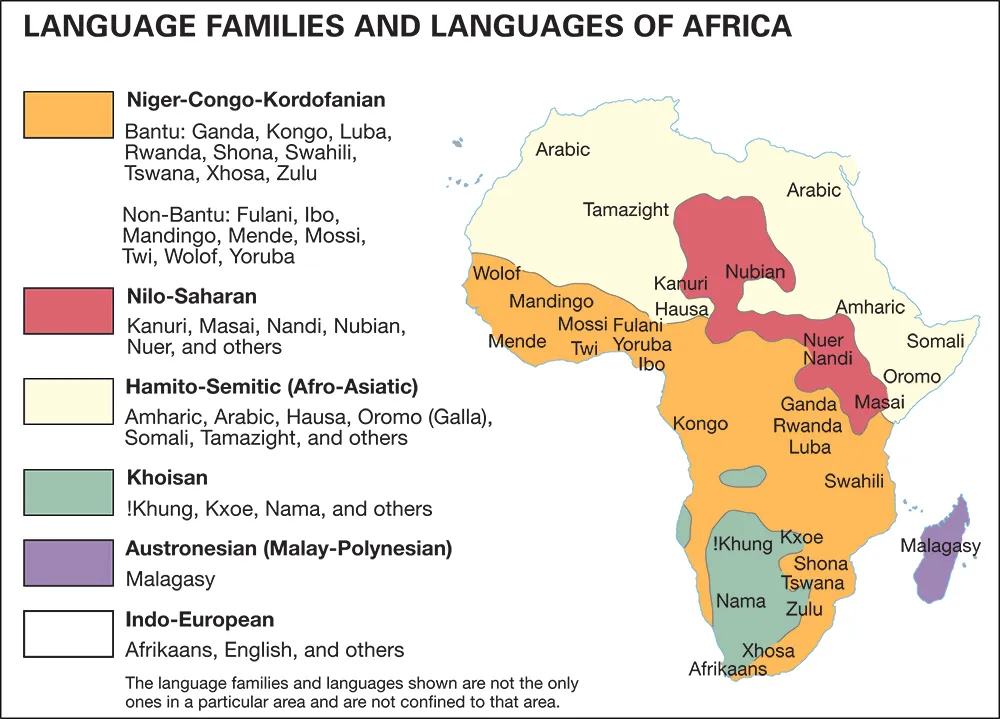
African languages belong to a few large groups known as language families. These families developed over thousands of years as people migrated, traded, and formed communities.
The Niger-Congo family is the largest and includes many languages spoken in West, East, and Southern Africa.
The Afro-Asiatic family is common in North Africa and the Horn of Africa.
The Nilo-Saharan family is spoken mainly in parts of East Africa and the Sahel.
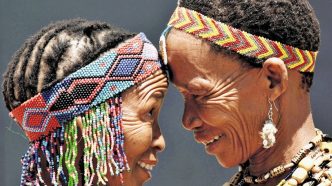
The Khoisan family, found mostly in Southern Africa, is known for its unique clicking sounds.
Together, these families make up the wide variety of languages spoken across the continent.
The Most Widely Spoken African Languages
Although Africa has thousands of languages, a few are spoken by very large populations and are used across borders.
Swahili (Kiswahili) is one of the most widely spoken languages in Africa. It is used as a common language in many East and Central African countries and is spoken by over 200 million people when second-language speakers are included.
Arabic, in its many African dialects, is spoken across North Africa and parts of the Horn of Africa, with well over 170 million speakers on the continent.
Hausa is a major language in West Africa and is widely used in trade, media, and daily communication across several countries, with around 100 million speakers.
Amharic, the official language of Ethiopia, has over 50 million speakers and a long written history.
Yoruba and Igbo, mainly spoken in Nigeria and neighbouring countries, are each used by tens of millions of people and have strong cultural and historical influence.
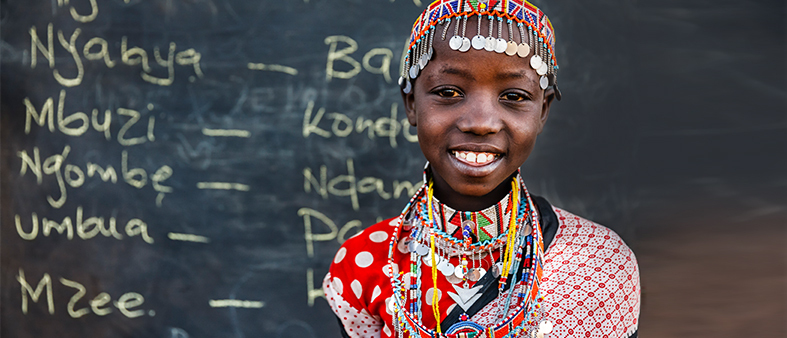
Languages carry culture, history, and identity, and African communities use their languages to preserve oral traditions, storytelling, music, and indigenous knowledge passed down through generations.
YOU MIGHT LIKE: Only 6 African Countries Have Uninterrupted Electricity – Find Out Which Ones
However, many schools do not teach African children in their mother tongue. UNESCO reports that in some regions, fewer than 20% of students learn in the language they speak at home, which can affect both learning and the preservation of languages.
Despite this, many Africans speak two or more languages every day, a local language, a regional language, and sometimes a global language like English or French.

About The Author