


West Africa’s prisons decided rolled out their own end-of-year creative takeover. First, Kirikiri Medium Custodial Centre in Lagos hosted a live concert that felt like a proper festival.
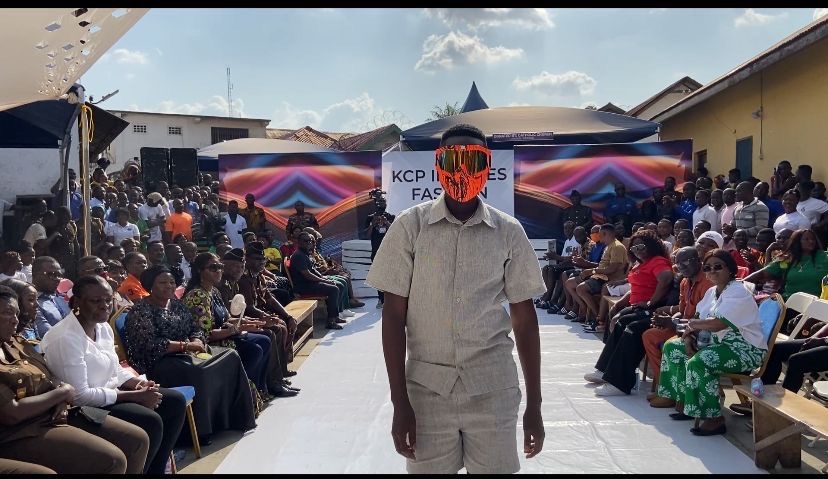
Days later, we had Ghana’s Kumasi Prison Fashion Show, a full runway event and the first of its kind from the Kumasi Central Prison. In my opinion, there’s a resounding message here.
Read Also: In Zimbabwe, They Let Well-Behaved Inmates Go Home for ‘Private Time’ 
From Mic Checks to Catwalks
At Kirikiri, the now-talked-about ‘SALT Concert’ saw inmates vibing to live performances from Skales, Korede Bello, Teni the Entertainer, and legendary DJ Jimmy Jatt. Organised by prison reform advocate Lamboginny in partnership with the Centre for Legal Support and Inmate Rehabilitation (CELSIR), the concert wasn’t just about hits and nostalgia. It reminded inmates that they are still seen and heard.
CELSIR’s Executive Director, Joke Aladesanmi, framed the concert as emotional rehabilitation in action. Music, she explained, restores dignity in spaces usually defined by routine and restriction.
The Nigerian Correctional Service backed the idea, noting that creative interventions support mental and emotional well-being. In short: good music, better outcomes.
The Kumasi Prison Fashion Show Said: Hold My Sewing Machine
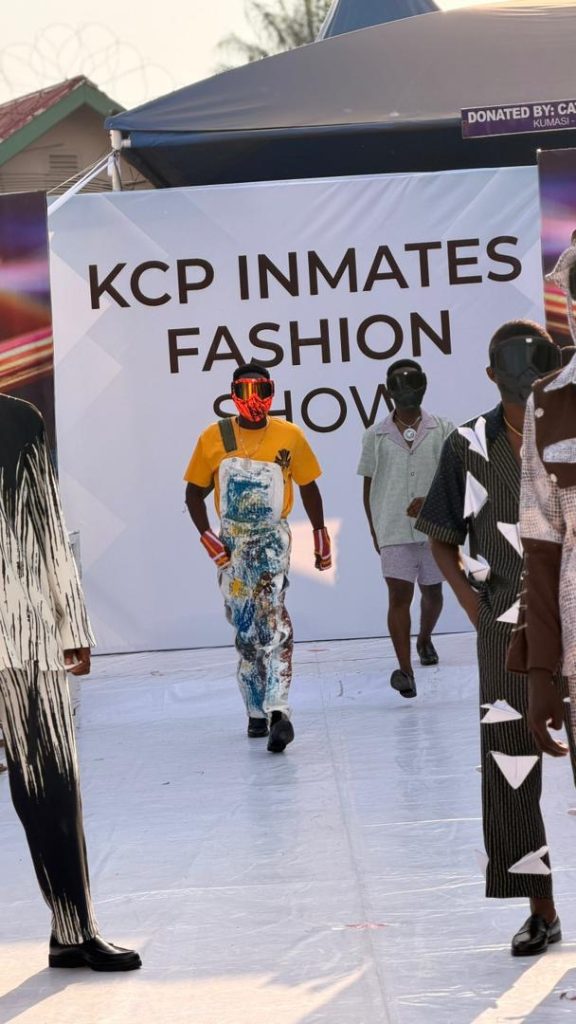
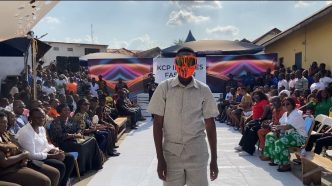
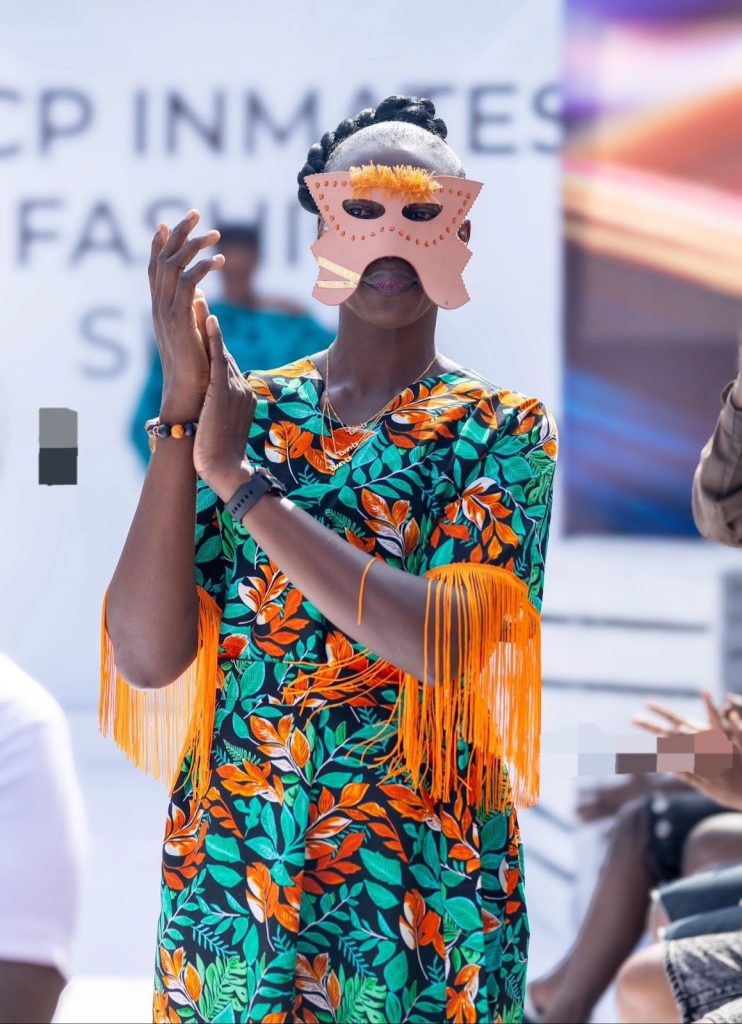
Barely a week later, Kumasi Central Prison staged its first-ever inmates’ fashion show, and they went all out. It was held in the prison yard and, inmates walked a makeshift runway wearing kente, batik, tie-dye, and tailored contemporary outfits. Many of the pieces were designed and sewn by the inmates themselves through vocational training programmes.
This was rehab with serious drip.
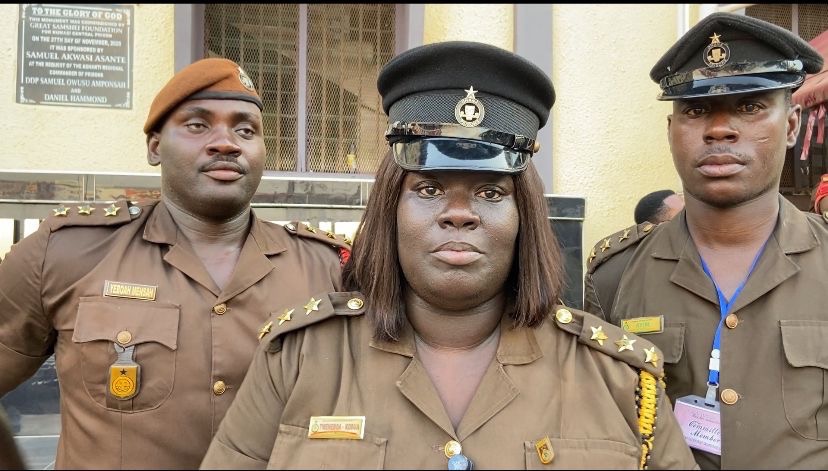
Officer-in-Charge DDP James B. Mwinyelle summed it up, saying the show was about capability, not incarceration. Led by Assistant Superintendent Rashid K. Ennin and featuring female inmates from the Kumasi Female Prison under CSP Florence Akua Asabea Taylor, the event drew politicians, fashion stakeholders, and partners like UNIJAY Fashions, Horseman Shoes, and House of Kotobre.
The Bigger Picture
Together, these events signal a shift. Prisons are no longer just holding spaces for convicts. They’re becoming creative incubators, preparing people for reintegration. Whether it’s a chorus echoing through Kirikiri Medium prison or a confident strut in Kumasi, the prisons are making it clear that rehabilitation works better when dignity is part of the programme.

About The Author