
When Nigerian TikToker Habeeb Hamzat, popularly known as Peller, crashed his car during a livestream following a public breakup. In the video, Peller appeared visibly distressed, hinting at self-harm moments before the crash.
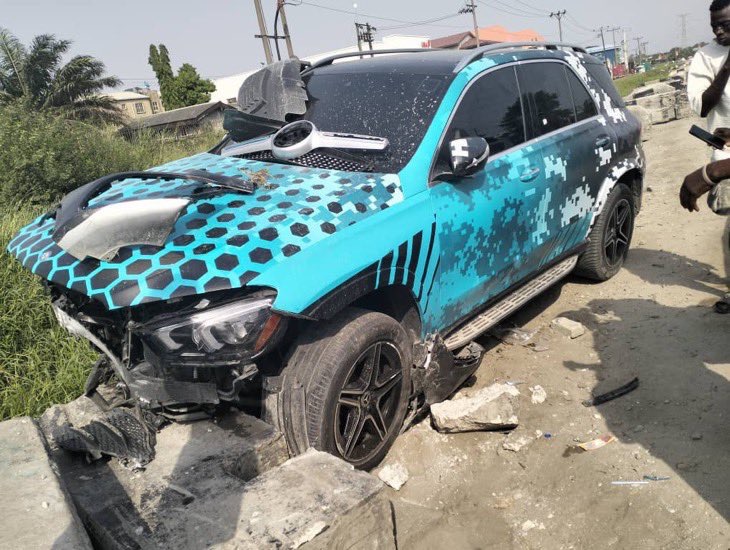
The incident sparked outrage, concern, and official action, with the Federal Road Safety Corps (FRSC) confirming he would be prosecuted for reckless and distracted driving.
Beyond Peller’s car crash itself, the moment reignited an uncomfortable conversation. How far is too far when chasing attention online? Across Africa, several public figures have crossed legal, ethical, and physical boundaries, not for art or activism, but just visibility. 
Here are 8 other African celebrities who crossed the line for clout.
READ ALSO: Africans And Therapy? 7 Nigerians and a Certified Therapist Share Their Stories
1. Akuapem Poloo — Nude Photo With Her Son (Ghana, 2020)
The Ghanaian actress posted nude photos with her seven-year-old son partially visible, claiming it was meant to “celebrate motherhood.” The images went viral and triggered national outrage.
Poloo was arrested, prosecuted, and sentenced to 90 days in jail (later reduced), with the court ruling that the post violated child dignity and privacy laws. The case remains one of Ghana’s most cited examples of clout-driven behaviour ending in real legal consequences.
2. Carter Efe — The ‘Oyinmo’ Challenge (Nigeria, 2022)
To promote his song ‘Oyinmo’, Carter Efe launched a viral challenge that encouraged fans to roll violently on dirty roads, in gutters, and in muddy environments for a $1,000 cash prize. The challenge spiralled as participants filmed themselves in soakaways, markets, and drains.

Health experts warned of severe infection risks, prompting Carter Efe to call it off eventually.
3. Penny Ntuli — Twerking on a Busy Highway (South Africa, 2022)
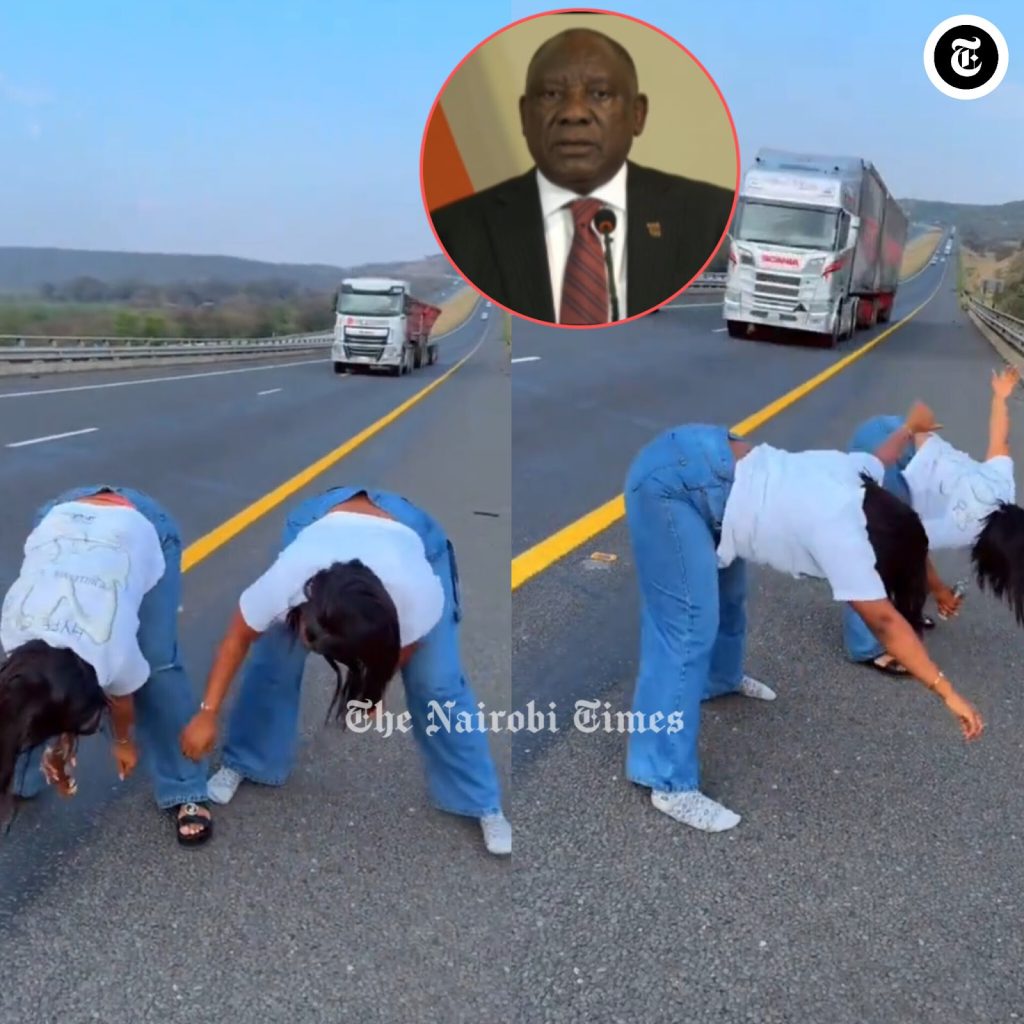
South African radio personality Penny Ntuli posted a video of herself dancing provocatively on an active highway with her friend as trucks and cars sped past.
Road authorities condemned the stunt, warning it was illegal and could have caused fatal accidents. Ntuli later admitted the location was dangerous, though she stopped short of a full apology.
4. Speed Darlington — Provoking Arrests for Trends (Nigeria, 2024)
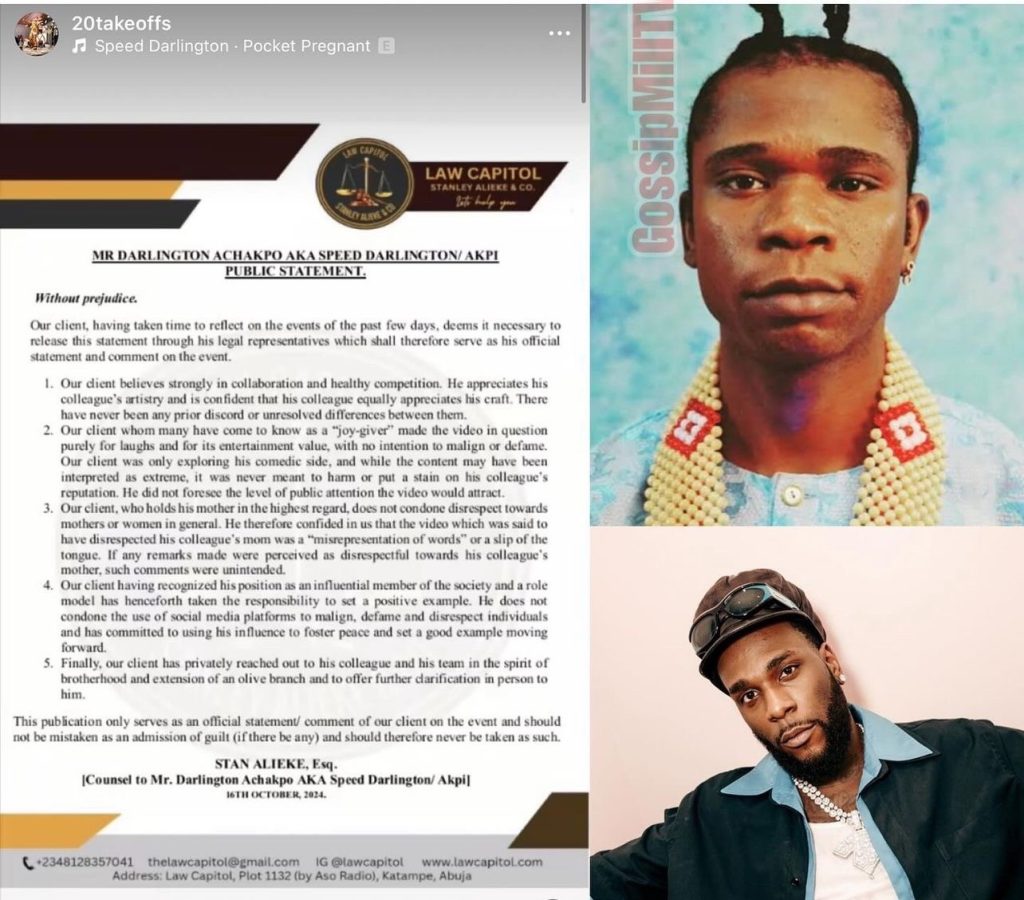
Speed Darlington’s escalating online provocations against Burna Boy in late 2024 and early 2025 (including allegations linking the artist to Diddy) led to multiple arrests, court appearances, and prolonged detention. Even after release, Darlington doubled down by turning the controversy into a diss track. Legal battles, bail conditions, and lawsuits followed, with Darlington openly admitting his actions were done “to trend.”
5. Skiibii — Faking His Death (Nigeria, 2015)
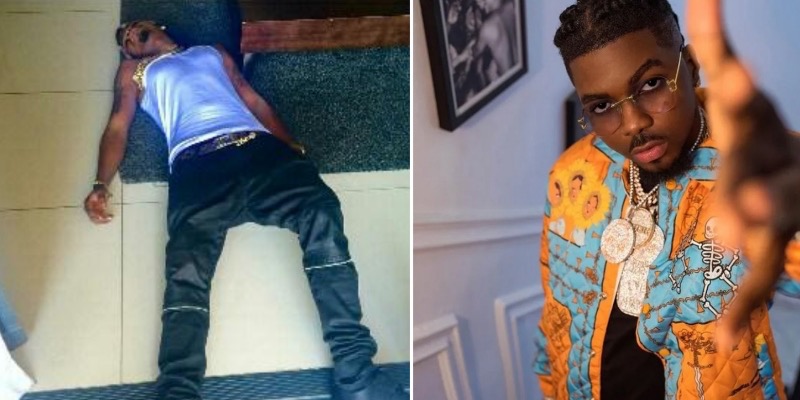
Death rumours about Skiibii spread nationwide before being debunked less than 24 hours later. Though his camp denied it was a publicity stunt, the timing and rollout made it one of Nigeria’s earliest and most controversial examples of exploiting death for attention.
6. Oladips — Death Announcement Stunt (Nigeria, 2023)
Oladips was declared dead by his management, sparking grief and tributes, only for him to resurface days later as an album dropped. Conflicting statements from his team and family deepened suspicion that the incident was a calculated PR move, leading to intense backlash.
7. KCee — Public Lies Framed as PR (Nigeria)
KCee was exposed for posting fake images of cash stacks online, later claiming it was a planned PR stunt. The explanation only worsened public scepticism, raising questions about authenticity versus engagement.
8. Kogbagidi — Faked Coming Out (Nigeria)
Music promoter Kogbagidi staged a coming-out narrative on social media, later admitting it was a marketing ploy for a song. The move was widely criticised for trivialising LGBTQ+ identities in a country where queer communities already face serious risks.
Peller’s crash is not an isolated incident. It’s the latest reminder that in the age of algorithms, clout can feel currency-like. However, the cost is often far higher than the clicks.

About The Author