




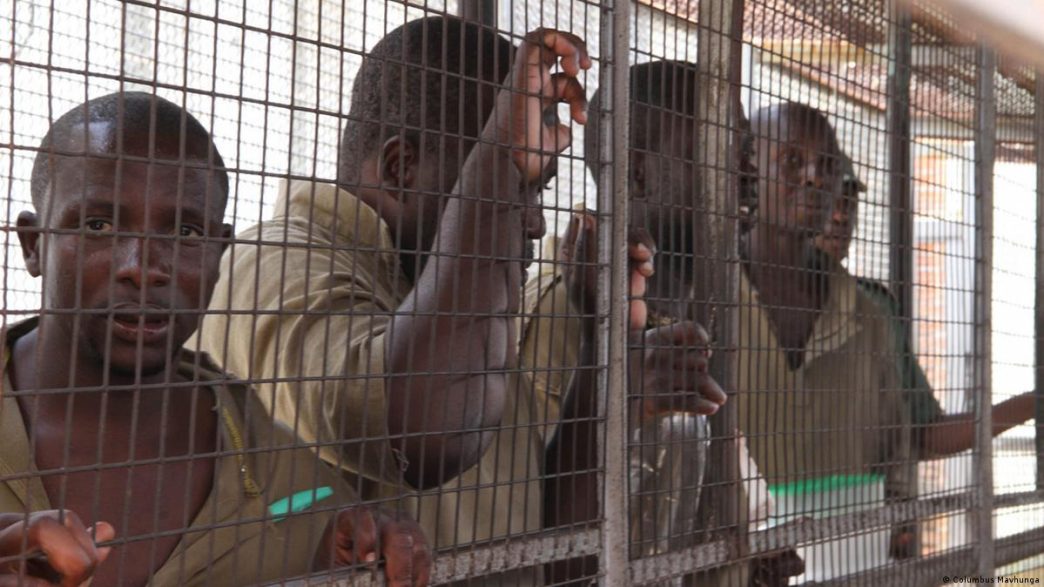
Zimbabwe’s prisons are trying something new. Under a pilot policy, selected inmates with good behaviour can now get temporary leave to go home and spend private time with their partners.
The Zimbabwe Prisons and Correctional Service (ZPCS) says the initiative which is commonly called conjugal rights, is part of a shift from pure punishment to rehabilitation. The idea behind it is that strong family ties help inmates reintegrate better after prison.
ALSO READ: Dakar Fashion Week Staged a Runway on the Atlantic Ocean – All The Details 
How Does It Work?
The trial is currently running at Marondera Female Open Prison and Connemara Prison. Only inmates with good conduct records are considered, and the visits happen at their homes, not inside prison facilities.
In case you’re wondering:
- Is everyone eligible? No. Good behaviour is key.
- Is this a free-for-all? Definitely not. It’s controlled and supervised.
- Is it permanent? Not yet. It’s part of a pilot programme.
ZPCS spokesperson Assistant Commissioner Meya Khanyezi explained that maintaining emotional and intimate bonds is crucial for genuine rehabilitation. According to her, reform doesn’t end at the prison gate, families and communities also have a role to play.
In her words, inmates are not just prisoners; they are people who came from society and will return to it.

Is This Linked To Parole?
Yes. The Commissioner General of Prisons Moses Chihobvu recently revealed that the country is rolling out a broader parole system, which could allow some inmates to finish their sentences at home under supervision. Conjugal rights are an early part of that framework.
When the announcement was made to female inmates in December 2025, reports say the reaction was, unsurprisingly joyful.
Who Decides Who Qualifies?
A dedicated Parole Board will select eligible inmates and priority will go to prisoners who show consistent good behaviour and real progress in rehabilitation programmes. Authorities say public safety will still come first.
YOU MIGHT LIKE: The 5 Camera Phones That Dominated 2025 (and Why They Stand Out)
Will It Work?
ZPCS believes so because the policy aims to reduce repeat offenders, keep families intact, and make life after prison less of a shock.
It might work in Zimbabwe, but try it in another African country that starts with N and ends with A, and you might never see that inmate again.

About The Author