


A joke can make a room erupt in laughter. A witty comment can win social media attention. Sometimes, a few words can even turn an ordinary person into an internet sensation. But what happens when the laughter stops and the consequences begin?
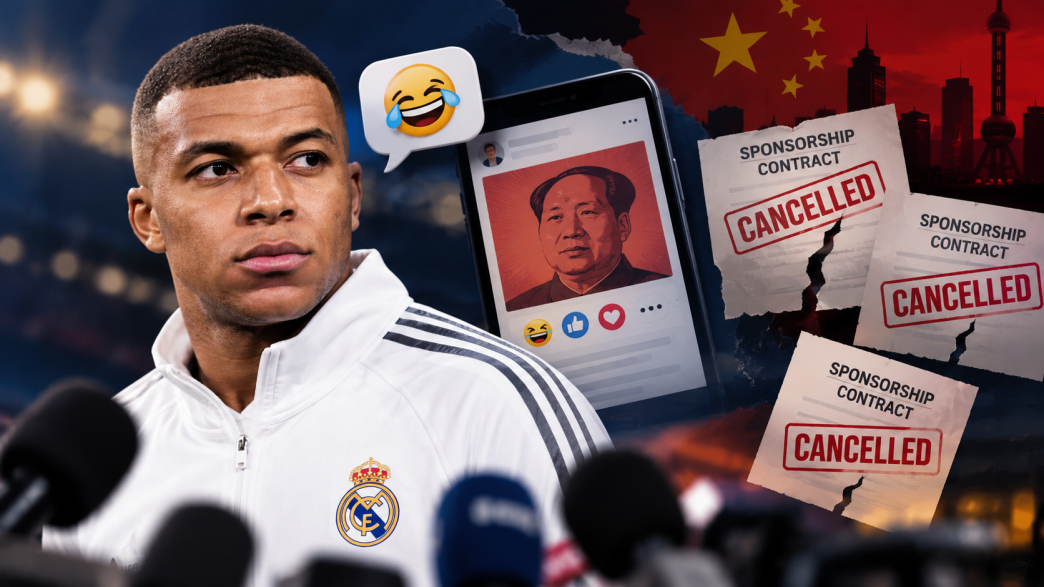
For French football superstar Kylian Mbappé, a comment about an internet meme has reportedly cost him three Chinese brand partnerships. The Real Madrid forward found himself at the centre of an international controversy after a video circulated online showing him referring to former Chinese leader Mao Zedong as a dictator.
The comment, which appeared to be a casual reaction to a meme featuring his face superimposed on Mao’s image, did not go down well with many Chinese fans. Three companies, Mengniu, Shanghai Milkground and Eastroc, subsequently ended their partnerships with the footballer. 
Mbappé later apologised, describing his comment as ill-judged. He also acknowledged that his words had hurt people in China and Chinese communities around the world.
His experience raises an interesting question: Can a moment of humour cost someone their reputation, livelihood or business relationships?
The answer, as several incidents around the world demonstrate, is yes.
When Our Jokes Cost Us: The Mbappé Experience
Celebrity endorsements often involve more than popularity. Brands invest in public figures because their images, values and influence can help sell products and build consumer confidence.
However, that relationship can quickly change when a celebrity becomes associated with a controversial statement.
Mbappé’s experience illustrates the risks of making comments without fully considering their cultural implications. Mao Zedong remains a significant historical figure in China. Although his leadership and policies remain subjects of historical debate, jokes about him can touch a particularly sensitive national nerve.
The incident also demonstrates how differently people interpret humour across cultures.
What one person considers harmless banter may appear disrespectful to another. For international celebrities with commercial interests across different countries, understanding these differences matters.
Mbappé’s apology may help address the controversy, but the loss of three commercial partnerships shows that apologies do not always reverse the consequences of public statements.
When a Joke Costs Us More Than a Laugh
Mbappé is not the first public figure to discover that a joke can have professional consequences.
In December 2013, Justine Sacco, a public relations executive at American media company, IAC, posted a controversial message on X, formerly Twitter, before boarding a flight to South Africa.
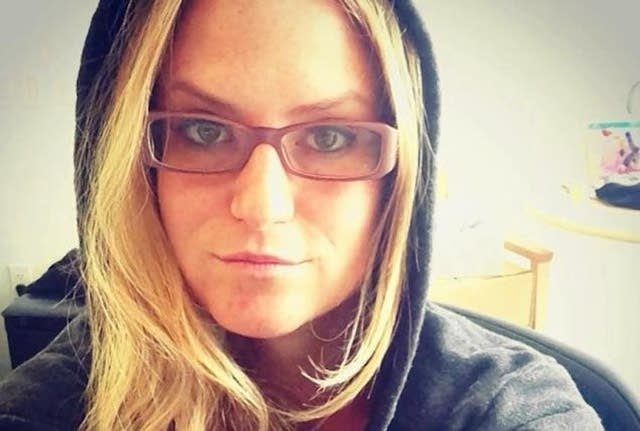
Her post read: “Going to Africa. Hope I don’t get AIDS. Just kidding. I’m white!”
Sacco apparently intended the message as provocative humour. However, many people considered it racist and insensitive, particularly because of the serious history of HIV/AIDS in Africa.
The post went viral while she was travelling. By the time she landed, the controversy had spread internationally. IAC condemned the message and announced that it had parted ways with her.
The incident became one of the most widely discussed examples of how quickly a social media post can damage a professional reputation. It also raised questions about online shaming, the permanence of digital content and whether one offensive post should define an individual’s entire career.
More than a decade later, the lesson remains relevant. Social media audiences do not always interpret jokes in the context in which their authors intended them.
READ ALSO: Lost in Translation: The Funny Things That Happen When Tourists Can’t Speak the Local Language
When Comedians Cross the Line
Comedy depends on exaggeration, satire and the ability to make audiences laugh at uncomfortable subjects. However, comedians also face the challenge of understanding when humour becomes offensive.
Irish comedian Tommy Tiernan experienced this in January 2023 after making a controversial joke during a stand-up performance in Dublin.
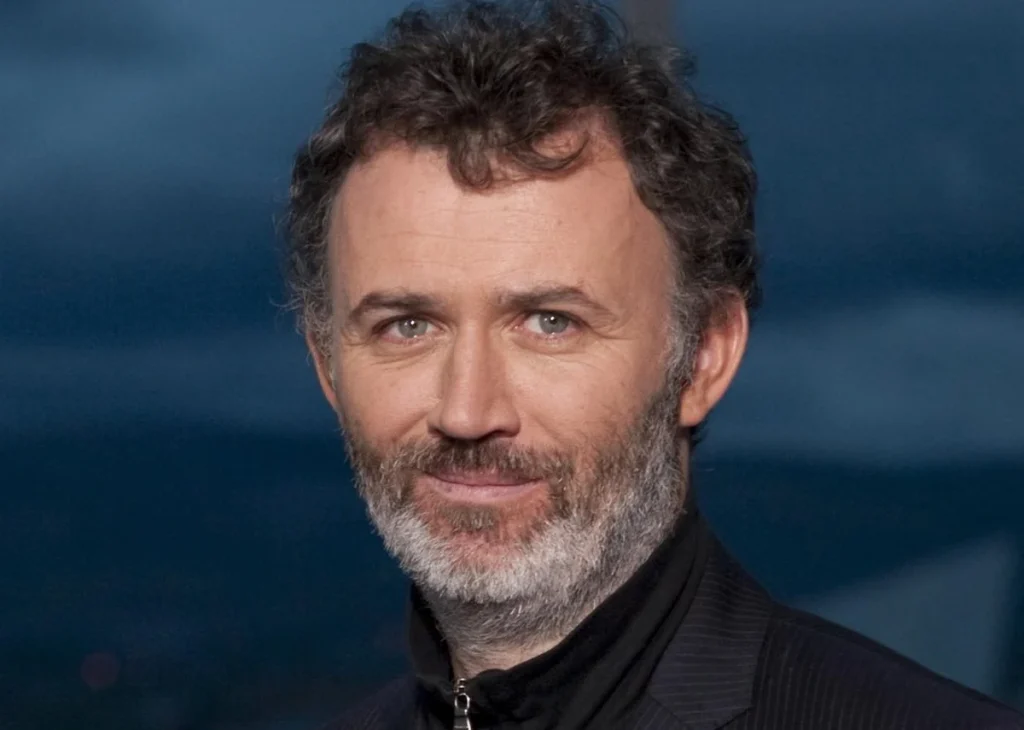
The joke, which involved taxi drivers and Dublin Zoo, offended some audience members. RTÉ presenter Emer O’Neill, who attended the performance, publicly expressed her disappointment.
The incident also attracted the attention of Free Now, a taxi-hailing company that sponsored The Tommy Tiernan Show.
The company subsequently ended its sponsorship of the programme, explaining that it was disappointed by the comedian’s comments about taxi drivers.
Tiernan apologised, acknowledged that the joke was offensive and removed it from his performance.
The incident highlights an important distinction. Comedians may enjoy considerable creative freedom, but their words can still affect people and organisations beyond the comedy stage.
When Our Jokes Cost Us in the Digital Age
The internet has changed the relationship between humour and consequences.
In the past, an inappropriate joke might have offended a handful of people in a room. Today, someone can record it, upload it and share it with millions of strangers within minutes.
Context can disappear along the way. A conversation between friends can become a public controversy. An old social media post can resurface years later. A comment intended for a small audience can reach employers, business partners and potential clients.
This does not mean every controversial joke should result in professional punishment. Nor should public criticism automatically become a reason to withdraw someone’s livelihood.
However, the speed at which information travels makes personal responsibility increasingly important.
For businesses, the stakes can be equally significant. Companies must consider whether their public representatives reflect their values and whether controversial associations could affect consumer confidence.
Consequently, celebrities, influencers and ordinary employees must recognise that their public identities can influence their professional opportunities.
Is Every Joke Worth the Risk?
There is a difference between making a joke, causing offence and deliberately encouraging harm. These situations should not attract identical responses.
People should retain the freedom to express themselves, challenge established ideas and use humour to question authority. Satire has long played an important role in society.
However, freedom of expression does not eliminate personal responsibility. People must also recognise that others can question, criticise or reject what they say.
Perhaps the bigger lesson is not that we should stop joking or become afraid of expressing ourselves. Rather, we should understand that words have audiences, meanings and consequences that may extend beyond our immediate intentions.
A joke may last only a few seconds. Its digital footprint can last much longer.
And sometimes, the laughter comes at a price.
READ MORE: Ballon d’Or 2026: Full Winners List as Harry Kane Claims Historic Award

About The Author