


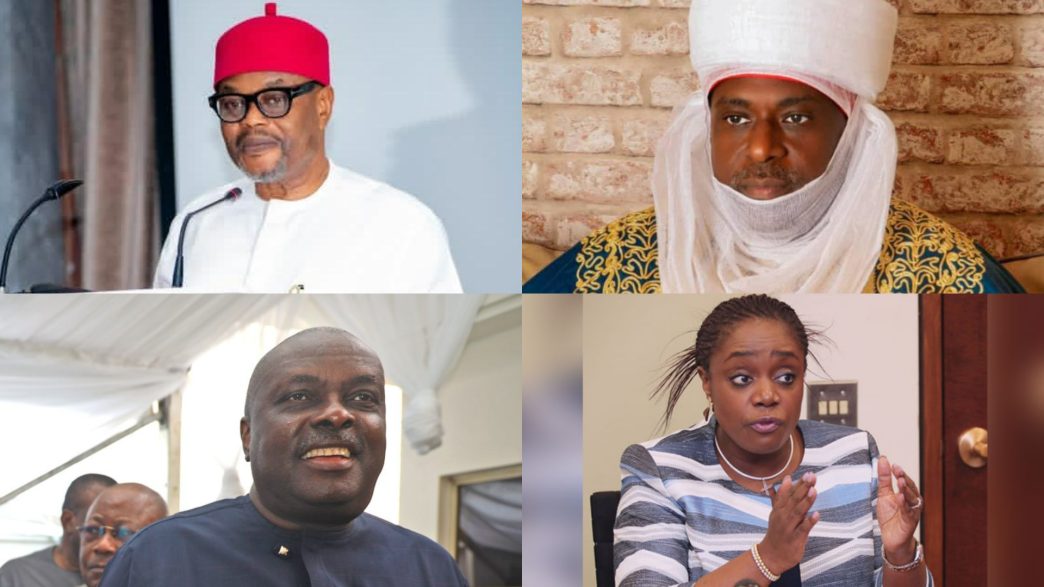
Uche Nnaji, a former Minister of Science, Technology, and Innovation, arrived at the Nnamdi Azikiwe International Airport on July 1, 2026, expecting to go home. Instead, operatives of the ICPC and DSS were waiting for him with a court-issued arrest warrant.
The charges were serious. Nnaji had allegedly forged his university degree and his NYSC discharge certificate. The University of Nigeria, Nsukka, confirmed that although he was admitted in 1981, it had no record of him completing his studies. They also stated that they “did not and consequently could not have issued the purported certificate”.
His case is the latest in a long and shameful Nigerian tradition. The vetting systems exist. The DSS screenings happen. The Senate confirmation hearings are televised. Yet, somehow, men with forged papers continue slipping through. Here are some of the most prominent cases where Nigerian officials were caught with false credentials after already holding government positions. 
1. Uche Nnaji: Minister of Science, Technology, and Innovation (2023–2025)

What he forged: a Bachelor of Science degree certificate, purportedly from the University of Nigeria, Nsukka, and an NYSC Discharge Certificate.
Nnaji was appointed minister by President Bola Tinubu in August 2023. During his Senate confirmation hearing on August 1, 2023, he claimed he graduated from UNN in 1985 and completed his NYSC in Jos in 1986. Premium Times’ two-year investigation found that his NYSC certificate contained an invalid serial number, a forged signature of a corps official who had not yet assumed office at the time of issuance, and showed a 13-month service period; corps members are statutorily supposed to serve for 12 months.
He resigned in October 2025 following these findings. He subsequently appealed the arrest warrant, but the ICPC apprehended him at the airport on July 1, 2026, with the assistance of the DSS. He is currently in ICPC custody in Abuja.
He served as a minister for over two years before resigning. The vetting machinery of the Nigerian state (the DSS, the Senate, the SGF’s office) did not catch it. But investigative journalists did.
2. Kemi Adeosun: Minister of Finance (2015–2018)
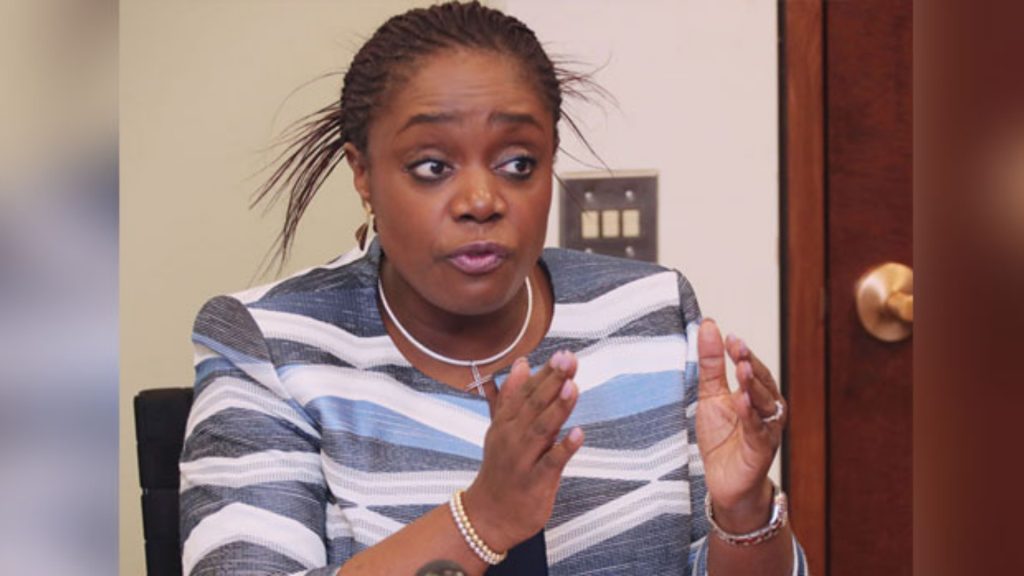
What she forged: An NYSC exemption certificate.
Kemi Adeosun served as Nigeria’s Finance Minister from November 2015 until September 2018, when she resigned amid revelations that she had presented a forged NYSC exemption certificate. In her resignation letter, she stated she was unaware the certificate was “not genuine”, saying she had obtained it through a third party.
She served for nearly three years as one of Nigeria’s most senior ministers before the forgery was uncovered. Despite resigning, she was never prosecuted. A Federal High Court later ruled in 2021 that an NYSC certificate was not constitutionally mandatory for ministerial appointments; this ruling effectively shielded her from criminal liability. She remains a clear example of how resignation in Nigeria often functions as a substitute for accountability rather than the beginning of it.
SEE ALSO: Nigerian Couple Jailed in UK for £433,000 Tax Fraud
3. Salisu Buhari: Speaker, House of Representatives (1999)
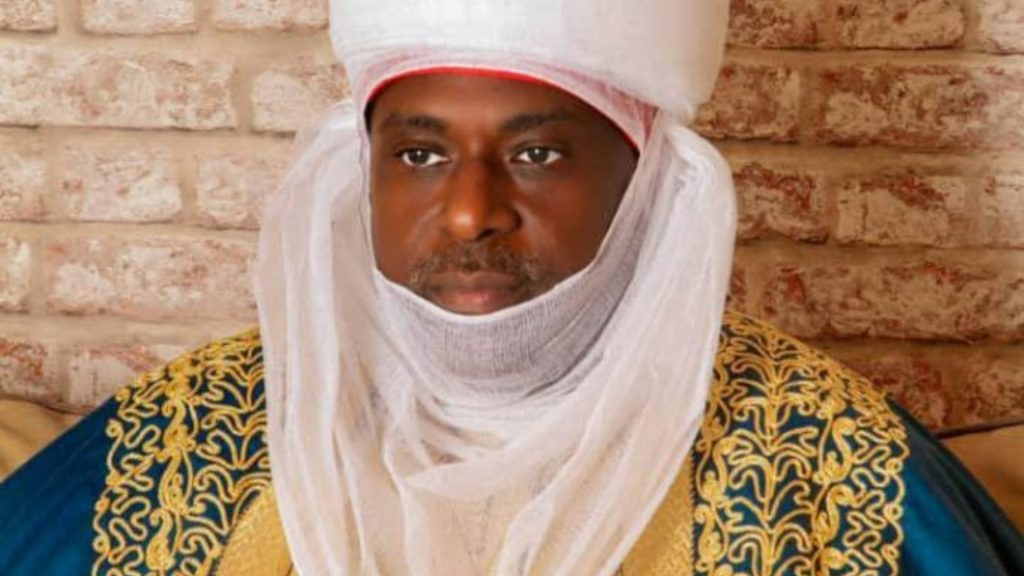
What he forged: A University of Toronto degree certificate and a falsified age.
Salisu Buhari was appointed Speaker of the House of Representatives in June 1999, which is the fourth-highest office in Nigeria. His tenure lasted six weeks. The News magazine revealed that he had falsified his educational qualifications and his date of birth. The University of Toronto confirmed it had no record of him ever attending the institution.
He had also claimed to have completed his NYSC at Standard Construction in Kano. That too proved false. He had forged his age from 1970 to 1963, because the constitution disqualifies anyone under 30 from membership of the House of Representatives, which he would have been at 29.
On July 23, 1999, cornered, he admitted to everything. He was convicted of certificate forgery and sentenced to two years’ imprisonment with the option of a fine. He paid the fine and was later pardoned by President Olusegun Obasanjo. In 2013, President Goodluck Jonathan appointed him to the governing council of the University of Nigeria, an appointment that drew widespread criticism and illustrated exactly how short Nigerian institutional memory can be.
SEE ALSO: Mompha’s ₦6B Money Laundering Verdict Set for October 15
4. James Ibori: Governor, Delta State (1999–2007)
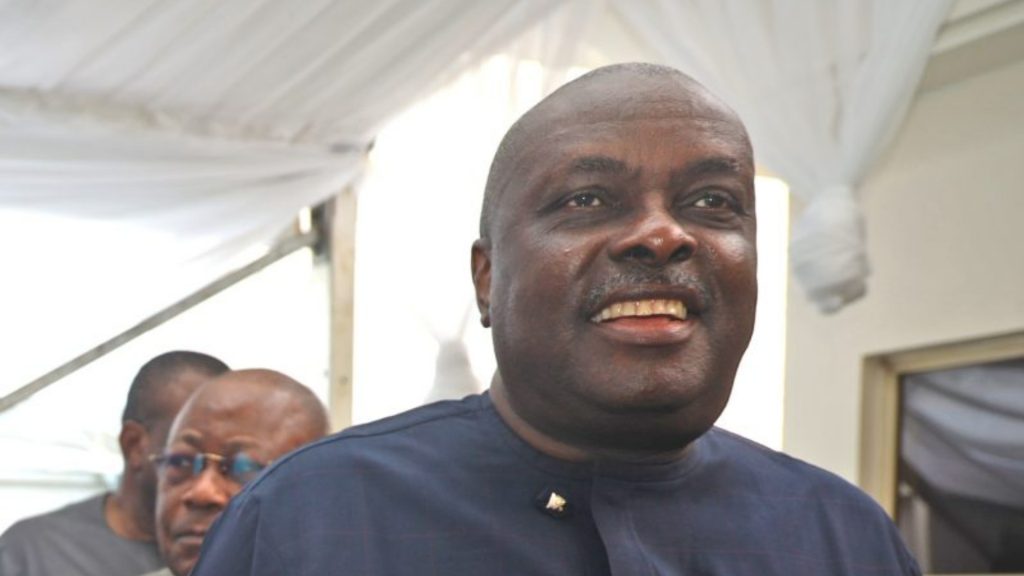
What he forged: His entire identity and academic history.
James Ibori’s case is the most dramatic on this list because what he forged was not just a certificate; it was himself.
Before becoming governor of Delta State, Ibori had a conviction in the United Kingdom in 1991 for theft, when he worked as a cashier at a DIY store in London and was caught stealing. He later entered Nigerian politics, became governor of Delta State for two terms, and was widely regarded as one of the most powerful political figures in the country during that period.
In 2012, Ibori was convicted in the United Kingdom on corruption charges, pleading guilty to ten counts of money laundering and conspiracy to defraud, charges relating to the theft of approximately $250 million from Delta State’s public funds. His prior UK conviction had never disqualified him from Nigerian public office because it was never discovered during his vetting. The man who stole from a hardware store in London went on to govern a Nigerian state for eight years.
He was sentenced to 13 years in prison in the UK, served six years, and was released in 2016. He returned to Nigeria, where he remains politically active.

About The Author