


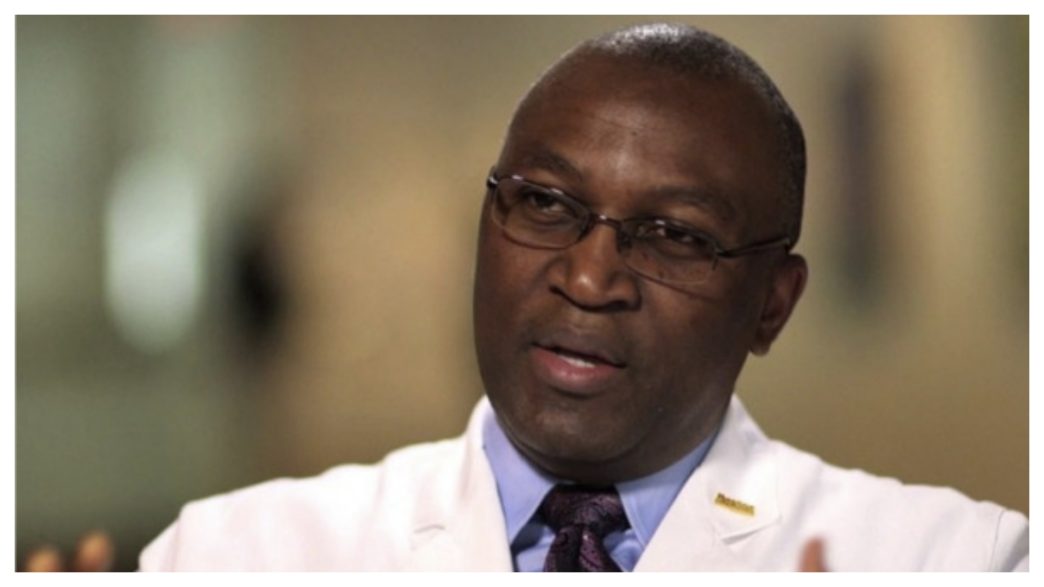
In October 2016, a team led by Dr Oluyinka Olutoye and Dr Darrell Cass performed emergency surgery on a foetus that was just 23 weeks and 5 days old. The foetus was partially removed from her mother’s uterus, operated on, and then placed back inside the womb to continue developing. Weeks later, she was born, in a sense, for the second time.
The Baby Who Needed Help Before Birth
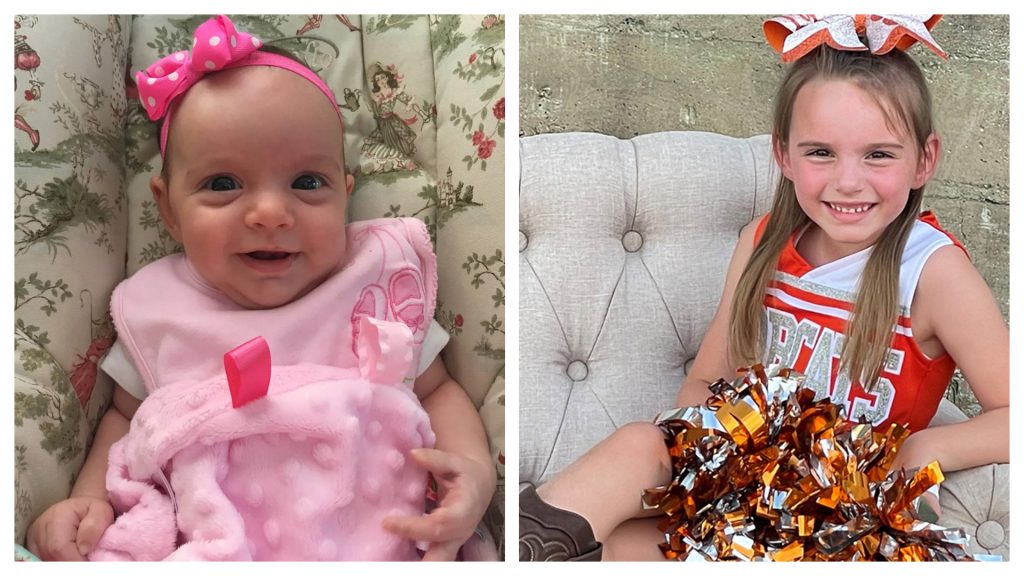
The baby’s name is Lynlee Hope Boemer, daughter of Margaret Boemer. Doctors discovered a tumour at the base of the baby’s tailbone when Margaret went for a routine ultrasound at just 16 weeks into her pregnancy. The growth was a sacrococcygeal teratoma, a tumour that develops near the tailbone, and in Lynlee’s case, it was aggressive enough that by 23 weeks, it had grown nearly as large as the foetus itself.
“Lynlee didn’t have much of a chance,” Boemer later said. At 23 weeks, the tumour was shutting her heart down and causing her to go into cardiac failure, so it was a choice of allowing the tumour to take over her body or giving her a chance at life. It was an easy decision for us. We wanted to give her life.”
A standard approach was not enough. The tumour needed to come out, and it needed to come out before birth, which meant the surgical team faced a problem that medicine had never fully solved.
The Surgery That Should Not Have Been Possible
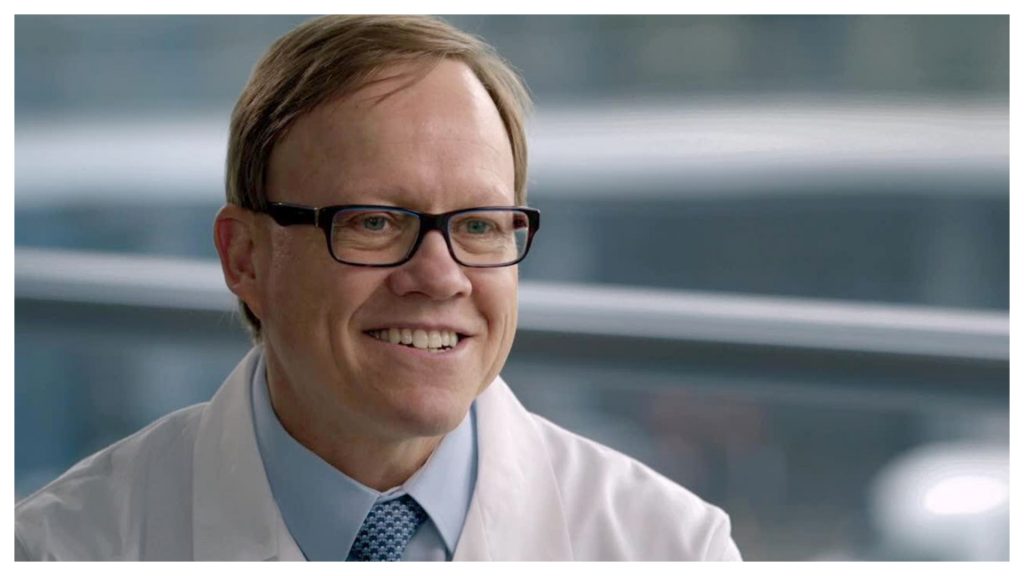
What Olutoye and Cass did next is the part of the story that still sounds unbelievable.
The team operated for about five hours. “The part on the foetus we do very, very quickly,” Cass explained. They opened the uterus, carefully and briefly removed the foetus while keeping her connected to her mother’s body for survival, and removed the tumour. During the procedure, the baby’s heart stopped at one point and had to be restarted, and she also required a blood transfusion.
Then, instead of continuing with a premature delivery, they placed the foetus back inside the womb and closed the uterus again.
The injuries from the operation healed, and Lynlee continued to grow inside the womb until she was born again at 36 weeks. She had been taken out, treated, and returned to finish what her body had started. It is hard to think of many other fields where something like that is even conceptually possible, let alone something a surgical team has actually pulled off successfully. 
SEE ALSO: Woman Dies After Bungee Jumping Staff Pushed Her Before Safety Line Was Secured
Who Is Oluyinka Olutoye?
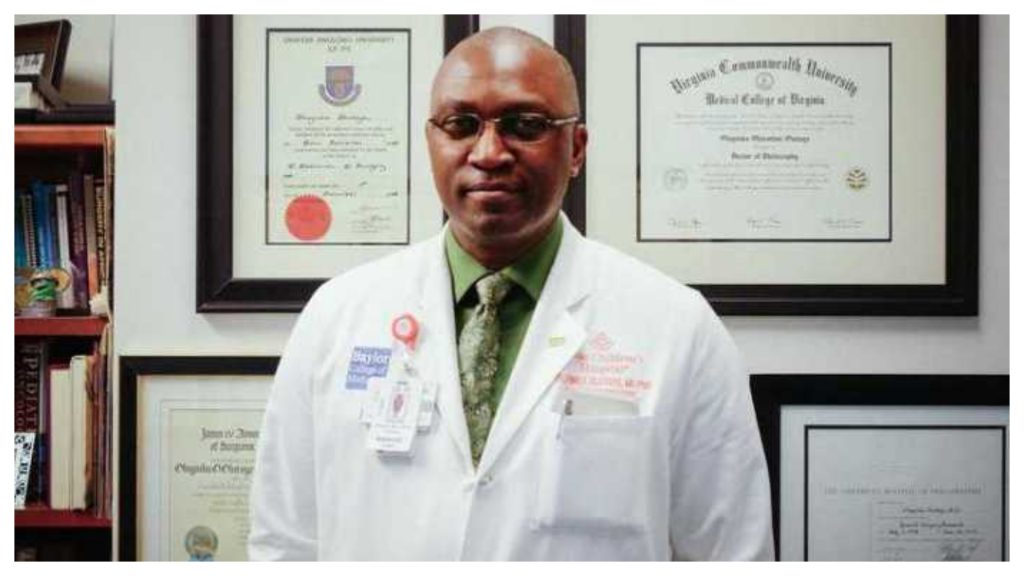
The man behind that surgery began his medical journey in Nigeria. He received his medical degree from Obafemi Awolowo University in Ile-Ife in 1988, before earning a PhD in anatomy from Virginia Commonwealth University in Richmond in 1996.
He completed his residency in general surgery at the Medical College of Virginia Hospitals and his fellowship in paediatric surgery at The Children’s Hospital of Philadelphia and the University of Pennsylvania School of Medicine.
At the time of the Lynlee surgery, Olutoye was serving as co-director of the Texas Children’s Foetal Center, alongside his role as a general paediatric surgeon. He later became chief of surgery at Nationwide Children’s Hospital in Ohio. Today, he also holds professorships in surgery, paediatrics, and obstetrics at Baylor College of Medicine and holds the E. Thomas Boles Jr Chair of Paediatric Surgery at The Ohio State University College of Medicine, where he continues to mentor the next generation of surgeons.
His professional credentials run deep. He is certified by the American Board of Surgery and holds fellowships with the Surgical Section of the American Academy of Paediatrics and the American College of Surgeons, as well as the West African College of Surgeons. He has served as president of the International Foetal Medicine and Surgery Society and holds memberships with both the American Surgical Association and the American Paediatric Surgical Association.
SEE ALSO: Nigerian Catholic Priest Sentenced to Life in Texas for Serial Sexual Assault
Recognition Back Home

When news of the surgery broke, the Nigerian government commended Olutoye through the Senior Special Assistant to the President on Foreign Affairs and Diaspora at the time, Abike Dabiri-Erewa. She said that then-President Muhammadu Buhari received the news with excitement and looked forward to meeting him.
In 2020, he received the Nigerian National Order of Merit Award—one of the country’s highest honours, reserved for scholars and innovators whose work has had a significant impact. His contributions have also been celebrated by the DAWN Commission and other Nigerian medical institutions.
SEE ALSO: The Ethiopian Woman Who Has Had No Food or Water in 16 Years (Doctors Confirmed)
Why This Story Matters
Beyond the Lynlee Hope case, Olutoye’s research continues to focus on the role of foetal inflammatory response in scarless foetal wound healing, developing animal models of congenital anomalies, in-utero correction of severe congenital malformations, and understanding how tumour cells interact with the body to better grasp tumour metastasis.
His work sits at the intersection of skill, timing, and an enormous amount of courage, the kind required to attempt a procedure on a patient who could not consent, could not be anaesthetised in any conventional sense, and was still, in every meaningful way, part of her mother.
What happened with Lynlee Hope was not just a triumph of technology. It was a demonstration of what becomes possible when a surgeon is willing to treat a foetus as a patient in their own right, deserving of intervention, deserving of a second chance, even before life has properly begun.
A Nigerian-trained doctor helped make that possible, which is worth remembering the next time anyone questions what Nigerian-trained professionals are capable of on the world stage.

About The Author