


There was a time when borrowing airtime felt like an emergency option. Your credit finished unexpectedly, you needed to make one important call, so you borrowed ₦100, made the call, and moved on.
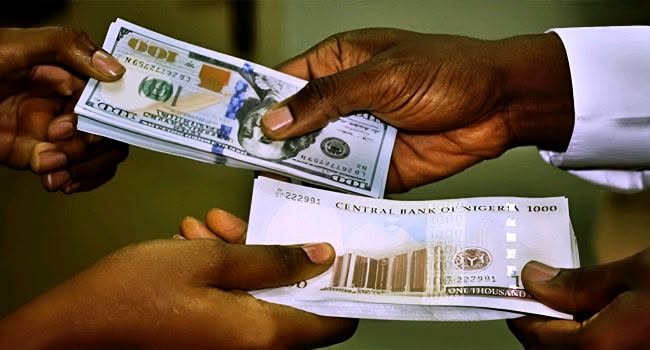
Today, however, that reality looks very different. Recent industry figures show that Nigerians borrowed airtime and data worth an estimated ₦4.6 trillion—a number that reveals just how dependent many people have become on credit just to remain connected.
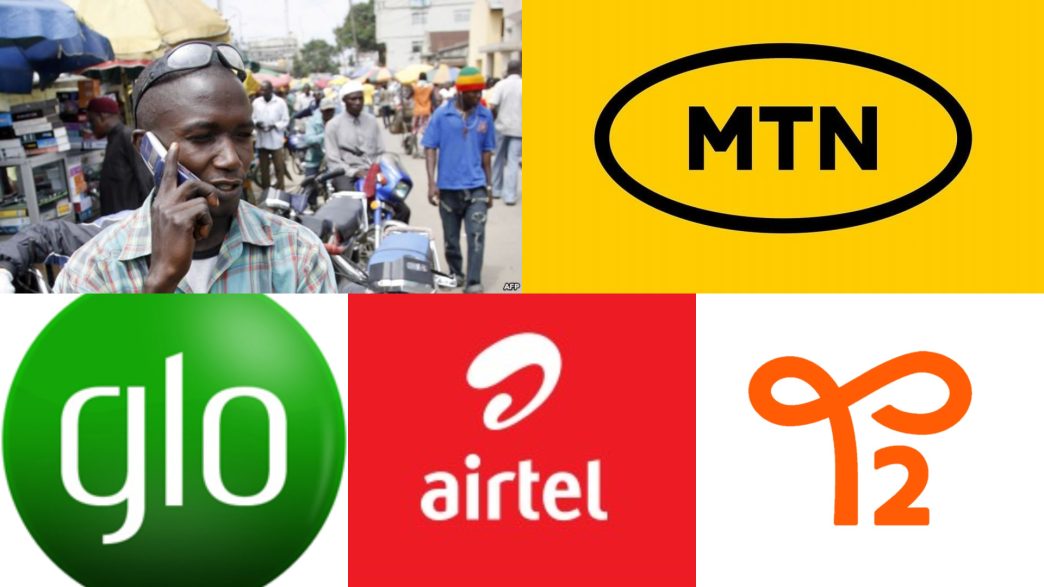
These figures, sourced from the 2025 consolidated financial statements of fintech company Optasia, shows a massive regional trend. Optasia, which partners with telecom operators to give out airtime loans and advances to subscribers, stated that airtime credit issued globally through telecom operators rose by 12.3 percent, from $2.83 billion in 2024 to $3.18 billion in 2025. 

According to the report, “Airtime credit services represent service fees charged on airtime credit amounting to $3,176.34m (2024: $2,829.2m) granted to subscribers of the telecom operators during the year.” Africa emerged as the absolute biggest market for the service, accounting for $2.99 billion, or 94.2 percent, of all airtime credit issued during the year. This figure was significantly higher than the $2.53 billion recorded on the continent in 2024.
Against this financial backdrop, it becomes clear why borrowed airtime is no longer about convenience for millions of Nigerians, it is about necessity. Consider the trader waiting for a customer to call, the student trying to submit an assignment, the dispatch rider confirming a delivery, or the job seeker responding to an interview invitation. When people cannot afford something as basic as phone credit until their next recharge, it raises a bigger question: How much financial pressure are people really under?
The growth of airtime lending directly reflects this wider economic reality. Prices have increased across transport, food, electricity, rent, and internet services. Many households now prioritize essential expenses first, leaving communication expenses to be managed however possible.
This is precisely why airtime and data borrowing became so popular. Telecom operators built entire services around it, where a few clicks could provide emergency credit, with repayment deducted automatically during the next recharge. For many users, it became a vital financial safety net.
Indeed, industry estimates suggest tens of millions of Nigerians regularly use these services, making airtime lending one of the country’s most widely used forms of microcredit. Airtime borrowing has become so common, in fact, that many people no longer see it as borrowing at all; it is simply part of daily life.
This reality became obvious earlier this year when regulatory disputes temporarily disrupted airtime lending services. The immediate reaction from subscribers showed just how many people had come to depend on the service.
The conversation, therefore, goes far beyond telecommunications. A country where millions regularly borrow airtime is also a country where many people are carefully stretching every naira. It does not automatically mean poverty, but it does point to severe financial strain. Because airtime is one of the smallest expenses most people have, when even that expense increasingly requires credit, it tells a story that extends far beyond phone calls.
ALSO READ: In a Room of 10 Nigerians, 5 Use MTN: Analysing NCC’s Recent Stats
SEE ALSO: MTN Defends Data Charges, Says Nigerians Should Manage Data Usage

About The Author