


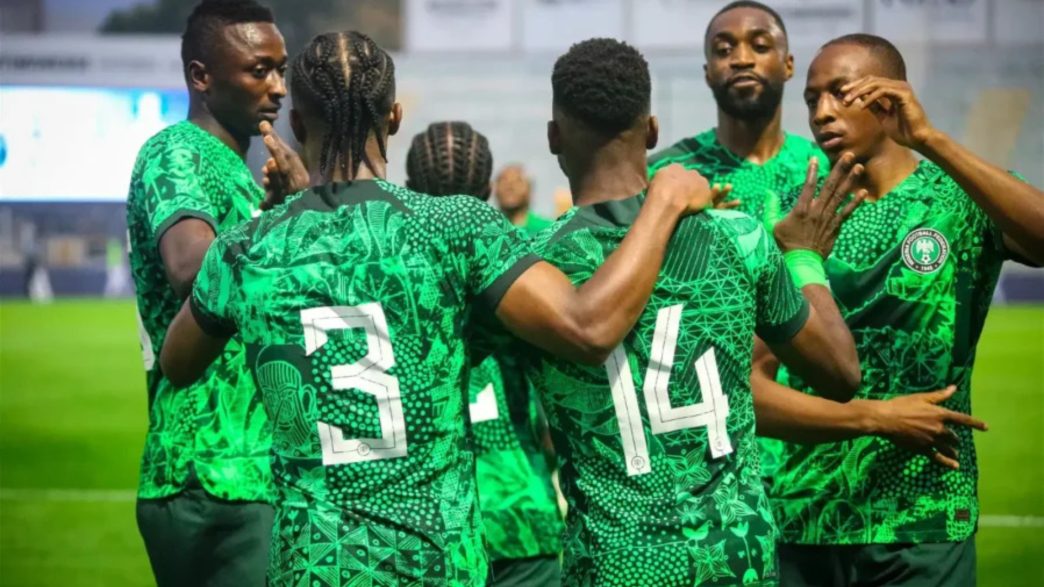
Jolomi Jones (not his real name) had saved for 8 years for football and sports’ biggest spectacle – FIFA World Cup, but he will not be attending for two reasons. One is Nigeria’s absence from the second consecutive edition and two is Donald Trump’s especially draconian terms for Nigerians visiting the United States, one of the three host nations.
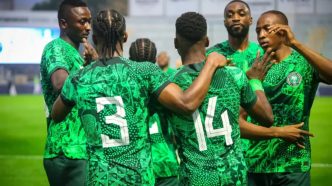
It’s not only Jolomi who is feeling the pain of Nigeria not qualifying for the World Cup. The Super Eagles’ consecutive World Cup absence from the tournament is being felt beyond the pitch.
The emotional cost of missing the 2026 World Cup is a cocktail of collective national heartbreak and profound personal grief for both the players themselves and the fans. For fans of the Super Eagles around the world —it represents a fractured cultural identity and a deep sense of national disappointment. But it doesn’t end there. It also has far-reaching effects on the nation at large; from financial implications to stifled economic growth, it impacts a dying tourism sector and mutes entrepreneurial spirits.
Locked Out of The Biggest Show on Earth
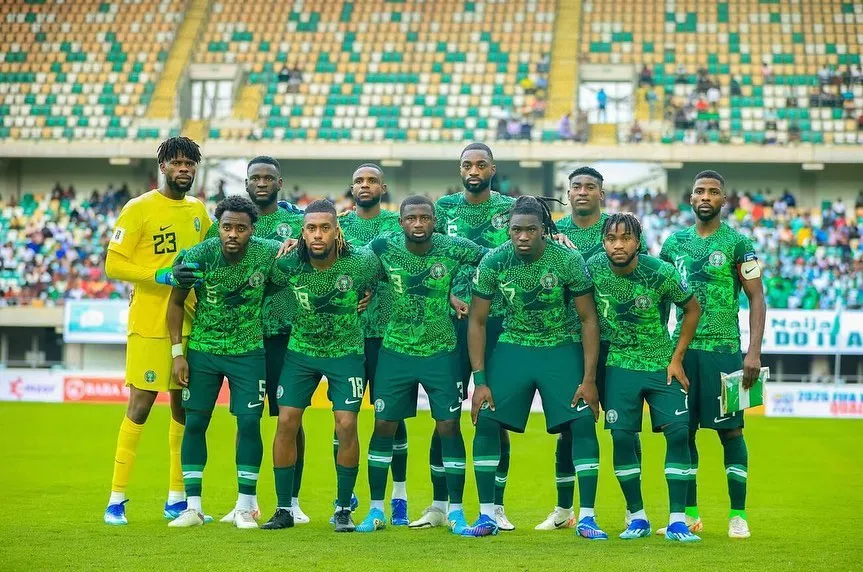
Apart from this year’s World cup being dominated by high ticket prices, visa difficulties, U.S immigration restrictions and expensive travel costs, even between venues; which have made it challenging for Nigerians who are seeking a visa to attend the tournament hosted in the U.S.A, Canada and Mexico; the failure of the Super Eagles to qualify affects Nigeria especially in an era where football has become a global sensation benefitting countries in tremendous financial terms. Soccernet reports that the tournament expansion to 48 teams will garner record revenues exceeding $11 billion for FIFA with projected prize money expected to increase significantly.
In practical terms, Nigeria’s failure to qualify for the 2026 World Cup shut the door on revenue of between $12m and $15m, according to soccernet, which is the minimum teams eliminated from the World Cup in the first round are projected to earn.
The Businesses Feeling The Super Eagles’ Absence
Some businesses that traditionally benefit from football’s biggest tournament are taking stock of what the Super Eagles’ failure to qualify means for their revenue. From travel agencies and sportswear vendors to viewing centre operators, the economic impact of the World Cup appears mixed, creating both challenges and a few opportunities. 
A Generation Forced to Watch from the Sidelines
Nigeria’s absence goes beyond businesses. Football stars who should have showcased their talents at the global games have lost the opportunity until the next World Cup in 2030. A former Super Eagles star, Edema Fuludu, who was part of the team in the U.S.A ‘94 World Cup, said that some of them who are currently at their prime like Victor Osimhen and Ademola Lookman may not have that opportunity since age would have caught up with them. Another former Super Eagles player, Paul Okuku, described the inability of the Super Eagles to qualify as a national football tragedy.
The Journey Nigeria Never Embarked On
For travel agencies, Nigeria’s absence represents a missed opportunity. BusinessDay reported in 2022 that Nigerian travel firms missed out on World Cup-related business opportunities, after the Super Eagles failure to qualify for the tournament in Qatar. The CEO of a travel company, Famak Travels, stated at the time that if Nigeria had qualified, many agencies would have advertised World Cup packages; but demand was significantly lower because the Super Eagles were absent. The current situation mirrors 2022 because travel firms will miss out on ticket sales, hotel bookings and tour packages that would ordinarily accompany a Super Eagles appearance.
Can Cheaper Subscriptions Replace National Excitement?
However, it is not a totally bleak situation. Viewing centers in many places across the country are preparing for the games.
Although there is a low enthusiasm, a lot of people will still visit these centers to watch matches, especially the teams they are supporting. Just a few days ago, AllAfrica reported that as part of StarTimes Nigeria “Watch the World Cup Win Big” campaign, the company officially announced the full coverage of the World Cup matches, bringing all 104 matches of the World’s biggest tournament LIVE to millions of fans nationwide.
ThisDayLive reported that Multichoice has also rolled out special World Cup bundle offers on DStv and GOtv to give more Nigerians access to football’s biggest event. According to a statement released Multichoice; from Monday, 1 June 2026, new DStv customers “can purchase an HD decoder, dish kit and one-month DStv Yanga subscription for ₦15,000, while new GOtv customers can get a GOtv decoder, antenna and one-month GOtv Jolli subscription for ₦15,000.” These aggressive price slashes are a direct corporate response to the national mood – an attempt to manufacture viewer enthusiasm where organic patriotism is missing.
Viewing centre operators will benefit from the DStv and StarTimes World Cup promos, which make acquiring or upgrading decoders much more affordable. The question remains if these efforts by the media houses will make a difference in enthusiasm and patronage by fans to the centers that will be showing all 104 matches.
The Jerseys That May Never be Sold
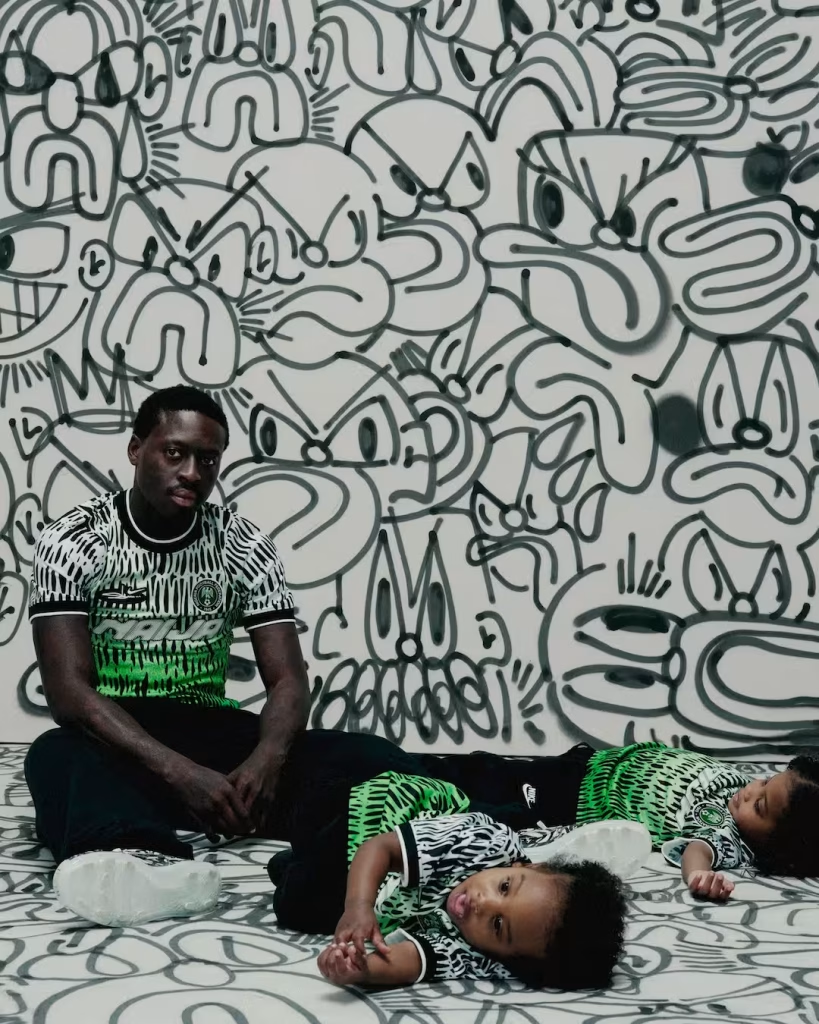
The World Cup jersey market is booming globally with numerous reports about demand for national-team jerseys and merchandise ahead of kickoff. Industry observers argue that Nigeria’s absence affects merchandise sales. Brila.net reports that during the 2018 cycle, Nigeria’s jersey became a global sensation with millions sold worldwide. Interestingly, Nike still released Nigeria-themed 2026 home and away jerseys despite the team’s failure to qualify. The jerseys are stocked on the FIFA store, but the absence from the tournament has weakened that momentum completely. Many fans will not be enthusiastic about buying the jerseys and the merchants will record low patronage and revenue within this period when their businesses should have boomed ordinarily.
When Advertisers Lose Their Biggest Football Stage
Advertising and media houses are also affected by Nigeria’s absence from the World Cup which costs the local advertising and marketing industry millions of dollars in expected billings. Without the Super Eagles’ participation, domestic brands cancel or downscale their high-budget tournament campaigns, leading to a massive drop in media spend, sponsorship activations, and public engagement opportunities.
Football in Nigeria is much more than a sport. It is a unifying force across social, religious, ethnic, cultural and political divides. Even the football argument will not hit as usual. Without our own skin in the game, Nigerian fans lose their premium bragging rights, rendering the usual football banter hollow and stripped of its bite.”
Ultimately, the true tragedy of Nigeria’s absence from the 2026 World Cup isn’t just a missed sporting trophy; it is the silence where a nation’s roar should be. For the Nigerian fans, this tournament is a harsh reminder that while the world moves on and the ball keeps rolling, a piece of the country’s collective soul remains stranded on the qualifiers’ pitch, waiting for the next four years to feel whole again.”
ALSO READ: How US Treated Foreign Players Ahead of the 2026 World Cup

About The Author