



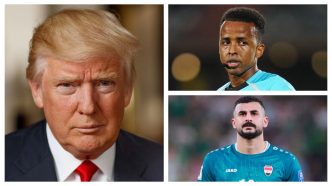
The 2026 FIFA World Cup kicks off tomorrow across the United States, Canada, and Mexico, one of the most expanded edition in the tournament’s history, with 48 teams and a host nation that has spent years positioning itself as the proud centre of global football’s biggest moment.
Yet, in the days leading up to kickoff, the story coming out of America’s airports has been less about the beautiful game and more about something considerably uglier.
The Iraq Situation
Iraq is returning to the World Cup for the first time in 40 years. This alone is a story worth celebrating, a nation coming back to the global stage after four decades, carrying the hopes of millions of people who have lived through war, displacement, and hardship. Their star striker, Aymen Hussein, scored the goal that sent them there. 
When that same man landed at Chicago’s O’Hare International Airport, he was separated from his teammates by the US Customs and Border Protection officers and held for questioning.
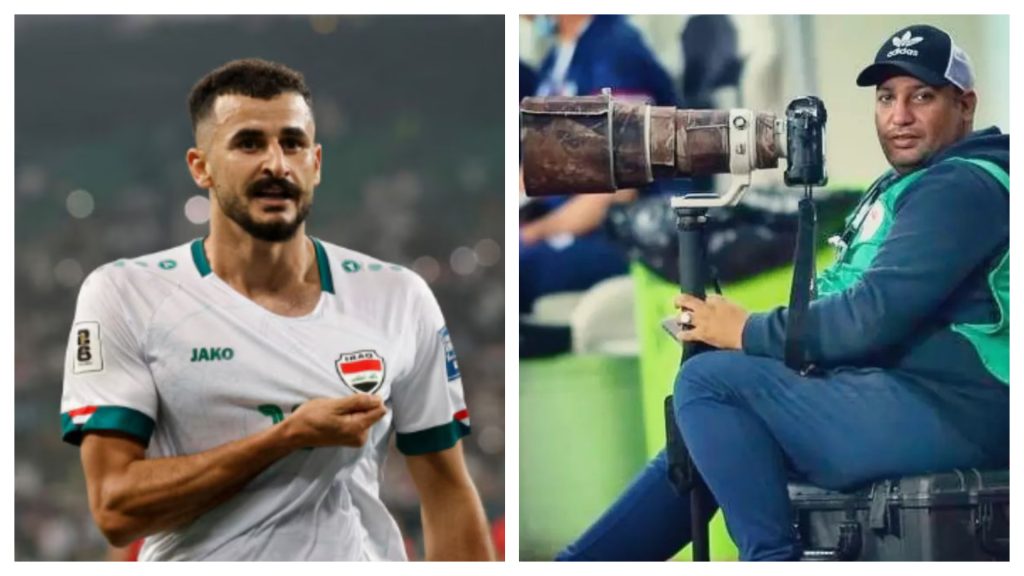
Hussein was detained and questioned for nearly seven hours. Authorities inspected his mobile phone before eventually allowing him to enter the country. An Iraqi American fan who had travelled from Houston to watch the match told CBS Chicago: “Everybody in Iraq, they’re talking about this.”
The team’s photographer, Talal Salah, had it worse. He was held for more than ten hours, underwent similar phone checks, and was ultimately denied entry into the United States. CBP confirmed that the photographer was determined to be inadmissible and was denied entry due to “vetting concerns,” without elaborating further.
Iraq’s logistical nightmare had actually been building for months. With airspace disruptions caused by the ongoing Iran conflict, the team’s head coach Graham Arnold was stranded in the UAE, unable to leave. Staff members struggled to obtain visas, and the team has been forced to commute from Mexico for their matches to avoid further diplomatic complications.
The Senegal Searches
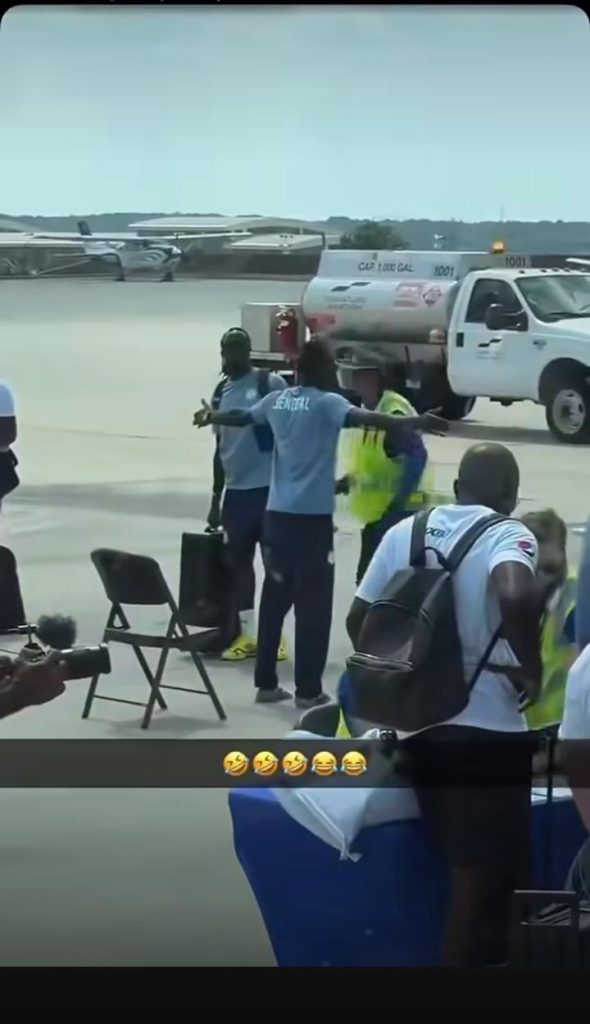
Iraq was not the only African and Middle Eastern team to feel the weight of American border security ahead of the tournament. Reports from the Senegalese delegation described their arrival as a thorough and, by some accounts, degrading experience, with the entire squad subjected to searches that went beyond standard protocol and left players and officials visibly uncomfortable.
Senegal, one of Africa’s strongest football nations and a genuine tournament contender, arrived to play football. The reception they received set a tone that has not sat well with much of the football world.
SEE ALSO: World Cup 2026 Winner Prediction: Top 5 Teams Most Likely to Lift the Trophy
The Referee Who Never Got to Referee
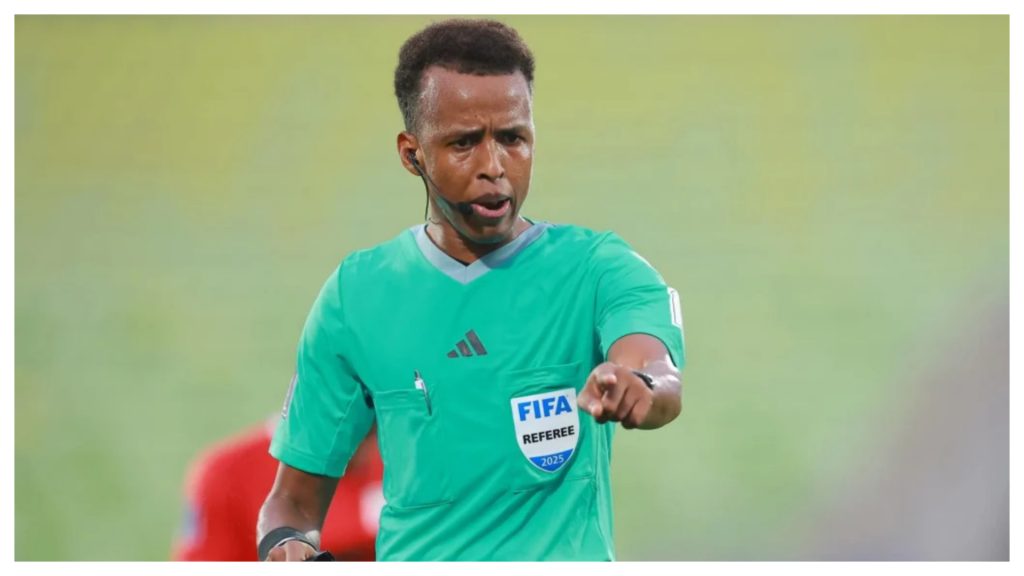
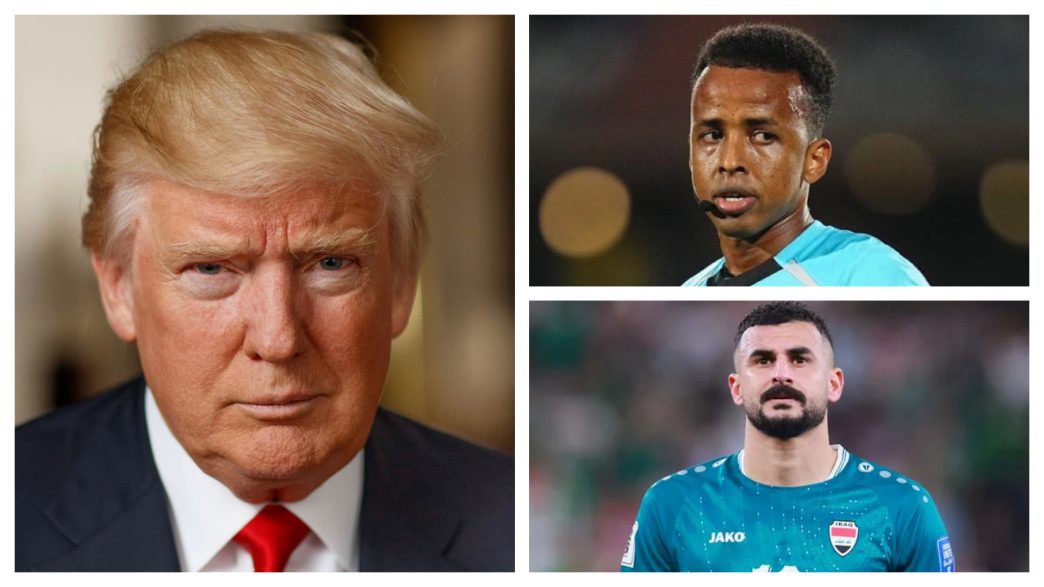
Perhaps the most symbolically damaging case of all involves Somali referee Omar Artan. He had been selected to officiate at the tournament, a significant achievement for African football officiating. The Somali embassy, understanding the sensitivity, issued him a diplomatic passport.
He was still denied entry, questioned and ultimately sent home, diplomatic passport and all. As of now, he will not be officiating at the tournament he was selected for.
A diplomatic passport, issued specifically to ease the path of an official representing his country at a global sporting event, was not enough.
SEE ALSO: Why the 2026 World Cup is Special – and How to Catch Every Minute of it
The Broader Picture
Iran’s Football Federation had earlier threatened to boycott the World Cup draw entirely after the US denied visas to several of its senior officials, including federation president Mehdi Taj. Tehran described the move as “non-sporting.” FIFA was formally notified.
Taken together, this is a pattern not isolated incidents. A host nation co-organising the most inclusive World Cup in history has spent the days before kickoff turning away photographers, detaining star players, blocking referees, and preventing some fans from attending.
FIFA’s position as the governing body of global football requires it to guarantee that all 48 participating nations can compete with dignity and full logistical support. Whether it will formally address what is happening at American borders, and what consequences, if any, follow, remains to be seen.
For now, the World Cup begins tomorrow. Some teams will arrive at their stadiums with full squads, full support staff, and fans in the stands. Others will arrive having already been told, in various ways, that their presence there is conditional.

About The Author