



For those who missed it, Blood Sisters was a four-part Netflix miniseries that dropped in 2022. The story followed two best friends, Sarah and Kemi, who accidentally kill a groom during his wedding reception. What followed was a tense, stylish thriller about secrets, family loyalty, and the desperate lengths people go to protect the ones they love.
By the close of Season 1, and in one of the most emotionally charged moments of the series, Timeyin turned to her mother and asked for a chance, a simple, raw plea from a daughter who had spent her whole life performing for a family that never truly saw her. Season 2 answered that plea in the most Timeyin way possible. She did not just get a chance, She took over. The woman the audience watched unravel in the first season was now the one running the company, standing at the head of the table she had always been told she had no right to sit at. It was a full-circle moment that reframes everything that came before it.
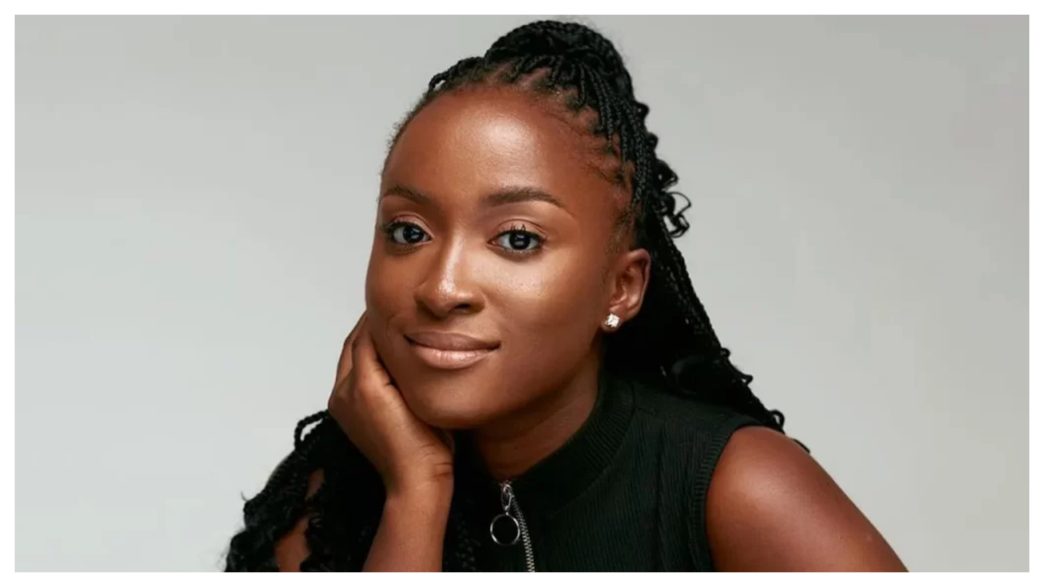
Who is Genoveva Umeh
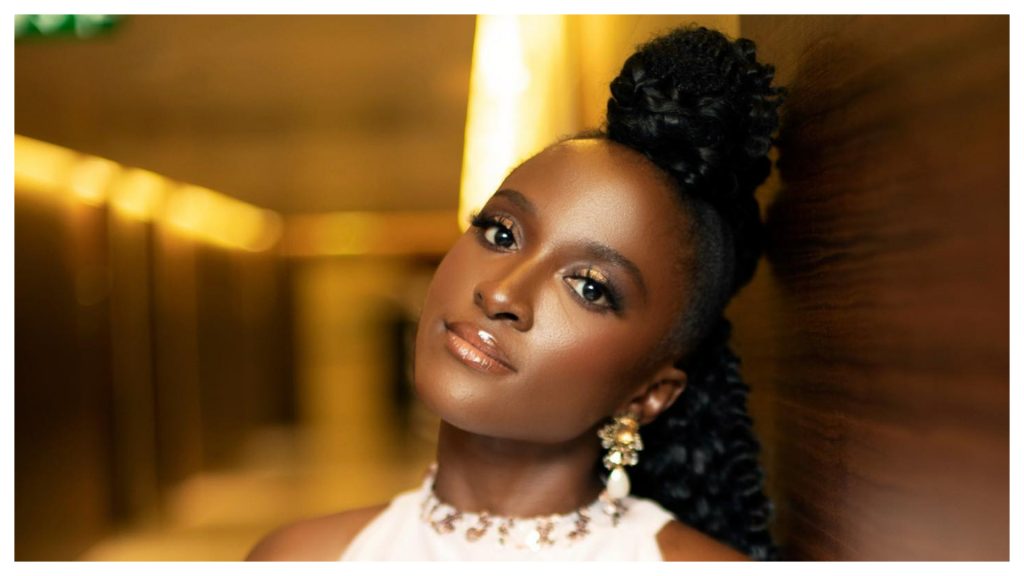
Genoveva Umeh was born on May 8, 1995. She fell in love with acting while in secondary school and pursued the craft by completing a term at the part-time drama school, The Identity School of Acting, UK, in 2012. She performed several plays at the Hammersmith Theatre in London during summer holidays. Afterward, she obtained an LLB Law degree from the University of Surrey, England, graduating with honours. 
At the 2024 AMVCA, Genoveva won the Best Supporting Actress award for her role in the Prime Video Original, ‘Breath of Life’. That win cemented her place as one of the most versatile actresses of her generation. She could play a grieving sister, a corporate shark, an addict, or a hero. Audiences never knew which version of her would show up next.
Recently, a fan on Snapchat asked her a question about her role as Timeyin: “Was it difficult transitioning from your normal sane self to portraying the drug addicted Timeyin, then having to be the business oriented Timeyin again? If yes, what helped you switch effortlessly as shown on TV?”
How She Prepared For The Role
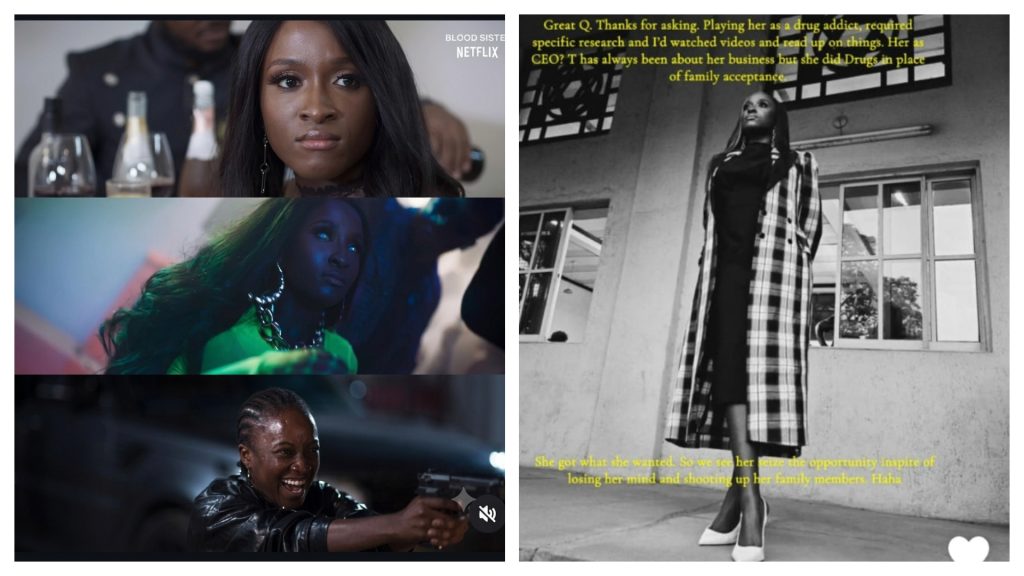
Genoveva answered honestly, she did not rely on acting alone, she did the work.
“Playing her as a drug addict required specific research,” Genoveva wrote. “I’d watched videos and read up on things.”
Genoveva studied real people, and watched documentaries about addiction. She read about how dependency warps the mind, how it hides beneath success, how it destroys even the most accomplished individuals. The research was not easy, But she did it anyway.
As for the CEO version of Timeyin, Genoveva explained that the character never stopped being business-oriented. “T has always been about her business,” she said. “But she did drugs in place of family acceptance.”
SEE ALSO: Blood Sisters Season 2 Is Finally Here! Was it Worth the 4-Year Wait?
What Helped Her Switch So Effortlessly
The fan asked specifically about the transition between both versions of Timeyin. How did she switch so smoothly?
Genoveva’s answer was surprisingly simple. “She got what she wanted. So we see her face the opportunity in spite of losing her mind and shooting up her family members Haha.”
She explained that once Timeyin achieved what she wanted, the mask of control started slipping. The CEO and the addict were never separate people. They were the same woman, just at different stages of losing control. Genoveva did not switch between characters. She played one person falling apart in real time.
SEE ALSO: Miss Bayelsa Karibi-George Crowned Miss World Nigeria 2026
The Bottom Line
What made Timeyin resonate so deeply with audiences was precisely the duality Genoveva described. She was not a villain in the traditional sense, But she was a woman shaped by damage, privileged damage, (which Nigerian culture rarely discusses openly), whose choices became increasingly catastrophic. The CEO version of Timeyin was not separate from the addict version. They were the same person at different stages of the same wound.
Genoveva’s preparation, the research, the videos, the deliberate psychological mapping of what drove each version of the character is what made that continuity visible on screen. The two Timeyins felt connected because the actor playing her understood that they were never really two people at all.

About The Author