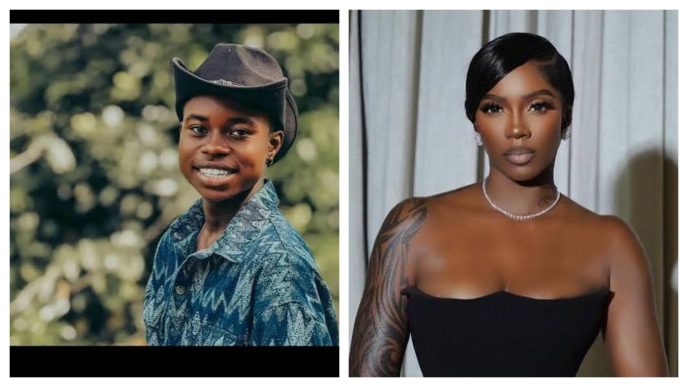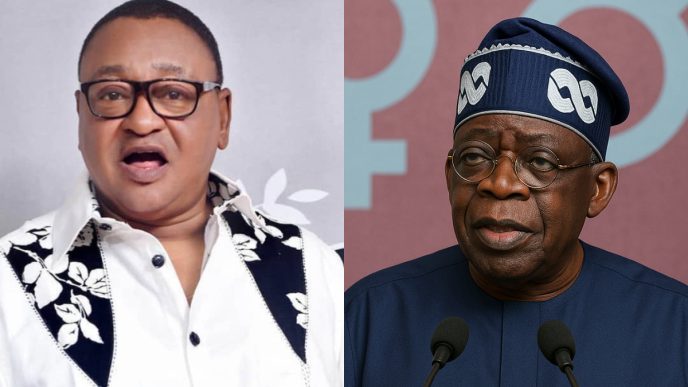



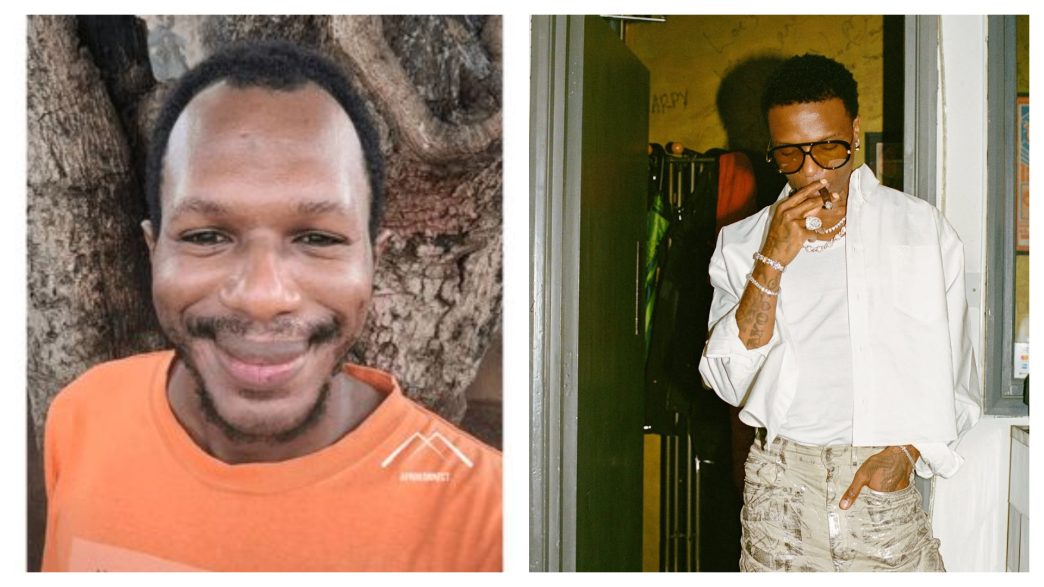
Daniel Regha has called out Wizkid over what he described as the singer’s silence under President Bola Tinubu’s administration.
In a post shared on X, Daniel questioned why Wizkid, who was highly vocal during Buhari’s government, has not been as outspoken now that President Tinubu is in power. According to him, the singer went from constantly criticising Buhari to completely ignoring the current administration, despite the fact that economic conditions have arguably worsened.
Wizkid should be called out even more than Davido for his deliberate silence all these years. Went from cvrsing out Buhari nonstop to ignoring now that his own person (Tinubu) is in power, and to make matters worse, Buhari's regime wasn't this bad; Tinubu's administration is…
— Daniel Regha (@DanielRegha) May 31, 2026
Hypocrisy or Privacy?
His main point was simple: if celebrities could speak boldly when Buhari was president, they should not suddenly fall silent simply because “their own person” is now in office.
Daniel also accused Wizkid of double standards, adding that many of these entertainers would later try to claim Fela’s mantle despite refusing to speak up when it actually matters.
The post has reopened a familiar conversation about Nigerian celebrities and selective activism. During the EndSARS protests and Buhari’s administration, many entertainers were praised for using their platforms to speak on governance, police brutality, insecurity, and hardship. However, in recent years, fans have increasingly accused certain celebrities of becoming quieter, even as inflation, insecurity, and public frustration continue to grow.
For Daniel, the issue is not just silence—it is selective silence.
His argument is straightforward: if an artist could speak loudly under one government, fans have a right to ask why that same voice has faded under another, especially when the structural issues facing the country remain unchanged.
But Wizkid’s fans did not all agree with him.
Some argued that Wizkid’s silence does not automatically imply support for the government. They believe he may simply be choosing privacy, his family, his music, or total distance from Nigerian political drama. To them, the responsibility for governance belongs strictly to politicians, not musicians.
One fan argued:
“Say he speaks up, that will change Tinubu’s mind? Calling out celebrities instead of the people in power (the government, the police, the army) is not the solution to our problem. With or without the celebrities, let’s kick out this bad government.”
Others felt Daniel was being selective too. Some fans argued that Nigerian celebrities face a lose-lose situation, targeted whether they speak or stay silent. If they speak, they are accused of chasing clout; if they keep quiet, they are branded as cowards or hypocrites.
One X user, Justkemzy, pointed to Davido as an example, commenting:
“Davido wey speak up, y’all went ahead to criticize the innocent man.”
Ultimately, this conversation extends far beyond Wizkid. It questions whether Nigerian celebrities only speak when it is convenient, safe, or when the administration in power holds no personal or political ties to them.
It also raises a deeper question: Are fans demanding accountability from celebrities because they genuinely believe in their influence, or because it is simply easier to hold an artist to account than to confront the politicians who actually wield power?
Daniel’s argument is that influence must come with consistency. Wizkid’s fans counter that governance is simply not his job. Somewhere between both sides lies the real dilemma: Nigerians want their icons to speak up, but they rarely agree on what should happen after they do.
ALSO READ: How Seun Kuti and Wizkid Feud Highlights Age Gaps, Fandom, and Forgetting Our Legends

About The Author