


Artificial Intelligence has become impossible to ignore. From laptops, smartphones, online searches, music recommendations, customer service chats and even writing tools, AI is shaping modern life at an absolutely unprecedented rate.
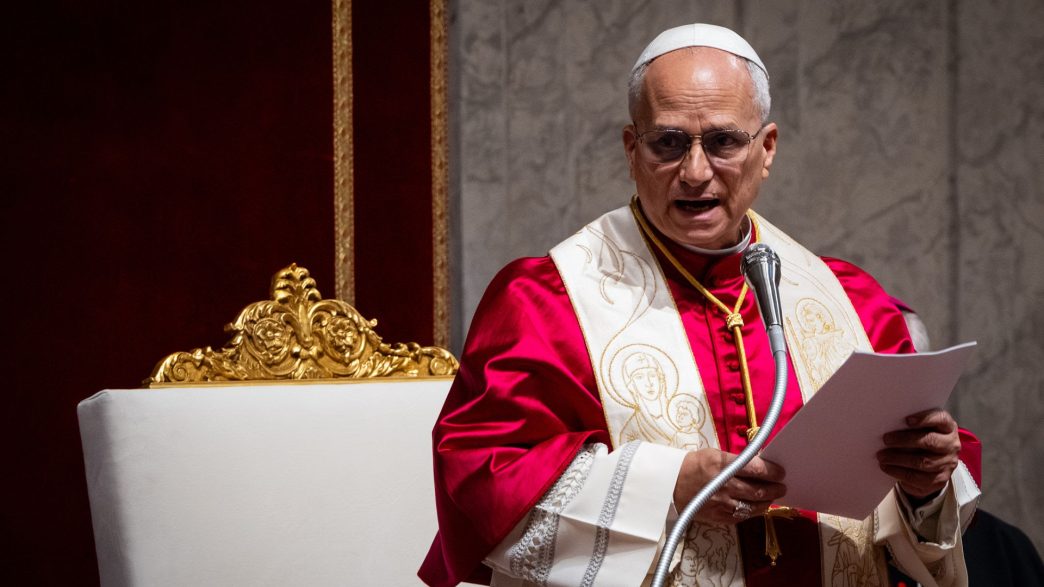
Religious leaders have always spoken out on themes that cut across human dignity, ethics, truth and loneliness. So when the Pope recently raised concerns about AI, reactions came very quickly. Some people praised him for speaking up about the dangers of technology, while others dismissed the comments as another example of older generations fearing innovation.
But perhaps people are missing the real point.
Pope Leo’s concerns about AI do not appear from a hatred for technology itself. Instead, it looks like his concerns are rooted in something deeper: the fear that humanity may slowly lose important parts of itself while racing towards convenience and progress.
Young People and Artificial Intelligence
The world of technology today seems to have been created especially for young people who are adopting it at a neck breaking speed. For young people, AI already influences daily life much more than they realise which plays out in the way algorithms decide what people watch, what news they consume, what music they listen to and sometimes even how they think. Social media platforms use intelligent systems to keep people glued to entertainment. A teenager can now spend hours engrossed in AI-curated content without realizing how heavily his emotions, opinions and attention span is influenced. This shows that AI learns habits, emotions and preferences with astonishing accuracy!
Benefits of AI
AI is a revolutionary force that has been proven to improve human life. In many ways AI has made life easier. Students can research faster. Businesses can operate more efficiently. Doctors can analyze medical data more accurately. Artists, writers and creators now have tools that can facilitate and polish their work in seconds. For developing nations, AI could also create opportunities in education, healthcare, industry and businesses that were previously unimaginable. 
The worrisome parts of AI
Yet the concerns are quite difficult to ignore. Deepfake videos and AI-generated misinformation are becoming increasingly convincing, making it difficult to distinguish between what is real and what is not.
Online scams powered by AI are growing more sophisticated.
With many lay offs in the recent past, many workers worry that automation may eventually replace even more jobs. Human interaction itself is changing as people spend more time on devices and less time connecting with other people.
Pope Leo’s Call To ‘Disarm’ Artificial Intelligence
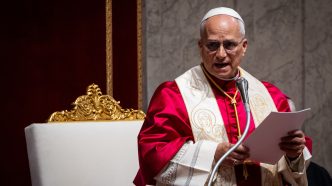
In his first encyclical titled “Magnifica Humanitas (Magnificent Humanity), Pope Leo condemned the use of AI in warfare, stating that ‘No algorithm can make war morally acceptable”, he decried the way AI impacts politics because of image and video manipulations, which he said exposed people to biased or misleading perspectives and raised other issues ranging from modern slavery, wealth inequality, the erosion of democracy and the devaluing of human capacities.
These issues are the heart of the Pope’s worry over Artificial Intelligence. The concern is not necessarily that machines are becoming intelligent but that human beings may become “less human” in the process.
Technology has always transformed society. The internet itself once sparked fears before it became a normal part of everyday life. AI is still part of the internet but with a twist. It goes beyond simply providing information. It can imitate creativity, conversations, emotions and decision-making, literally almost cloning the interests of a person. This raises uncomfortable ethical questions about human identity, truth and responsibility.
What has sparked a lot of debates is the Pope’s use of the word “disarm” which he explained ‘To disarm does not mean rejecting technology, but preventing it from dominating humanity’. This is because of concerns that border along the lines of ‘who controls these systems?; ‘who benefits the most from them?’; ‘could profit become more important than ethics?’; and how prepared is society for a future where people may struggle to tell the difference between what is real and what is artificially created?
Interestingly, many technology experts share similar concerns. Some of the very people building advanced AI systems have publicly called for regulations and ethical safeguards. This tells us that the debate is no longer simply between religious leaders and technology enthusiasts. It is now a broader conversation about how society could be impacted in the future and measures to make sure there is a healthy balance.
The Way Forward
The issue may not be whether Artificial Intelligence is good or bad. Rejecting AI completely may not be realistic or even beneficial. The real question is whether humanity can embrace powerful technology without sacrificing truth, empathy, critical thinking and genuine human connection along the way.
History shows that societies rarely stop technological progress. The greater challenge is learning how to guide innovation responsibly rather than allowing it to grow without moral direction.
As AI continues to evolve, the debate surrounding it will certainly become louder. But beyond the excitement and fear, one message stands out clearly: technology should remain a tool that serves humanity, not something that gradually replaces what makes humanity unique in the first place.
Perhaps this is ultimately what Pope Leo XIV is trying to say. From his recent remarks, the Pope is not necessarily telling humanity to reject AI, but warning humanity not to lose itself while embracing it and not allowing technology to overshadow human dignity and ethical responsibility.
Pope Leo’s message may not necessarily be a rejection of technological progress, but rather a reminder that humanity must remain at the center of it. As he noted at the end of his encyclical, “civilization of love will not arise from a single or spectacular gesture, but from the sum total of small and steadfast acts of fidelity that serve as a bulwark against dehumanization”.
In a world increasingly shaped by algorithms and artificial intelligence and where the real challenge is preserving human values, perhaps those small acts of humanity matter now more than ever.
ALSO READ: Are We Using AI for Advice, or Are We Trying to Replace Our Friends?

About The Author