



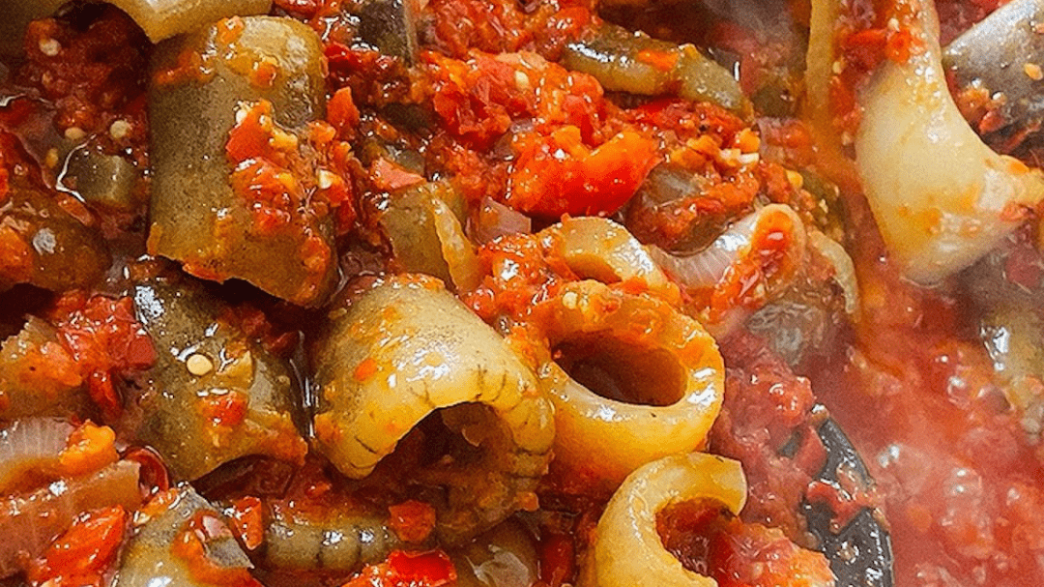
Cow skin, commonly called Ponmo, has been unfairly dragged for years. Although it is chewy and delightful in stews and soups across Africa, many have claimed it has no nutritional value. If lies were currency, these people would be richer than Dangote.
According to Healthline, cows are primary producers of bovine collagen. Collagen is a form of structural protein that our bodies produce, which is useful for reducing wrinkles, promoting elasticity, and increasing skin moisture. It is your “sure plug” for glowing skin, strong joints, shiny hair, and the finest nails.
Ponmo is rich in collagen, a form of protein you need. As you grow older, your body’s collagen production begins to decline, which can cause many health issues, including bone, joint, and skin problems. 
Dietitian Oluwakemi Olanrewaju, in an interview with Punch Newspaper, says 100g of boiled thick ponmo contains roughly 46.9g of collagen protein. That’s more of a protein punch than many fancy supplements.

“A 100g of boiled, thick cow skin contains about 224.65kcal of energy, 6.80g of carbohydrate, about 43.9g of water, 46.9g of protein, 1.09g of fat, and 0.02g of fibre. For micronutrients, it contains small amounts of calcium (61mg), iron (4.3mg), magnesium (12mg), phosphorus (36mg), and zinc (6.79mg),” she told Punch.
While it’s true that collagen isn’t a “complete” protein containing every amino acid found in chicken or eggs, combining it with other foods gives you a complete protein meal. Put it in beans, add some egusi, pair it with rice and stew, or drop it in a fiery pepper soup. Your joints, skin, and pockets will thank you, because ponmo is still cheaper than beef in these economic times.
According to data from Fit Nigerian, Ponmo contains low fat (about 1g per 100g). Because 100g contains 224.65 calories (kcal), it’s generally considered a snack or meal option with a low to moderate amount of calories. Let’s call it the humble hero of Nigerian cuisine.
In case you’re wondering, cow hides are obtained from slaughtered cattle and are dehaired. Dehairing is done by scalding in hot water and scraping, or by traditionally singeing the hides over firewood. After dehairing and thorough washing comes boiling. The hide is cooked for hours until it is soft.
The dehairing process is where manipulation occurs and is why some people boycott Ponmo. To dehair, some burn the hides with old tyres, plastic, or rubber because it is faster and cheaper. However, this method makes the meat toxic. Tire and plastic singeing add cancer-causing chemicals (PAHs) and heavy metals (lead, cadmium, etc.). Also, poor hygiene on the part of sellers can lead to bacteria (E. coli, etc.).
Properly made white or firewood-singed ponmo is safer and still provides collagen. So, choose trusted sources for your Ponmo, wash and boil it well, and eat in moderation.
Ponmo remains cultural, delicious, and yes, it’s actually feeding your body. Just balance it—add veggies or mix it with other complete proteins.
ALSO READ: Does Parboiling Instant Noodles Make Them Healthier?

About The Author