



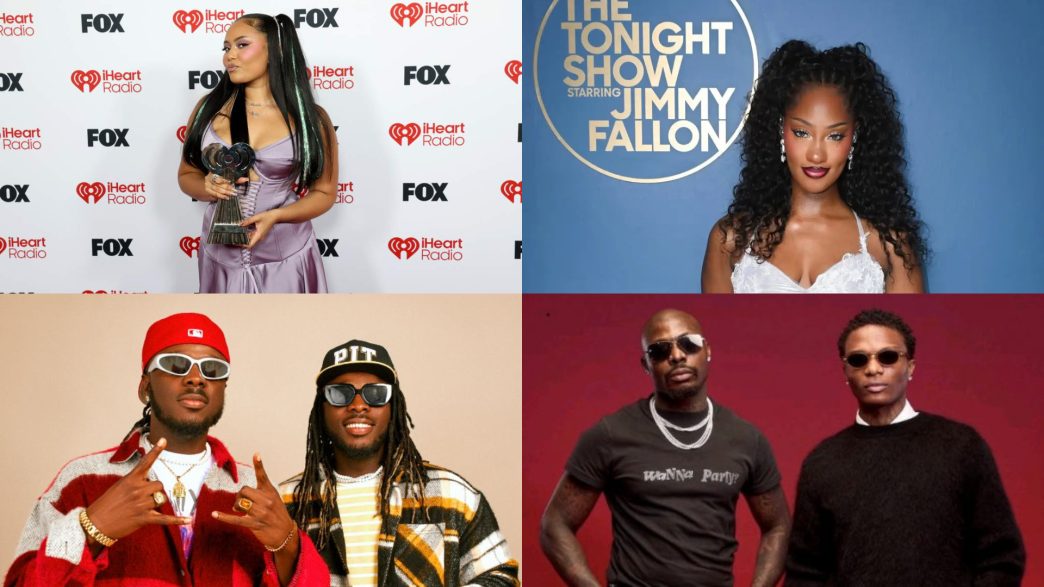
The first quarter of 2026 has been underwhelming for Nigerian artists, who have yet to deliver a definitive global hit. Even the high-profile joint EP by Wizkid and Asake failed to chart or gain worldwide recognition. In comparison, Ghana is enjoying a landmark year.
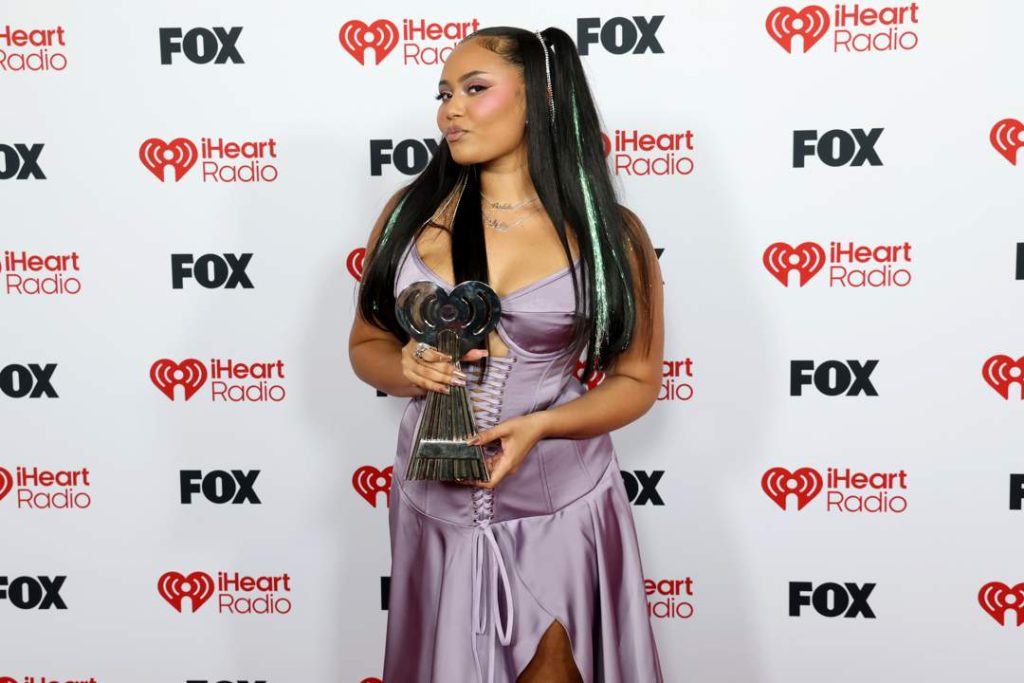
Moliy recently won the Best International Artist trophy at the iHeartRadio Awards, while Sarkodie made history as the first African artist to sell out the Royal Albert Hall. He is now set to headline the O2 Arena, showcasing Ghana’s momentum.
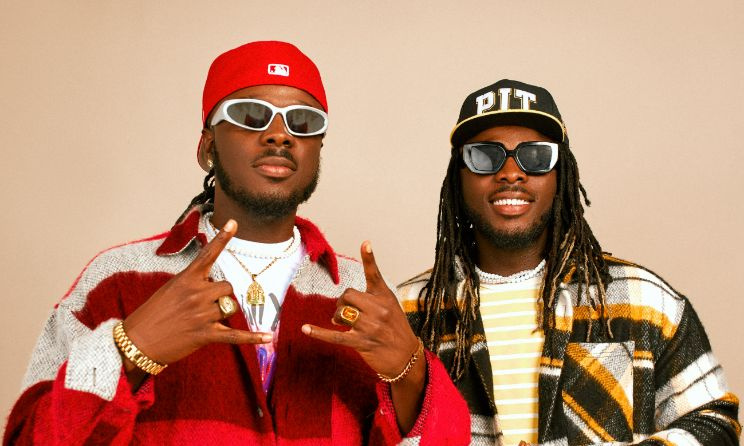
Two Ghanaian tracks are currently vying for the “Song of the Summer” title, shattering personal streaming records in the process. R2Bees’ ‘Over’ and DopeNation’s ‘Kakalika’ are trending globally; on the UK Afrobeats Chart, they currently sit at number two and number four, respectively. Though Wizkid and Asake’s ‘Turbulence’ is number 1. 
This shift begs the question: has Nigerian Afrobeat lost its sauce? While Omah Lay’s latest EP suggests a new sound may be approaching, the heavyweights like Davido, Burna Boy, Rema, and Ayra Starr seem stuck.
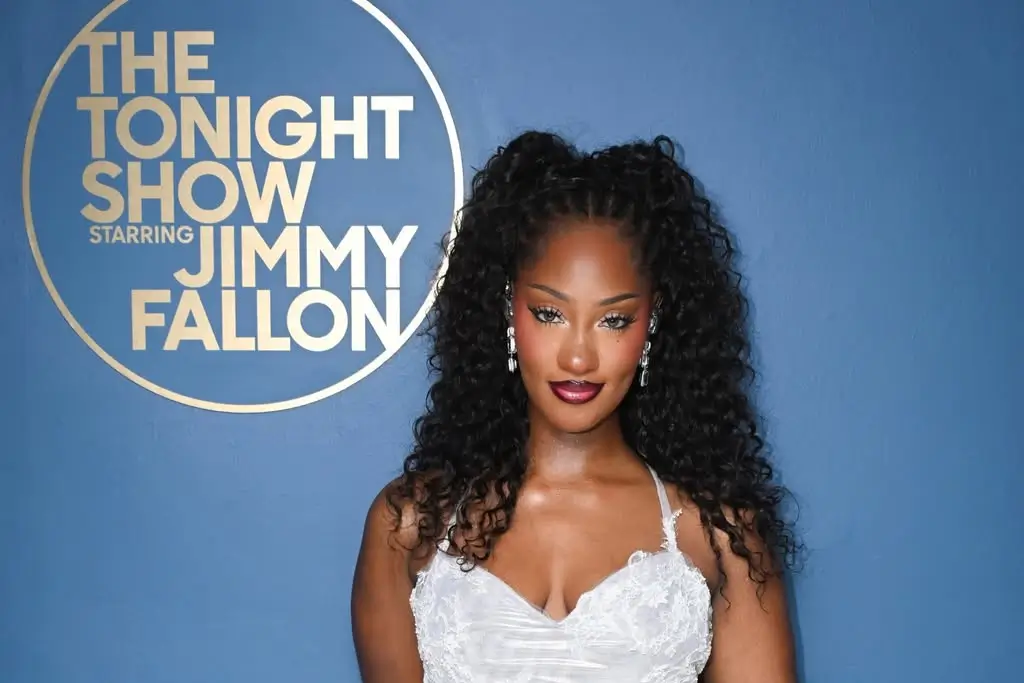
Tems continues to have a stellar year; two of her songs are on the Billboard Global Charts, she earned over 40 million monthly streams and performed at Jimmy Fallon, but her alternative style doesn’t strictly fit the conventional Afrobeats.
Critics are divided on the cause of this slump. Many argue that in their pursuit of a global audience, Nigerian artists are abandoning their unique, home-grown sound. Others contend the opposite; they say the sound has become too repetitive and “too Nigerian” to remain fresh.
Whatever the case, the creative baton appears to be passing. While Nigeria struggles with an identity crisis, Ghana may be reclaiming the spotlight by staying true to the rhythms that defined the genre’s origins.

About The Author