


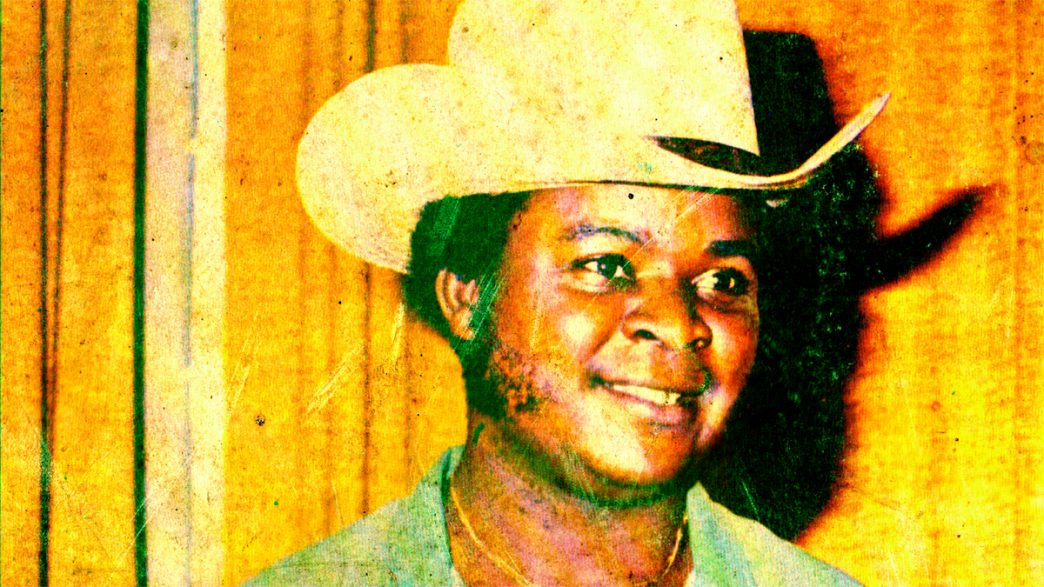
Nobody really knows who William Onyeabor was. And the more people tried to find out,the more he seemed to vanish.
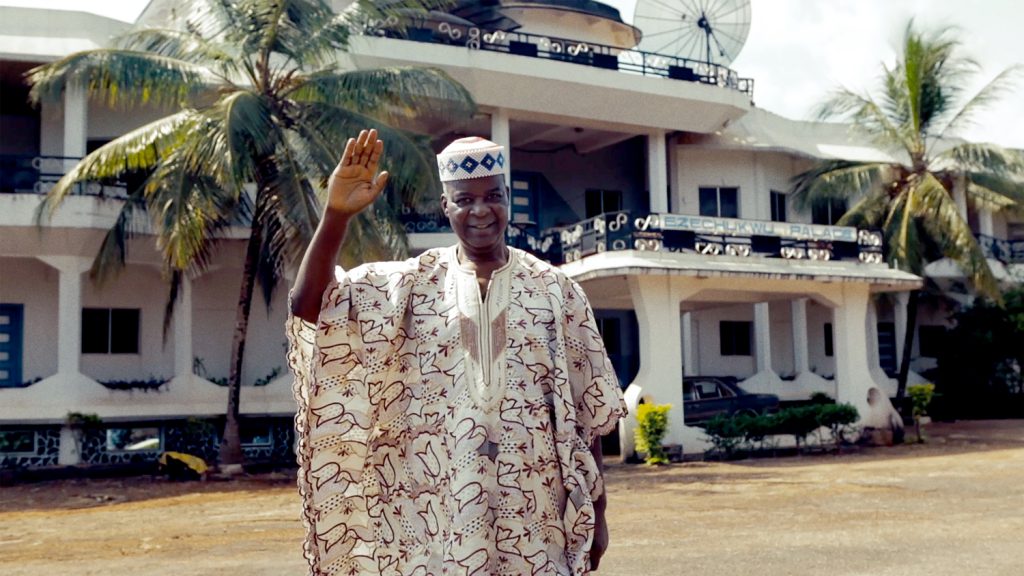
William Ezechukwu Onyeabor was born on March 26, 1946. Nigerians heard his music everywhere in the late 1970s and early 1980s. Despite his success, he remained an enigmatic, private, and reclusive figure. That is perhaps the most understated sentence you will ever read about anyone.
Here is what the music sounds like: imagine someone in 1970s Nigeria somehow got hold of synthesisers years before most of the world knew what they were, went into a studio he built himself, recorded nine albums of hypnotic, layered, pulsating funk that sounded like nothing else on the continent, pressed them at his own record plant, and distributed them himself. That is what William Onyeabor did. He is the founding father of Nigerian electro-Afro-funk. Then he walked away from all of it and refused to say a single word about any of it for the rest of his life. 
The Man Behind the Music
Born into a low-income family in the mid-1940s, Onyeabor made enough money to travel and acquire an education. Some accounts say he studied record engineering in Russia. Others insist he studied cinematography. Nobody has confirmed which version is true, or whether either is. Inconsistencies in his biography remain, and nobody ever resolved them.
What is known is that by the late 1970s, he had returned to Nigeria and self-released eight albums between 1977 and 1985. He built his own record label, Wilfilms, and his own pressing plant in Enugu. Collectors today sell his debut album, the soundtrack for a self-directed film called Crashes in Love, for more than €3,000. The music was extraordinary. The man behind it stayed almost completely invisible.
Then in the mid-1980s, he became a born-again Christian. And that was it. He never spoke about himself or his music again.
The World Came Looking
Decades passed. DJs and crate diggers around the world quietly circulated the music. Then in the 2010s, Luaka Bop, the New York record label founded by David Byrne of Talking Heads, decided to track him down and reissue his catalogue.
What followed ranks among the more remarkable stories in music journalism. Luaka Bop spent 18 months trying to construct an accurate biography, speaking to people who claimed firsthand knowledge of Onyeabor. None of it worked. After three trips to Nigeria and two years of investigation, one researcher admitted he knew little more than when he started.
SEE ALSO: The Nigerian Man Quietly Running One of America’s Most Powerful Drug Empires
The Man Who Hung Up on David Byrne
When the label’s director finally reached him directly, Onyeabor gave a single response: “Why would I want to talk about that? I just want to talk about Jesus.” Then he hung up the phone.
Critics everywhere praised the 2013 reissue compilation ‘Who Is William Onyeabor?’ It prompted a touring supergroup called the Atomic Bomb! Band to form, featuring David Byrne, Damon Albarn, Dev Hynes, and others, performing his music at concerts and festivals around the world.
Onyeabor, from his home in Enugu, could not have cared less.
Beyond music, he had invested in a millet flour mill that earned him the title of Top West African Entrepreneur in 1987. He ran a local football club. He was not hiding. He was simply living a life that no longer included anything to do with the music driving the rest of the world to obsession.
On January 16, 2017, Onyeabor died at his home in Enugu following a brief illness. He was 70 years old.
The question on the Luaka Bop compilation ‘Who Is William Onyeabor?’ was never answered. Somehow, that feels exactly right.

About The Author