


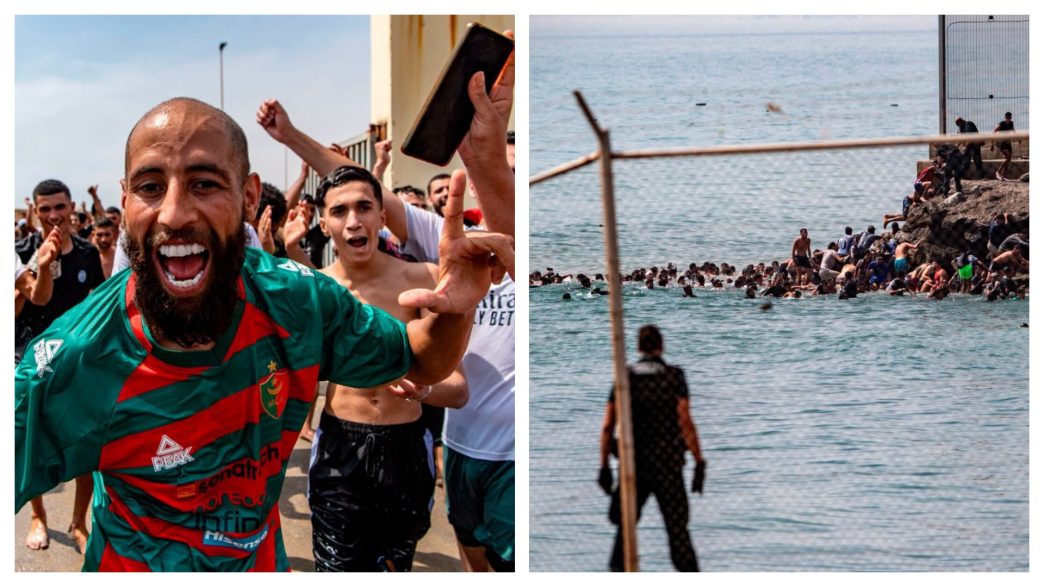
The Spanish enclave of Ceuta, a tiny 19.9 square kilometre territory on the northern tip of Africa, is facing what local leaders describe as an absolute humanitarian and social emergency after tens of thousands of people crossed into it from Morocco over recent days.
Footage from the Tarajal border crossing showed large groups, mostly young men, swimming around the border fence and wading into the enclave. At least 34 people have died attempting to do so. Local authorities estimate approximately 60,000 people have entered Ceuta in recent days, overwhelming reception facilities and leaving migrants gathered in public parks and on the streets.
What Is Ceuta
Ceuta and Spain’s other African enclave, Melilla, are the European Union’s only land borders on the African continent. They have long served as crossing points for people seeking to reach Europe from sub-Saharan Africa and North Africa, and they sit at the centre of one of the world’s most contested migration corridors. Ceuta is separated from mainland Spain by the Strait of Gibraltar but shares a land border with Morocco, making its perimeter fence one of the most heavily monitored stretches of territory in the region. 
What Is Happening on the Ground
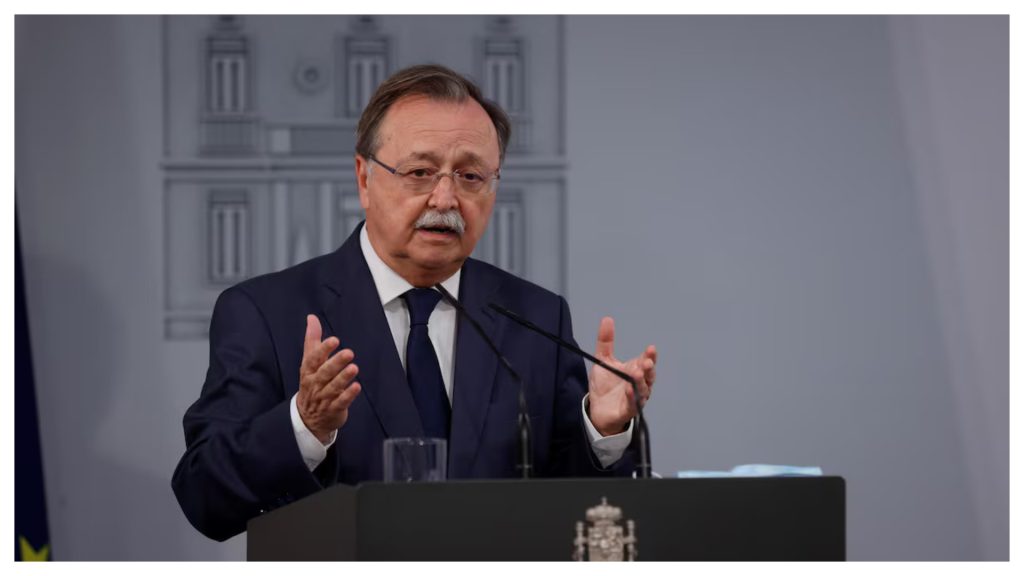
Ceuta’s president Juan Jesús Vivas spoke to Cadena SER radio and described the situation plainly. ‘An absolute humanitarian and social emergency,’ he said, pleading with Madrid to declare a formal national emergency for the enclave.
Representatives of the Civil Guard confirmed the pressure on services. ‘People are still arriving. The troops sent are mainly assisting the injured and supporting aid efforts,’ said Rachid Sbihi, head of a Civil Guard officers association.
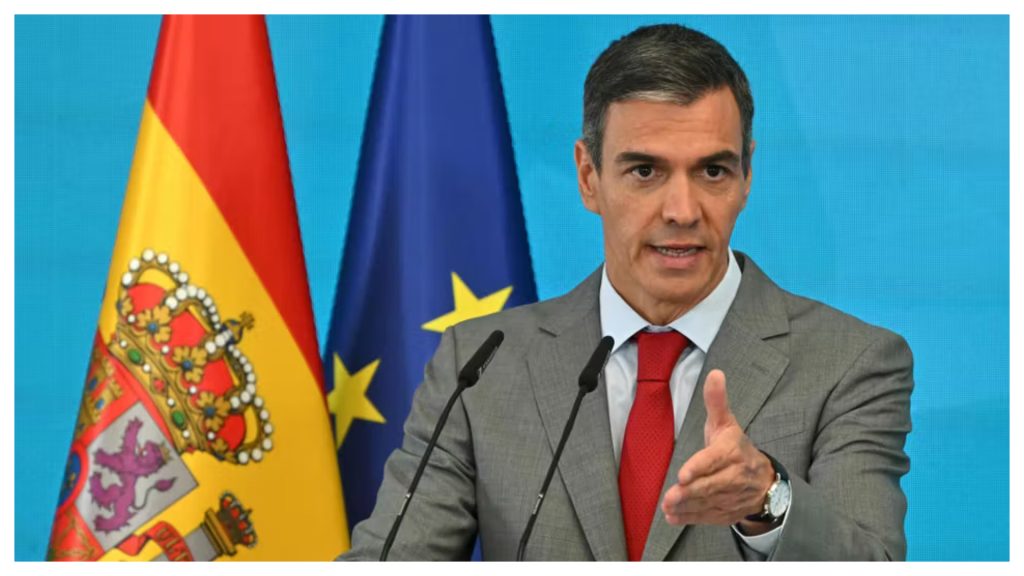
Spain has deployed army troops and extra police officers to the territory. Prime Minister Pedro Sánchez said he had spoken with Vivas and was coordinating with Morocco and international partners to ‘bring things back to normal.’ He arrived in Ceuta on Friday.

Morocco responded by sending water cannon vehicles to the border and tightening border security. The Moroccan ambassador to Spain, Karima Benyaich, stated that Rabat doesn’t support the crossings and prefers ‘orderly and safe migration.’ Moroccan authorities have also urged those who entered to return.
SEE ALSO: Fisherman Dies in Propeller Accident Off La Palma as Friend Watches
Why It Happened
The crossing didn’t happen without reason; several factors appear to have converged.
While irregular entries into Spain decreased in the first half of 2026 compared to the same period in 2025, Ceuta had already been recording a 164 per cent year-on-year increase in land arrivals before this week’s surge, with Vivas saying the city had been receiving over 300 people daily even before the spike began.
A Supreme Court ruling from late June is cited as a possible catalyst. The court ruled that migrants arriving by sea in Ceuta and Melilla cannot be returned immediately without due process; a decision that, while not granting residency, was widely shared on social media in Morocco and may have encouraged crossing attempts. Morocco’s youth unemployment rate stands at 37.2 per cent, providing a persistent structural driver for young people seeking any available exit.
A similar incident occurred in May 2021, when nearly 8,000 people entered Ceuta over two days during a diplomatic dispute between Morocco and Spain. That situation was eventually stabilised, and this one is significantly larger.
SEE ALSO: British Woman Jailed 6 Years in Hong Kong for False Rape Claim and £100,000 Blackmail Attempt
The Political Fallout

The events have sharpened existing divisions in Spanish politics. Vox leader Santiago Abascal accused Prime Minister Sánchez of encouraging what he called ‘an invasion,’ citing the government’s plans to regularise 500,000 undocumented migrants currently in Spain. Alberto Núñez Feijóo of the Popular Party said the administration was downplaying what he described as a serious national security issue.
Sánchez has defended his government’s migration policy and maintained that the administration is working with Morocco to manage the situation through cooperation rather than confrontation.
Ceuta remains overwhelmed, and aid organisations and security forces are working to provide care, process arrivals, and prevent further deaths at one of the most sensitive and contested borders in the world.

About The Author