


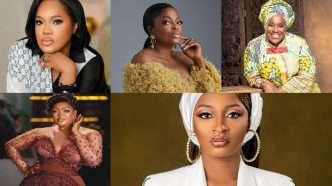
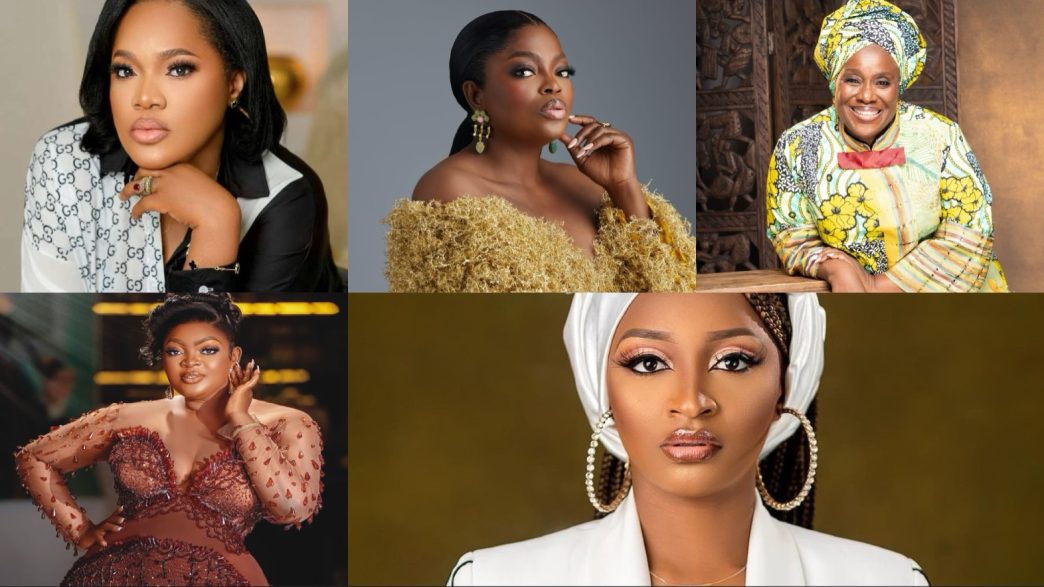
The organisers of the National Women Mega Empowerment and Rally 2026 have unveiled the entertainment committee for the event, tasked with planning, organising, and coordinating all entertainment activities to ensure the programme is engaging, lively, and memorable.
The list carries some of the biggest names in Nigerian film and television. And if you look closely, you will notice something immediately. While the organisers made an effort to include representation from across the country—a few northern names, a handful from the east and south-south—the committee is, by a significant margin, dominated by the Yoruba film industry. More on that later. First, here is who is on the list and what you need to know about each of them.
1. Funke Akindele
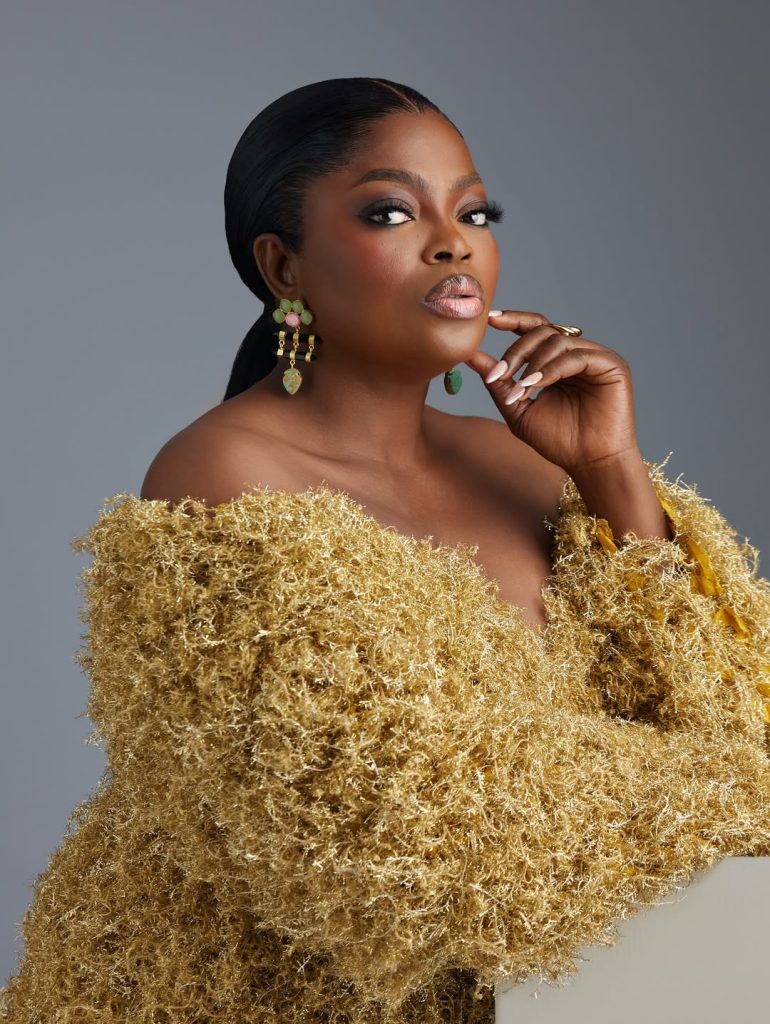
If there is one name on this list that needs no introduction, it is Funke Akindele. Born in Ikorodu, Lagos, she built the Jenifa franchise from the ground up—writing, directing, producing, and starring in it—and turned it into Nollywood’s most commercially successful property. Her 2024 film Everybody Loves Jenifa grossed ₦1.88 billion, making it the highest-grossing Nollywood film ever at the time. She ran for Deputy Governor of Lagos State in 2023 on the PDP ticket, which makes her appearance on an APC committee a notable political shift that has not gone unnoticed. 
2. Joke Silva
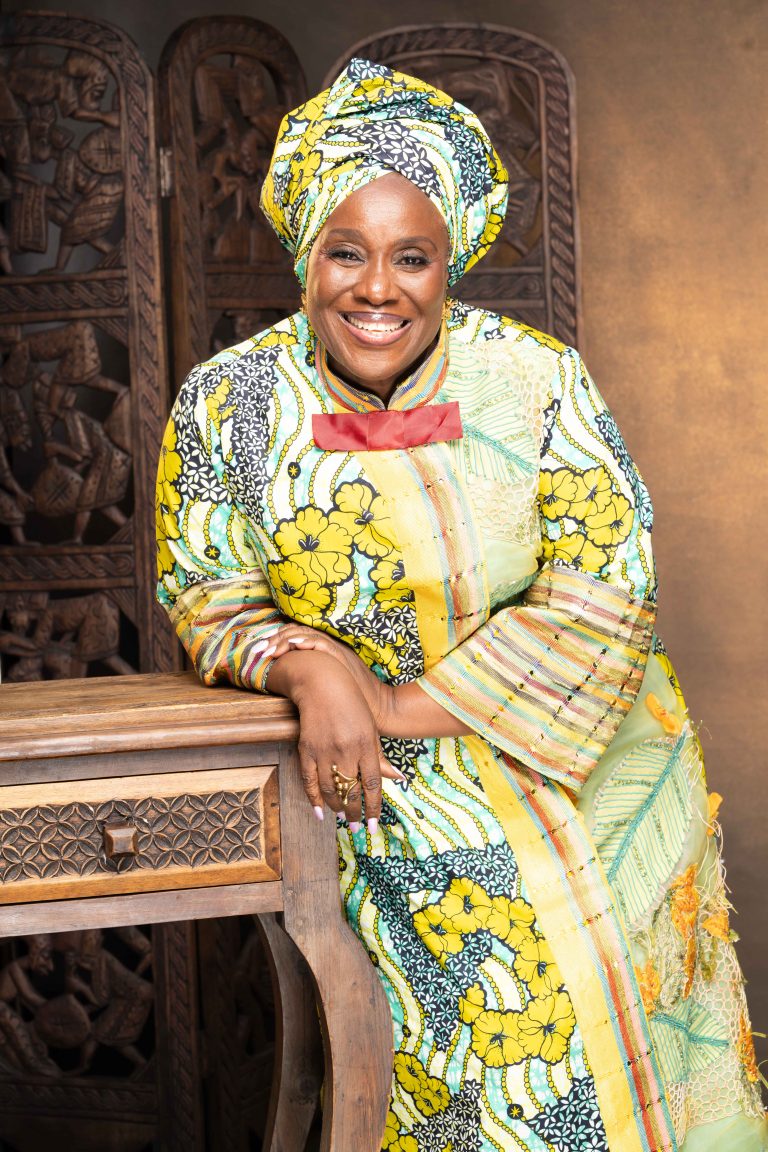
One of Nigeria’s most respected actresses across four decades of work. Born in Lagos and trained at the Guildhall School of Music and Drama in London, Joke Silva has built a career that spans stage, television, and film. She is married to veteran actor Olu Jacobs. She was recently appointed Head Judge of the Africa Magic Viewers’ Choice Awards, succeeding filmmaker Femi Odugbemi. She is the kind of name that lends weight and credibility to any list she appears on.
3. Toyin Abraham
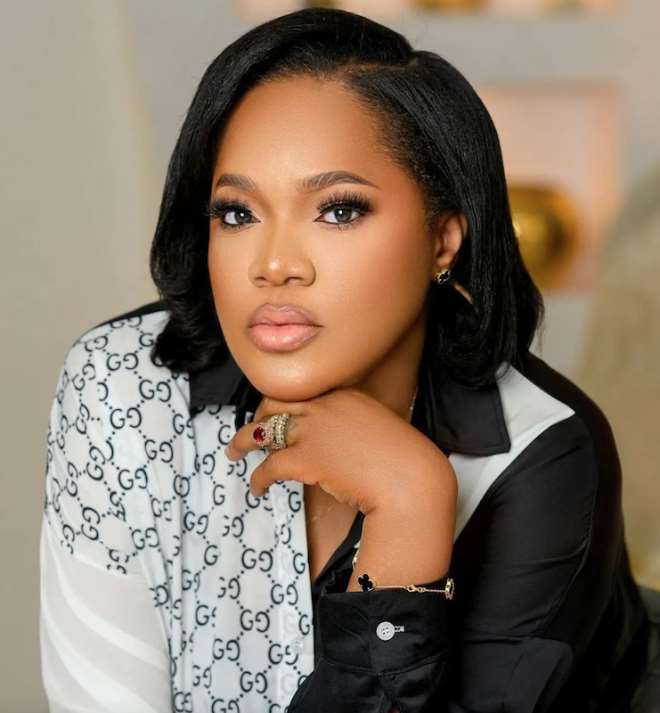
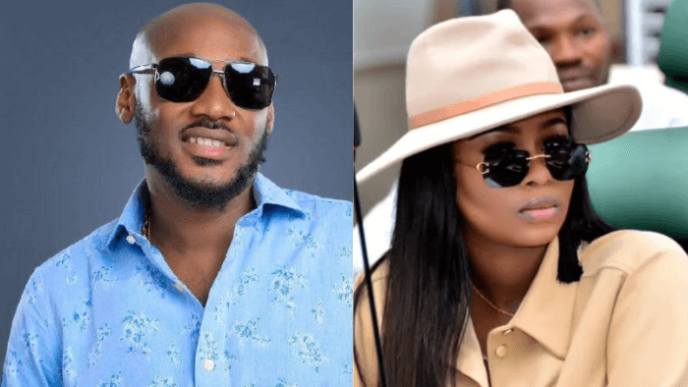
Born in Auchi, Edo State, Toyin Abraham built her entire career within the Yoruba film industry and is now one of its biggest stars. Her Alakada franchise has consistently delivered at the box office; the 2024 instalment crossed ₦500 million. She is also one-half of Nollywood’s most discussed rivalry with Funke Akindele, which makes both of them sitting on the same committee one of the more interesting dynamics to watch.
4. Rahama Sadau
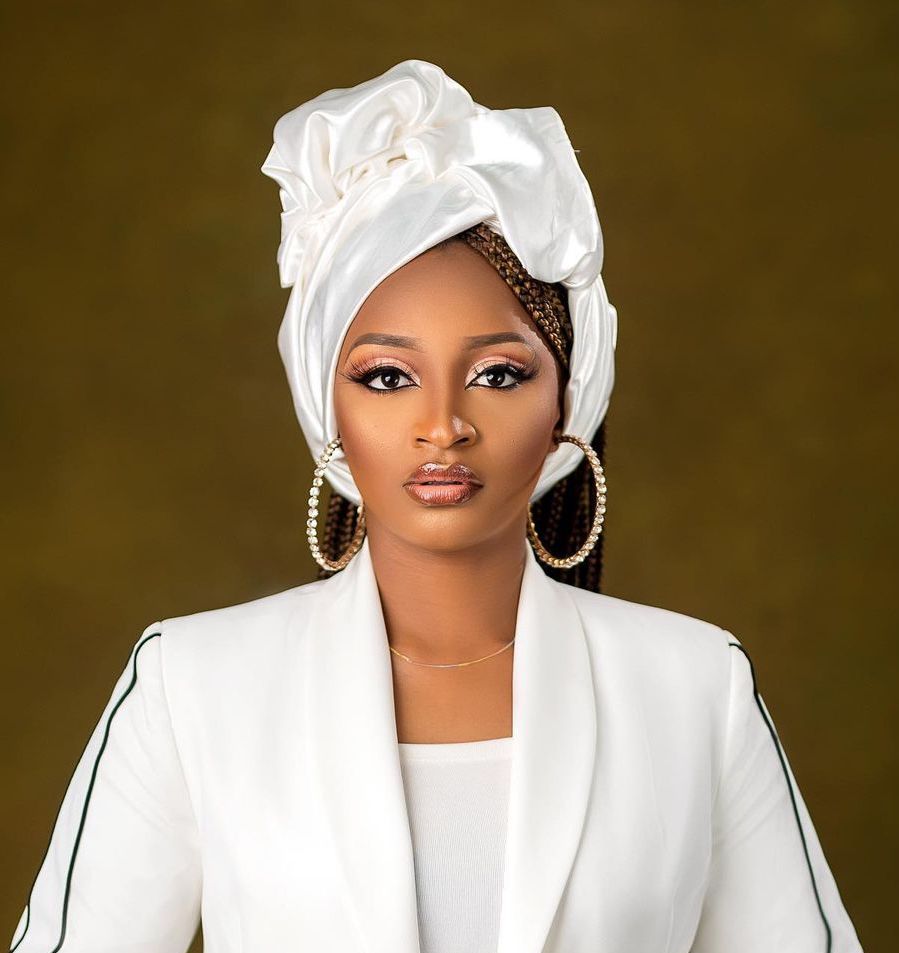
Born on December 7, 1993, Rahama Sadau rose to prominence in late 2013 after joining the Kannywood film industry with her debut in Gani ga Wane. She has since appeared in films across multiple Nigerian languages and is among the few Nigerian actresses reported to speak Hindi fluently. She is the most prominent northern voice on this committee and one of the very few Kannywood actresses to successfully cross into mainstream Nollywood. She serves as Co-Chairperson alongside Eniola Badmus. It is worth noting that in 2022, when her name appeared on a similar APC campaign list, she publicly denied any association with it. Her Co-Chairperson role this time suggests a more deliberate alignment.
5. Eniola Badmus
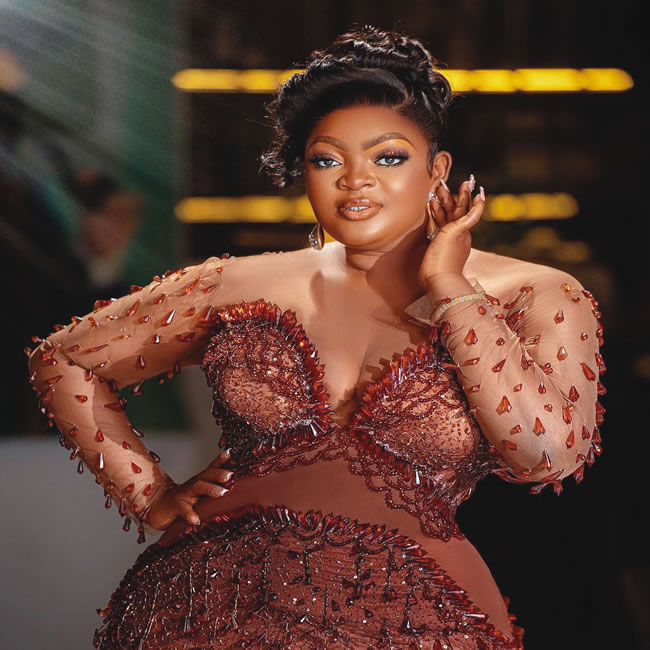
Best known as “Gbogbo Big Girls” from Funke Akindele’s Jenifa, Eniola Badmus has been one of the Yoruba film industry’s most recognisable faces for years. She played an active role in the APC’s 2023 presidential campaign and currently serves as a Senior Special Adviser in the House of Representatives, focusing on engagement and advocacy. Of everyone on this committee, she has most visibly merged her entertainment identity with a political one.
6. Fathia Balogun
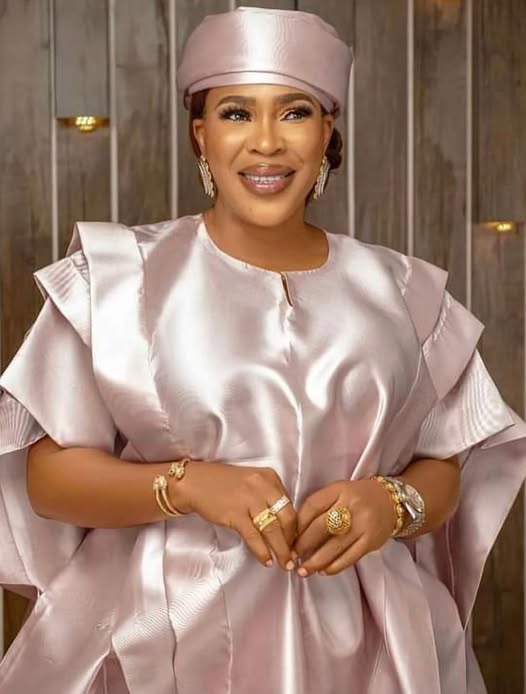
Known widely as Fathia Williams, her real name is Fathia Balogun. One of the most respected actresses in Yoruba Nollywood, she rose to prominence in the 1990s and has remained a consistent presence ever since. She was previously married to actor Saheed Balogun, and their union was considered Nollywood royalty at the time. She has featured in hundreds of Yoruba productions across her career.
7. Madam Saje
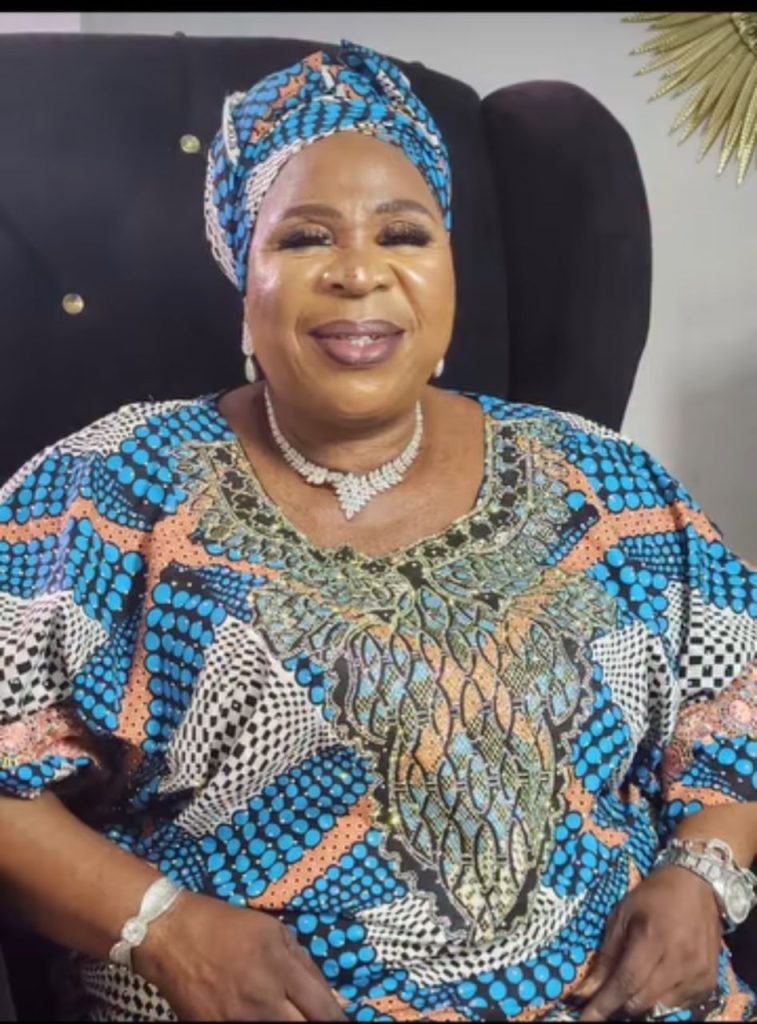
Another Fausat Balogun—different person, same first name—which causes endless confusion. She earned the name Madam Saje from Babatunde Omidina’s popular series Erinkeke, where she played a society woman known for her distinctive headgear called a Saje. Long after the series ended, the nickname stuck. She is a veteran of the Yoruba film industry whose face is more recognisable to most Nigerians than her real name.
8. Eniola Ajao
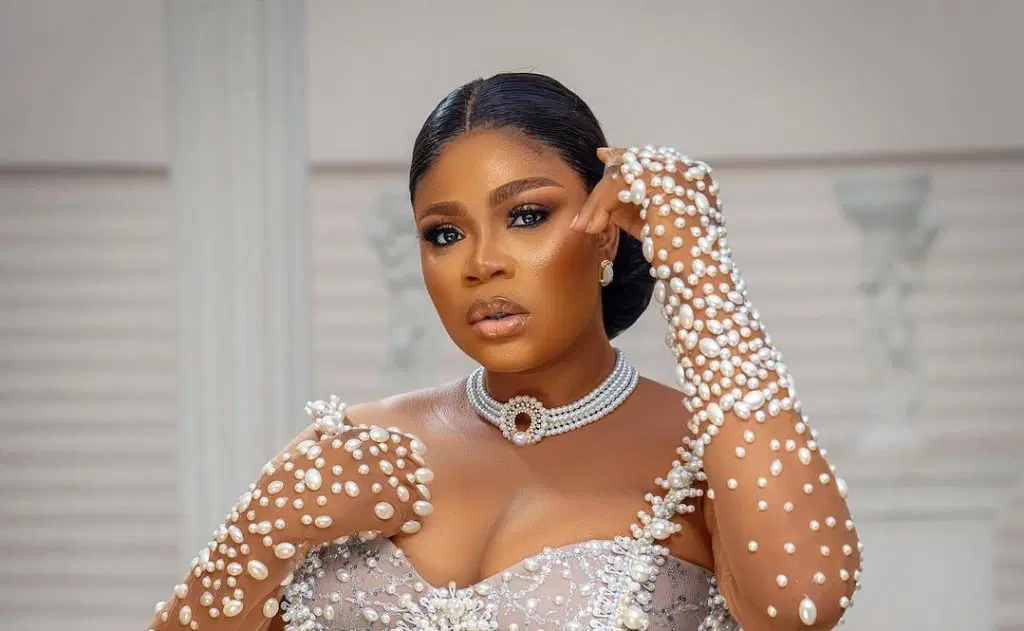
A Nigerian actress and filmmaker from Epe, Lagos State, widely known in the Yoruba Nollywood industry for her versatility and strong screen presence. She has featured in more than 70 movies and has moved into film production. One of the younger veterans on this list, she is someone who started early enough that she is now considered an established name rather than a rising one.
9. Toyin Adegbola
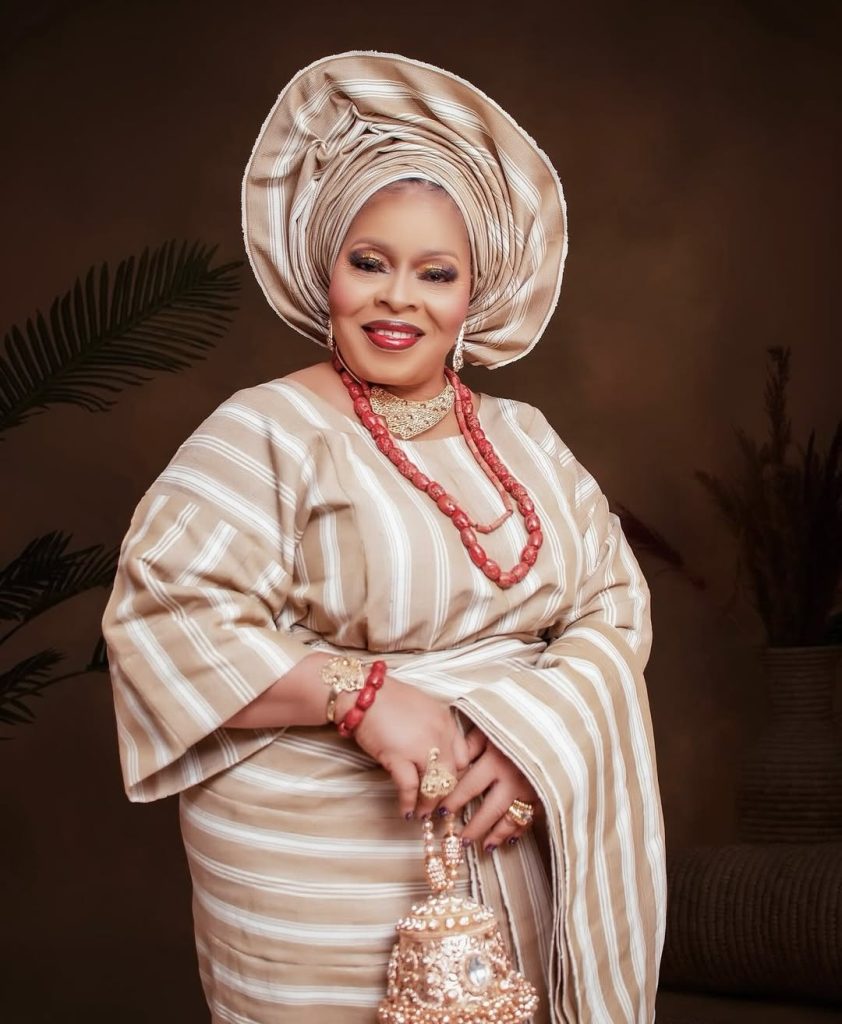
Toyin Adegbola began her acting career in 1984 in Yoruba language films and is a member of the board of the Osun State Arts and Culture Council. Born on December 28, 1961, she is popularly known by the nickname ‘Toyin Asewo to re Mecca’, a stage name earned from a role so iconic it followed her everywhere. Over forty years in the industry and still going.
10. Lanre Hassan (Iya Awero)
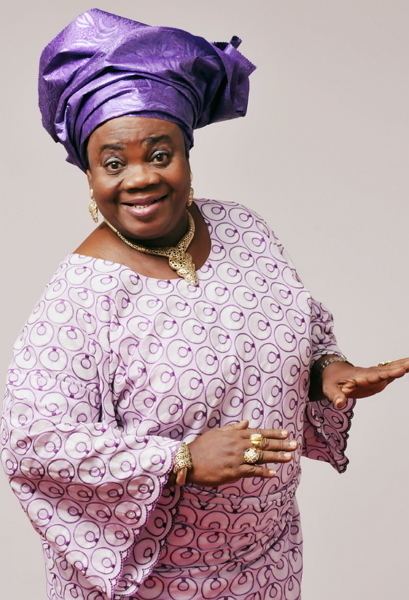
With a career spanning over five decades, Lanre Hassan kicked off her journey on stage after joining dramatist Ojo Ladipo’s theatre group in 1964 and went on to take acting classes facilitated by Nobel Laureate Professor Wole Soyinka. Her work includes productions like Owo Blow, Sade Blade, and Kemi Adetiba’s King of Boys. Born on October 3, 1950, she is the longest-serving actress on this committee by a considerable distance and one of the true legends of Nigerian cinema.
11. Sola Kosoko
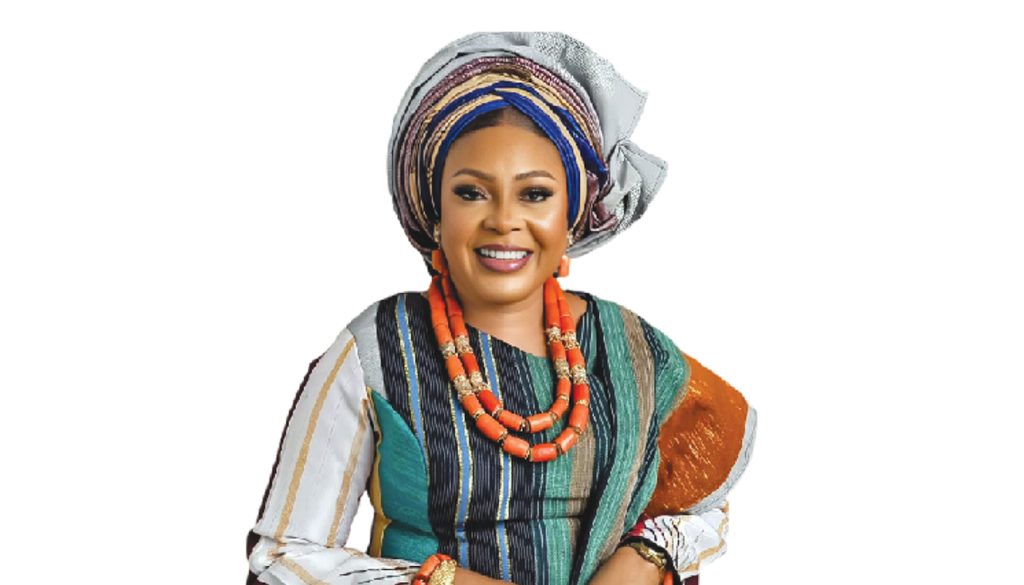
Daughter of veteran actor Jide Kosoko, Sola Kosoko has carved her own path in Nollywood independent of her father’s famous name. She studied Theatre Arts and has built a steady career across Yoruba film and television productions.
12. Remi Oshodi (Remi Surutu)
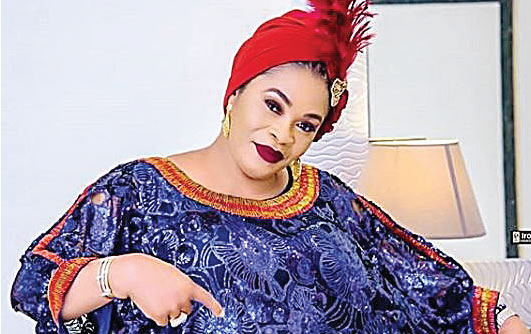
One of Yoruba Nollywood’s most beloved comic actresses. Her stage name, Remi Surutu, is the one most Nigerians know her by, and her ability to bring enormous energy and humour to every role she takes has made her a fan favourite since the 1990s. She is the kind of actress that lights up a screen the moment she appears.
13.Rashidat Maisaa
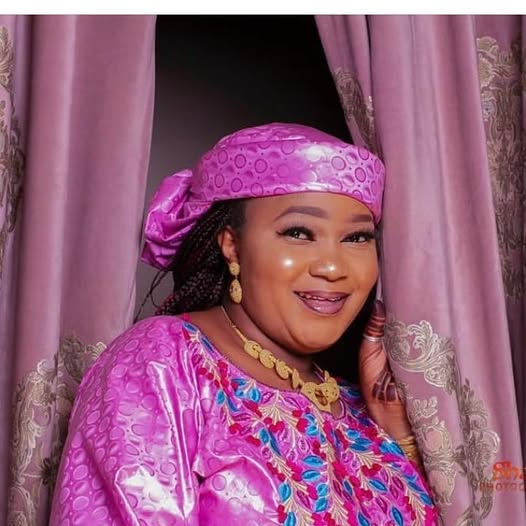
A Nollywood actress who has worked steadily in the industry over the years. Her inclusion reflects the committee’s effort to bring in voices beyond the most high-profile names and ensures the entertainment arm has depth across the board.
14. Ify Okeke-Ozzuode
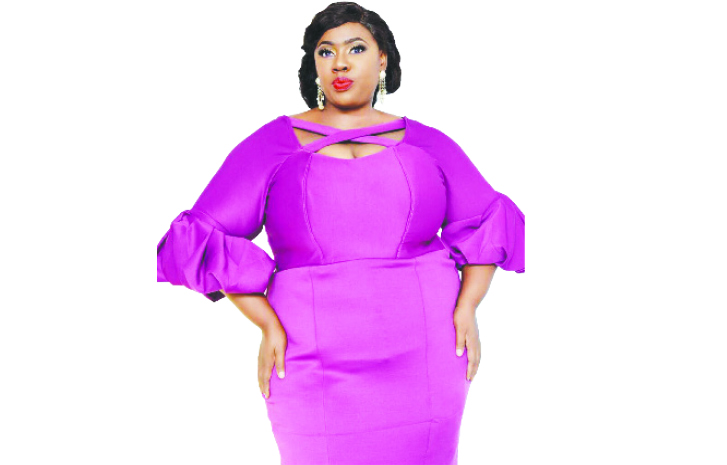
One of the few Igbo actresses on this list and one of the few whose career sits firmly within English-language Nollywood rather than the Yoruba film space. Her presence is a nod to eastern Nigeria in a committee that is otherwise heavily south-western in its makeup.
15. Rose Odika
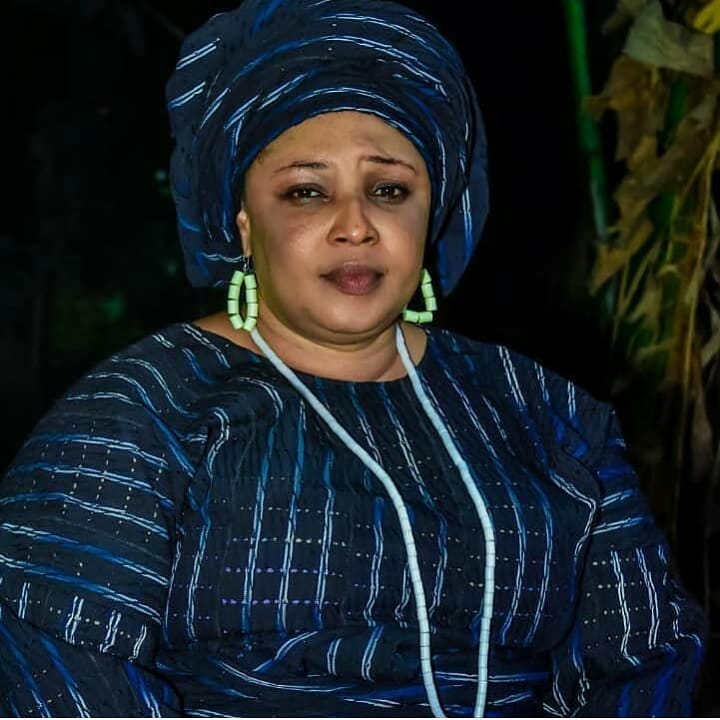
A Nollywood actress and filmmaker whose name has appeared on APC entertainment lists going back to the 2022 Tinubu campaign, suggesting a consistent political alignment. She represents the south-south contingent on a committee that does not have many of them.
SEE ALSO: Why Don’t Funke Akindele and Toyin Abraham Like Each Other?
The Bigger Picture
Scroll through the full list and something becomes hard to ignore. While the organisers made a visible effort at representation—Rahama Sadau for the north, Ify Okeke and Rose Odika for the east and south-south—the south-west dominates this room. Funke Akindele, Toyin Abraham, Joke Silva, Eniola Badmus, Fathia Balogun, Madam Saje, Eniola Ajao, Toyin Adegbola, Lanre Hassan, Sola Kosoko, Remi Oshodi: that is not a coincidence. That is a pattern.
Part of this is structural. The Yoruba film industry is the most organised, most prolific, and most politically embedded arm of Nigerian cinema. It has deep roots in Lagos, produces content at enormous volume, and has maintained a close relationship with political power structures in the south-west for decades. When the APC needs cultural firepower for a national rally, the Yoruba film world answers the call in ways other regional industries simply have not been positioned to.
But a national rally is supposed to feel national. And when talented, well-known Igbo, Edo, Rivers State, and Delta State actresses are largely absent from the headline names on this list, it is worth asking whose cultural currency the party chooses to spend, and whose it does not.
The committee tells you which part of Nigeria the APC believes drives entertainment conversation. Whether the rest of the country agrees is a different question entirely.
About The Author

Keep Up to Date with the Most Important News