


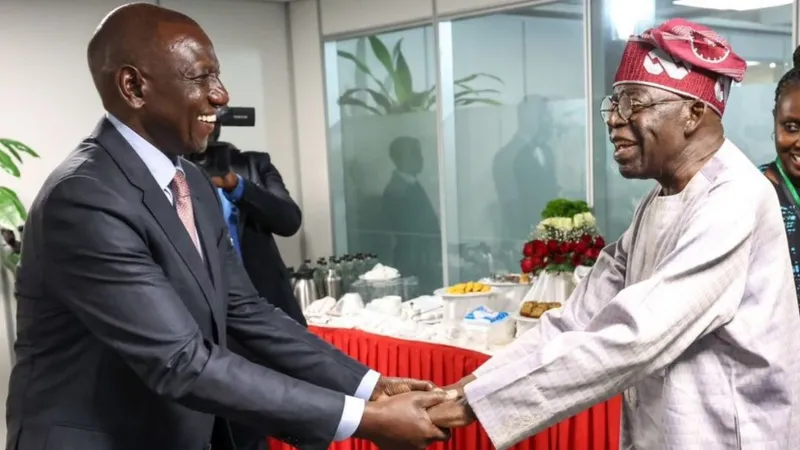
On April 10, 2026, Nigerian President Bola Tinubu was in Bayelsa State acknowledging the hardship caused by rising fuel prices, but told Nigerians to remain grateful, saying they were “better off” than people in Kenya and other African countries facing tougher economic conditions.
Kenya’s President William Ruto heard that. And he had something to say back.
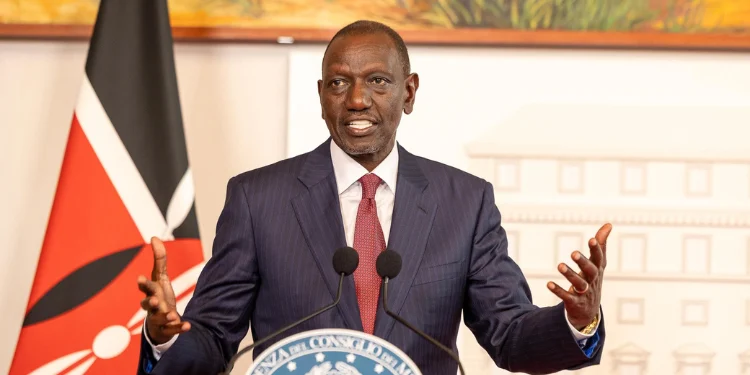
In a video first posted by Kenyan Digital News on April 20, Ruto pushed back while speaking to Kenyans living in Italy, defending his country’s education system and taking a very pointed detour in the direction of Nigeria. 
“You know, our education is good. Our English is good. We speak some of the best English in the world. That is true. If you listen to a Nigerian speaking, you don’t know what they are saying. You need a translator, even if they are speaking English.”
And just like that, the video was everywhere.
What Actually Happened
To be fair, Ruto did not directly reference Tinubu’s comments in the video, but the timing was hard to ignore, and the internet connected the dots immediately. This was a sitting president, speaking at a public function, telling a crowd that Nigerians essentially speak an incomprehensible version of the language, and framing it as a compliment to his own country’s education system.
The reaction from Nigerians was exactly what you would expect: swift, loud, and very much in English.
One user on X put it simply: “Let’s not drag the whole country into this between two incompetent corrupt politicians. Both countries speak good English. Kenya leans toward a clearer, more British-influenced style while Nigeria mixes it with rich local flair and pidgin that can sound like its own dialect.”
That comment actually gets at the real issue. What Ruto described is not “broken English.” It is Nigerian English, a distinct, recognised variety of the language with its own rhythm, vocabulary, and structure, shaped by over 500 local languages and decades of cultural evolution. Calling it incomprehensible is not a linguistic observation; it is a dig dressed up as a joke.
The Bigger Picture
The exchange is happening against the backdrop of broader economic pressure across Africa, with rising fuel prices linked to global supply disruptions. Nigeria continues to deal with inflation, currency instability, and power supply challenges. Kenya, meanwhile, has positioned itself as a regional hub for finance and technology but is also carrying rising debt and cost-of-living pressures of its own.
SEE ALSO: Zinoleesky Leaves Marlian Music and Launches His Own Label
At the time of publication, neither the Kenyan presidency nor Nigerian government officials had issued a formal response.
Two presidents, two struggling economies, and one argument about accents that neither of them needed to have. What is clear is that Ruto’s comment landed far outside the audience it was meant for, and the conversation it started is much bigger than either of them probably intended.
The question now is whether anyone in either government actually responds, or whether they leave the citizens of both countries to keep fighting it out in the comments.

About The Author