



Jola recently warned women in romantic relationships against sharing platforms with men. She knows her take is controversial and said people have insulted her, claiming it is because she doesn’t have love in her life.
Jola Ayeye, known simply as Jollz, is a 34-year-old podcaster and influencer. She is known for co-hosting one of the most popular podcasts to come out of Africa with her best friend, Folakemi ‘FK’ Abudu, ‘I Said What I Said’. 
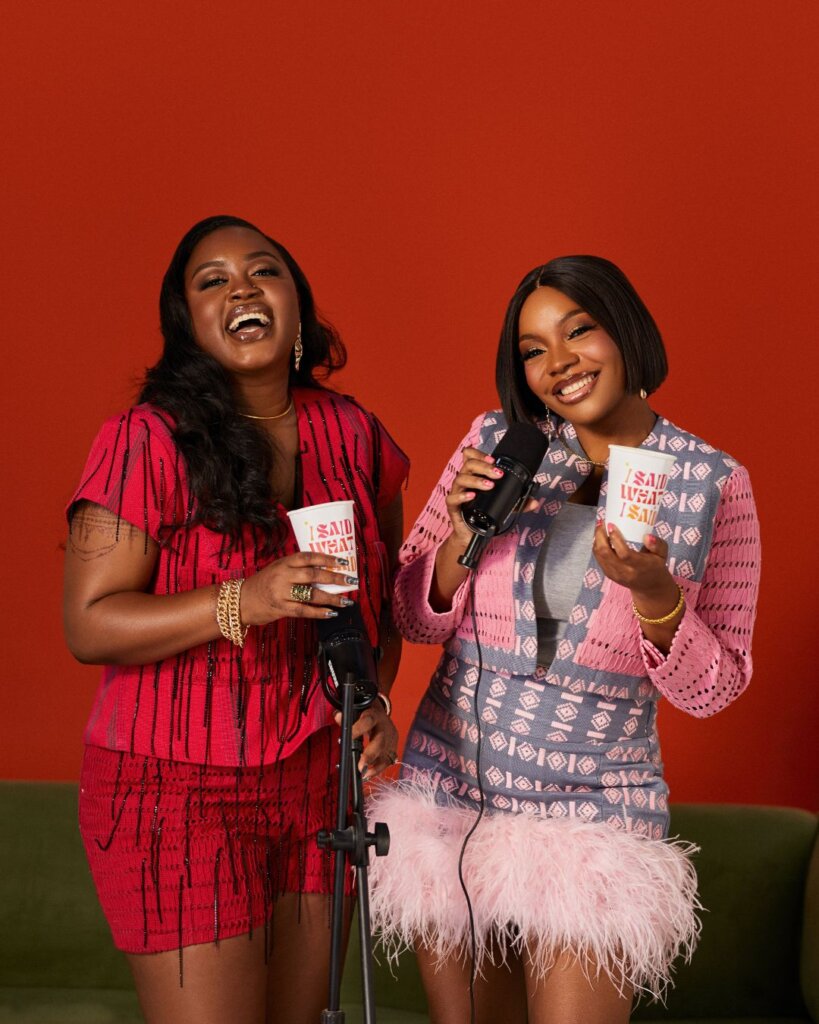
In a clip from the podcast, she said: “We work very hard to make something out of ourselves and to get eyeballs from the world as a musician, podcaster, or a front-facing business person. Then, we cede that ground easily and make love part of our brand. It’s never just that ‘I am in love’; it’s that you bring a person into your world in a way that they didn’t work for. Social capital is a real thing, and women give it away easily. I think of all the couple channels that start off with a female influencer doing something and then bringing him in—I don’t know the ones that go the other way around. Somehow, we women are very quick to cede public and actual capital to people who didn’t work for it in the same way… when you people break up, he now carries part of your audience with him.”
This has set the internet in knots, with many people jumping down Jola’s throat. Critics are asking why she holds such ill will against someone she supposedly loves and is in a relationship with. Since she is single, some argue she is talking about an imaginary partner, and they ask: shouldn’t love be about sharing and caring, including sharing platforms? Furthermore, she focused on men not doing the same thing, but the question on my mind is: was she right? Is it true that female content creators and businesswomen are quick to ask men to join them and inevitably become “couple content creators”?
ALSO READ: 4 Nigerian Celebrity Couples Getting Married In 2026

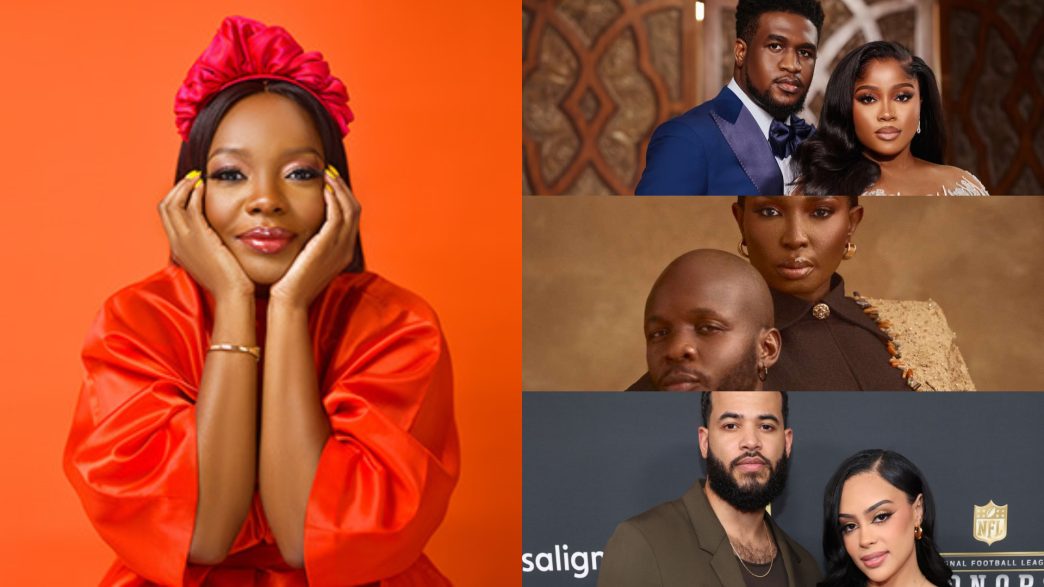
Well, we’ve seen it happen many times. In Nigeria, we have Veekee James and Femi Atere; in the US, we have Desmond Scott and Kristy Sarah (who are now divorced).

In a situation where a woman is a front-facing or popular person with a lot of followers, the social media platform, according to Jola, is social capital. In Veekee James’ case, her husband became a constant fixture on her page. In Kristy Sarah’s case, they started doing couple pranks when she was the more popular one. Soon after, he started sharing cooking videos, and when they divorced, he did indeed take part of her audience with him.
But there is one thing Jola is neglecting: men also bring women along on their social media pages, and these women benefit from that social capital. An easy example would be Peller and Jarvis; though she was already a content creator, they began creating content together. Secondly, interest matters. I doubt anyone is being forced to create content with their partner. Often, women find partners who also like making videos online, and because they are a part of their lives, they make them a part of their content, case in point Toni Tones and Taye Naija.
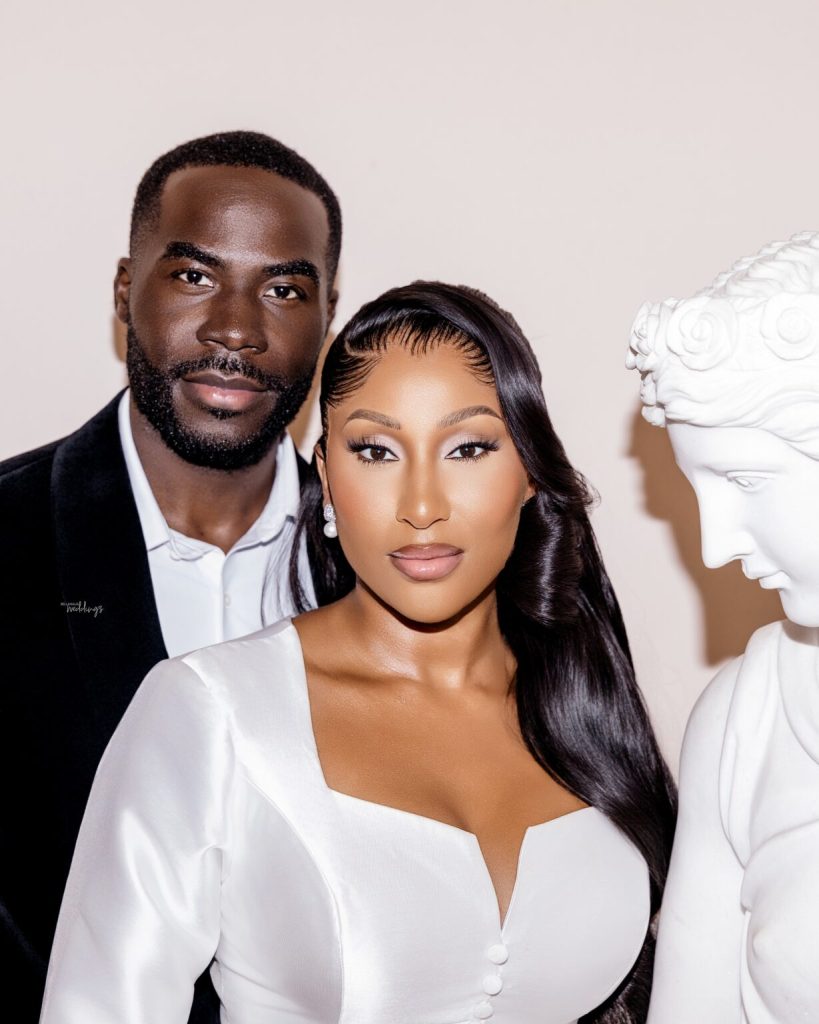
Thirdly, social capital is given in marriage whether we like it or not. Marriage is an exchange of values, and the person with the most social capital will undoubtedly give some away.
However, what Jola is trying to prevent is a situation where a woman gives more than she gets—giving too much of herself, too much of her brand, and basically merging her identity with her husband’s. Look at Ifeoma Agoro (Diary of a Naija Girl) and Frank iTom; they are both content creators who do their own thing separately and together.
As a woman, your entire life doesn’t have to be about your husband or partner. It is that “male-centeredness” Jola is warning against, and that is a valid point.
ALSO READ: 5 Popular TikTok Couples Who Broke Up and Why

About The Author