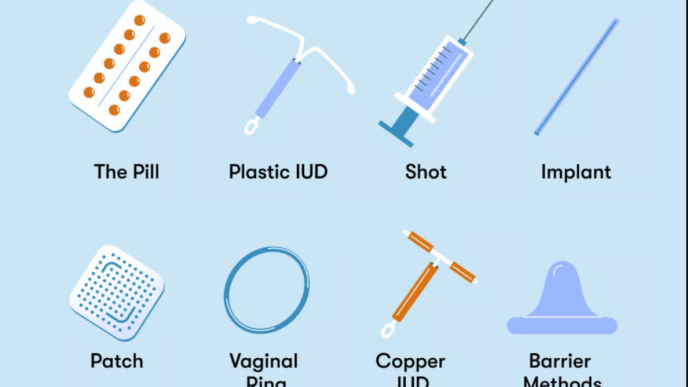





Influencer Adeife Adeoye recently shared her glow up journey and the secret to looking and feeling better. She listed portion control, BBL, liposuction, and, significantly, the removal of her Nexplanon birth control implant. Her story sheds light on the hidden cost of birth control implants.
Weight Gain is a Highly Prevalent Side Effect of Birth Control Implants
A cross-sectional study published in the National Library of Science focused on 101 women using a contraceptive implant in Sulaimaniyah, Iraq, from January 2022 to January 2025.
The findings revealed that approximately 45.5% of the women were classified as obese. 
The most prevalent side effects reported included weight gain (24.8%), headaches (23.8%), and reduced libido (19.8%). A significant number of participants (54.5%) had either removed or intended to remove their implants within three years, mainly due to menstrual irregularities (43.6%).
Remarkably, there were no instances of unintended pregnancies reported (0.0%) during the time the implant was in place. Yes, implants are wildly successful, but almost half of the women in the study above removed them because of the adverse effects.
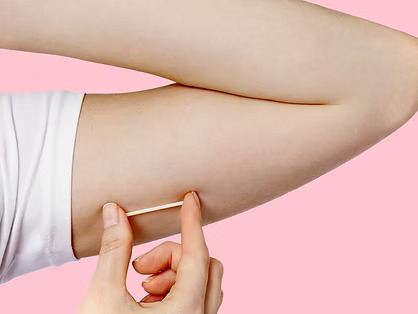
Common Reported Dangers of Birth Control Implants
WebMD lists some of the possible side effects of birth control implants as irregular menstrual bleeding, depression and other mood changes, weight gain, abdominal pain or nausea, acne, breast pain, back pain, headaches, vaginitis, dizziness, noncancerous ovarian cysts, bruising or swelling, and redness.
ALSO READ: Where Are the Women? Nigeria’s 2025 Spotify Rankings Expose a Harsh Reality
Rethinking Contraception and Female Autonomy
Adeife unintentionally showed us that when it comes to contraceptive options, the burden usually falls on women, who must either take contraceptive pills, have an implant, or use an emergency pill. All of these have negative and adverse effects on women.
While many may suggest simply stopping sexual activity, the issue is that most women do want to have sex, which is why I wonder why condoms are not a universally viable option. Men do not react to them; they don’t change their hormones or cause their bodies to change. Using condoms is a simple, non-hormonal choice.
While male birth control pills are currently being tested, until they become available, the choice for women should not be between their health and sexual activity, especially when a non-hormonal male option exists.
About The Author