



Africa is a continent with many different languages, such as Swahili, Yoruba, Twi and Hausa.
However, because many African countries were once colonised by Britain and France, English and French are now the most widely spoken languages in many parts of Africa. Because of this, African countries are often grouped into English-speaking (Anglophone) and French-speaking (Francophone) countries.
These language differences also influence the kind of music they make. English-speaking countries like Nigeria and South Africa are widely known for music styles such as Afrobeats and Amapiano. 
In the same way, French-speaking countries produce their own popular music styles like the Rumba, Electronic music, and Coupe-Ďecale, as well as Afro-trap (which is an infusion of African percussion and hip-hop) sounds that are popular in places like Senegal, Ivory Coast, and the Democratic Republic of Congo.
Anglophone African Music

These countries are known for making modern and popular types of music. South Africa is famous for Amapiano, a music style that started around the mid-2010s and became very popular worldwide in recent years. Amapiano has slow, deep beats that make people want to dance.
Nigeria is well known for Afrobeats. Afrobeats is a modern music style that mixes different sounds like highlife, dancehall, R&B, and hip-hop. The beats are usually fast and catchy, and the songs often repeat certain words or lines, making them easy to sing along to.
Afrobeats songs also mix English with local languages and unique styles, which makes the music exciting and fun. When you hear Afrobeats, it almost always makes you want to dance.
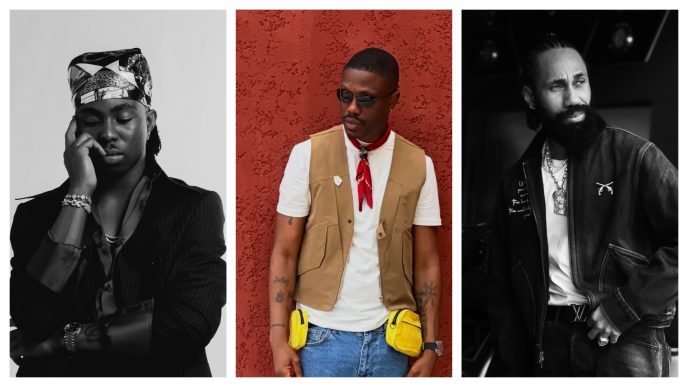
Popular Anglophone African artists include Tyla, Wizkid, Burna Boy, Davido, King Promise, Sarkodie, and many others. These songs are played not just in Africa but all over the world.
Francophone African Music
ALSO READ: 7 African Artists With the Most Entries on Billboard Hot 100
French-speaking African countries have a slightly different music style. Their music often mixes African rhythms with French pop, zouk, and Congolese rumba. It can be slower than music from English-speaking countries, but it is just as expressive and rich in culture.
However, Francophone African music is not as widely spread globally as Anglophone African music. The reason being that English-speaking African artists often have easier access to international platforms, global media, and audiences that already understand English and are willing to go the extra mile to promote their songs outside of their home countries. Which is unlike Francophone African music artists whose music is mostly popular only within their home countries.
Because English is more widely spoken around the world, Anglophone music also tends to travel faster and gain more international popularity.
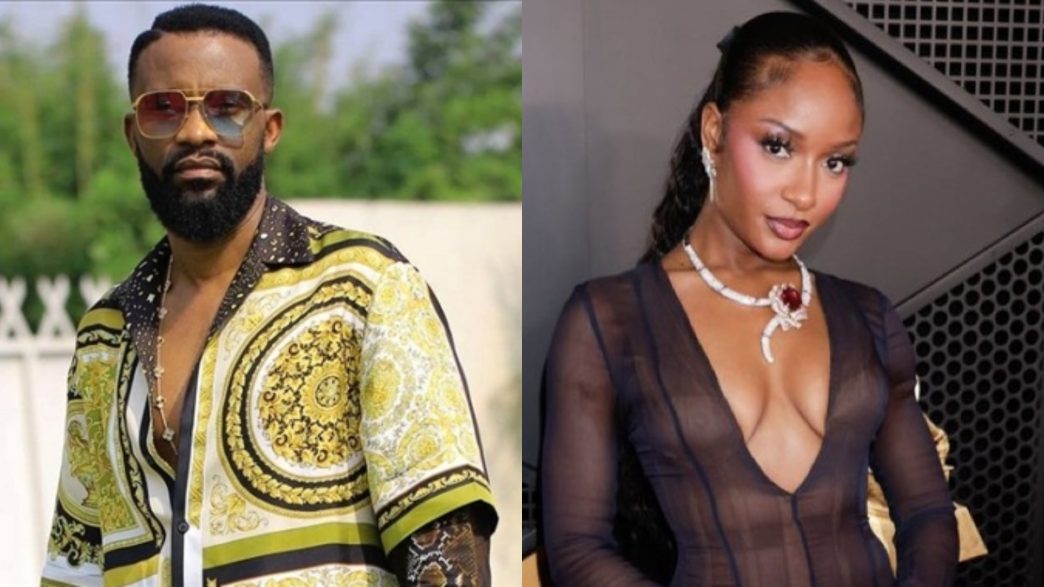
Some well-known Francophone African artists include Fally Ipupa, Magic System, Yseult, Iba Ore, MHD, Dadju, Maitre Gims, and Aya Nakamura, who has African roots. Their music often focuses on smooth vocals and elegant, expressive dance styles.
The Differences
One simple way to see the difference between Anglophone and Francophone African music is by looking at language, rhythm, and dance. Anglophone music is mostly in English, while Francophone music is mostly in French, and the rhythm is always different.
Anglophone songs are often fast and modern and mix African beats with global styles like hip-hop and R&B, as well as dancehall, making them very lively. Francophone music, on the other hand, can be a bit slower and more rhythmic, mixing African traditions with French pop.
Copyright: Annistique Photography
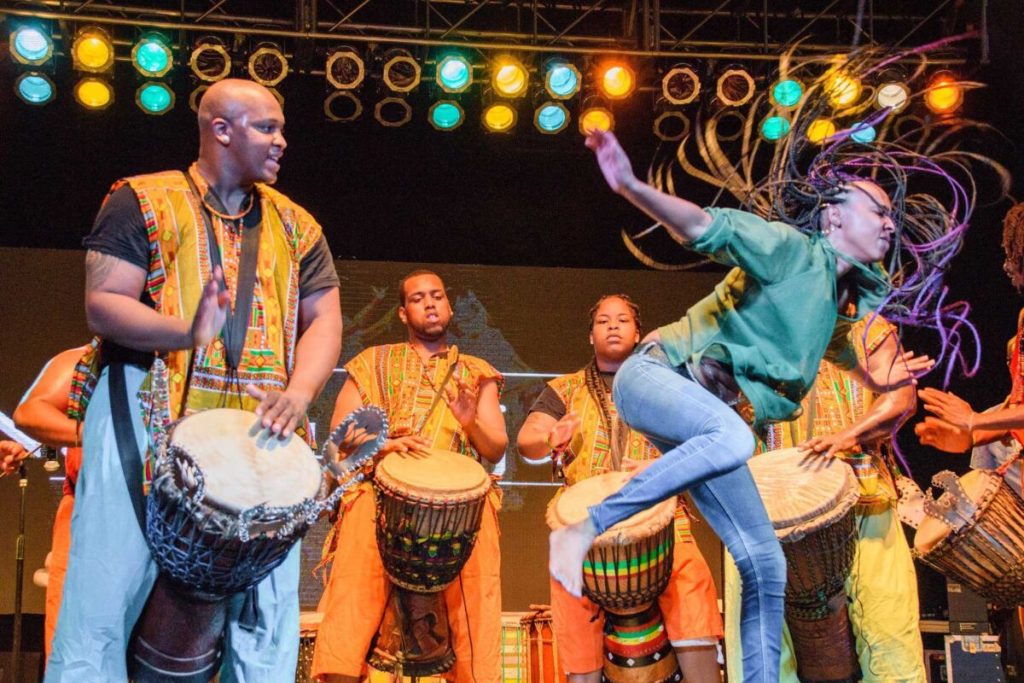
Dances originating from these two parts also match their music. In English-speaking countries, dances are usually energetic and freestyle, with moves that are fun and easy to copy. In French-speaking countries, the dances are often smooth, flowing, and oftentimes more traditional, showing the culture and stories behind the music.
Even with the styles being different, music from both parts is full of life and always makes you get on the dance floor.
So, whether you like to listen and dance to Davido’s Afrobeats or sway to Fally Ipupa’s Rumba, you should know African music is not limited to a particular set of people; thus, every sound should be equally enjoyed and talked about.
The difference between Francophone and Anglophone music comes from language, history, and style, but the heart of the music is the same. Next time you hear a song from Nigeria or Senegal, just let yourself enjoy the beat and move some steps.

About The Author