


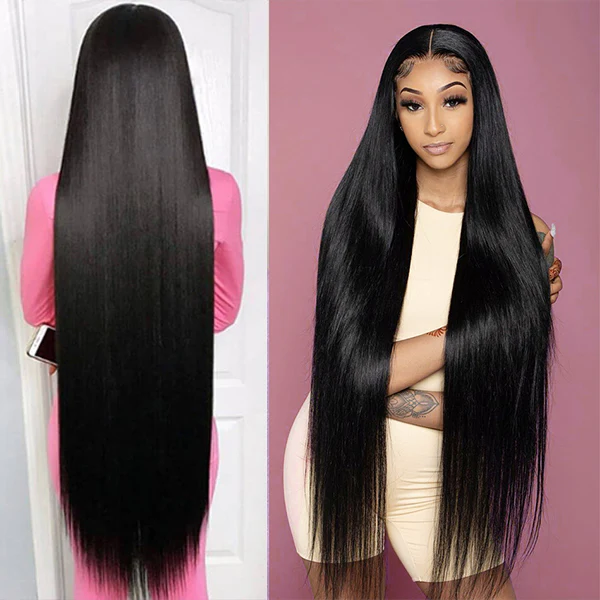
Owning a human hair wig or a 30-inch bone straight is a very big achievement for many Nigerian women. It’s a statement of their financial capability; the unboxing video down to the install reveals and signals luxury.
In many beauty spaces online, wigs, especially premium human hair, are more than styling options. They are statements, and with that has come an unspoken hierarchy. 
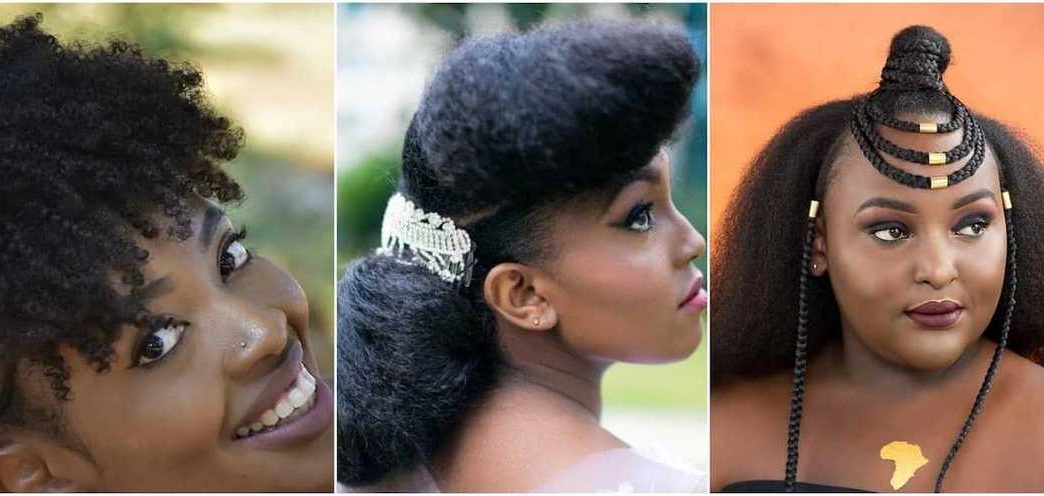
Recently, an X user has started a conversation online after sharing her experience in Kenya. According to her, she noticed that many women she encountered kept their hair simple, rocking neat braids, natural hair, and protective hairstyles.
“I won’t lie, Kenya shocked me. Women here don’t obsess over wigs. Like… at all. Braids. Natural hair. Simple and done. I mentioned braided wigs to someone, and she looked at me like, ‘Why would I stress myself like that?‘” she tweeted.
What really surprised her was the reaction she received when she mentioned braided wigs. From her account, the response suggested that braided wigs weren’t exactly a go-to option for Kenyan women.
According to her, it opened up a realisation about beauty culture, preferences, and how different Nigerian and Kenyan women approach hairstyles.
“And I realised how much pressure we normalise back home without questioning it.”
That’s where the conversation gets interesting.
In Nigeria, especially in cities like Lagos and Abuja, hair culture is heavily influenced by social media. There are installation videos for Instagram, influencer partnerships, and hair vendors collaborating with content creators.
ALSO READ: 1 in 3 Ghanaian Women Have 3 Boyfriends – NRS Survey
Kenya vs Nigeria’s Beauty Standard
The pressure to “look ready” at all times is real. In many cases appearance is tied to opportunity, networking, and perception, and with that, hair becomes branding.
However, what the X user observed in Kenya points to something entirely different. A different beauty culture.
Beauty standards, trends, and everyday styling habits vary and are usually shaped by lifestyle, climate, economics, work culture, and social influence.
And Nigerians’ reactions to the tweet raise a bigger question: when did putting in effort to look beautiful become performance?
Is social media stepping up luxury aesthetics to the point that trying harder now feels like doing a lot, or are we simply seeing regional beauty differences play out in real time? Sometimes, it takes something as small as a comment about braided wigs to remind us that what feels like a flex in one country might feel unnecessary in another.
However, going natural doesn’t make one wig better than the other, as some Kenyan women reacted to the tweet differently.
“This is such a fascinating conversation because, as a Kenyan, I’m obsessed with Nigeria’s sartorial culture. Nigerian girlies have a fantastic sense of style. In my experience, the best-dressed woman in a room is more often than not a Nigerian,” a Kenyan said.
Another tweeted, “On the other side, I love how Nigerian women embody beauty and brains… They are capable of existing in both realms; nothing used to amuse me and make me smile more than seeing professors in their 50s in full glamour presenting their papers… hair, makeup, and nails very loud. ”
Online Reactions
The post did come with a lot of reactions from X users, with one saying, “This is for who wants to get pressured. With my braids and all black, I move. I don’t even like wigs because of heat. Whenever I wear a wig, I don’t feel okay till I remove it.”
Another user agreed, “The vanity and excesses here are on another level. Every woman is trying to outdo the other.”
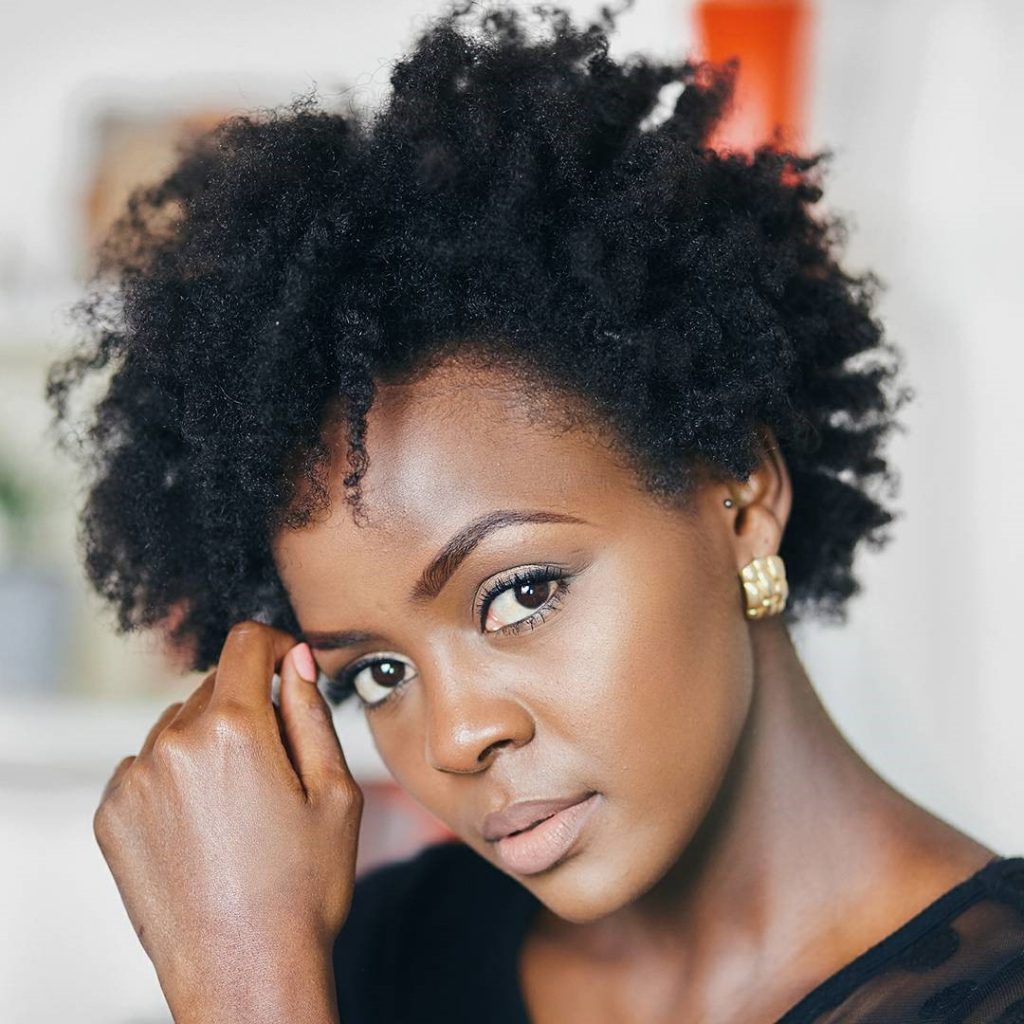
At the end of the day, whether it’s bone straight, knotless braids or natural hair, beauty is and will remain deeply subjective.
Over time, conversations have popped up online about the quiet classism that sometimes exists between women who wear expensive wigs and those who stick to braids or natural hair. The idea is always that wigs look more put together, elevated, and ‘soft life’ better than the other.
But the real question is: Are Nigerian women styling out of preference… or pressure?

About The Author