


For many people, Christmas means decorated trees, colourful lights, Santa Claus, gifts and a festive meal shared with family. But not every country celebrates Christmas in the same way, some have unusual traditions during the season.
December has a special atmosphere. Christmas songs fill the air, markets become busier and homes sparkle with decorations. Children count down to Christmas Day, hoping Santa will reward them with presents for being good. In Nigeria, the season often comes with bowls of jollof rice, fried chicken, music and visits from loved ones.
While some traditions focus on gift-giving and family gatherings, others involve burning devil figures, frightening children or feeding a wooden log. 
From a giant straw goat in Sweden to a Christmas character who begs on the streets of Liberia, here are 10 unusual Christmas traditions from around the world.
1. Sweden: The Giant Gävle Goat That People Try to Burn
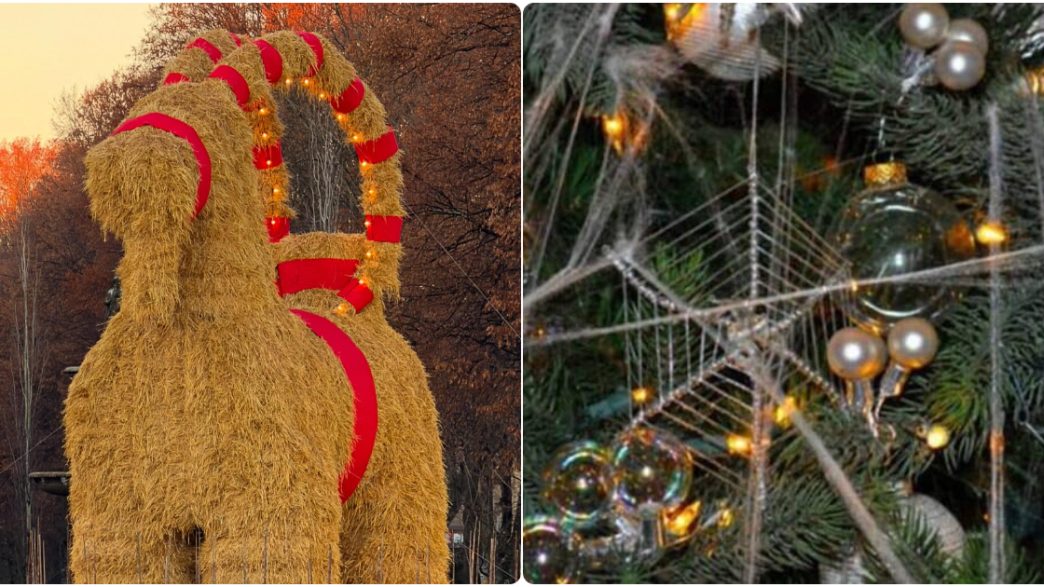
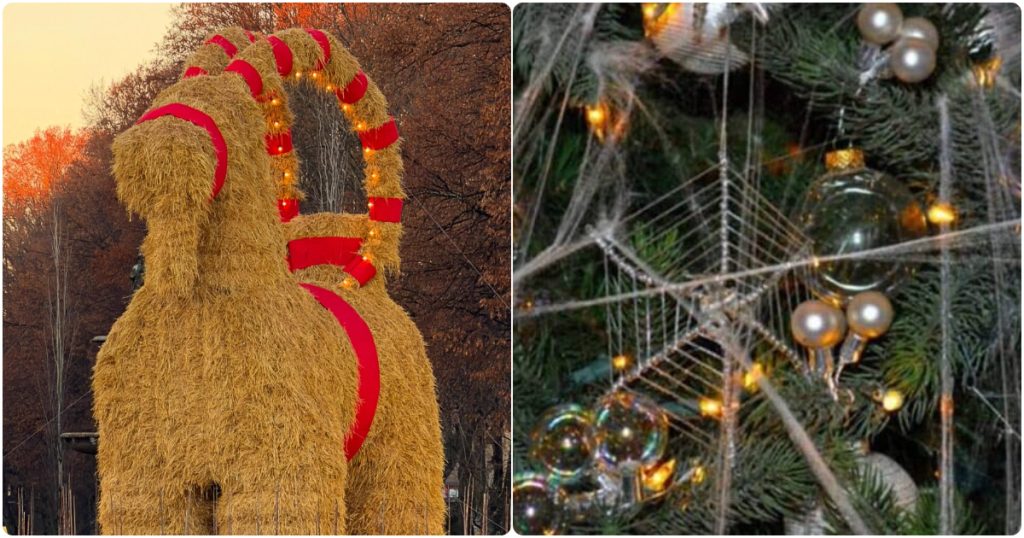
Every Christmas season, a giant straw goat appears in the Swedish city of Gävle. The structure stands about 10 metres tall, measures seven metres long and weighs approximately three tonnes.
The tradition began in 1966 when organisers erected the goat in the town square to attract Christmas shoppers. It has since become one of Sweden’s most recognisable festive attractions.
However, the goat is famous for another reason: people have repeatedly tried to set it on fire. The attacks have become part of the attraction, with many people watching to see whether the structure will survive until Christmas. Authorities have introduced security measures to protect it from vandals.
The goat has also gained international attention. According to Visit Sweden, about 100,000 people from 120 countries follow its webcam. It even has its own Instagram account.
2. Guatemala: Burning the Devil Before Christmas
In Guatemala, some people prepare for Christmas by setting the devil on fire. The tradition, known as La Quema del Diablo, translates as ‘The Burning of the Devil’. It takes place every December 7.
Participants create devil-shaped figures using materials similar to those used for piñatas. They then set the figures ablaze in a symbolic act of driving away evil spirits, bad luck and negative influences before Christmas.
Some people have also used the occasion to burn rubbish and unwanted household items. However, this practice has raised environmental concerns. Burning plastics and other waste can release harmful smoke. As a result, the tradition has attracted criticism over its potential impact on public health and the environment.
3. Iceland: The 13 Mischievous Yule Lads
Children in Iceland have 13 unusual Christmas visitors to look forward to. They are known as the Yule Lads, mischievous brothers who feature in Icelandic folklore.
Unlike Santa Claus, the brothers do not arrive together. Instead, they visit children one after another, beginning on December 12 and continuing until Christmas Eve. Each brother has a distinct personality. Some are known for stealing food, while others enjoy playing tricks. One is called Sausage Swiper because he steals sausages. Another, Door Slammer, disturbs people by banging their doors.
Children place shoes on their windowsills, hoping to receive gifts from the visitors. Well-behaved children get presents, while naughty ones may find a rotten potato instead.
Icelandic folklore also features the frightening Yule Cat. According to the story, the enormous cat hunts people who have not received new clothes before Christmas Eve. The tale was traditionally used to encourage people to finish making woollen clothes before the festive season.
READ ALSO: Detty December 2026: Dates and Venues for Wizkid, Davido, Asake and Other Major Lagos Concerts
4. Czech Republic: Predicting Marriage With a Shoe
Christmas Eve offers unmarried women in the Czech Republic an unusual way to predict their romantic future.
The tradition involves standing with their backs towards the front door and throwing a shoe over their shoulders without looking. The direction of the shoe’s toe is believed to reveal what lies ahead. If it points towards the door, the woman may marry soon and leave her family home. However, if the heel points towards the door, she may remain unmarried for some time.
The custom reflects an old belief that marriage would eventually take a young woman away from her family home to begin a new life with her husband.
5. Spain: The Christmas Log That Poops Gifts
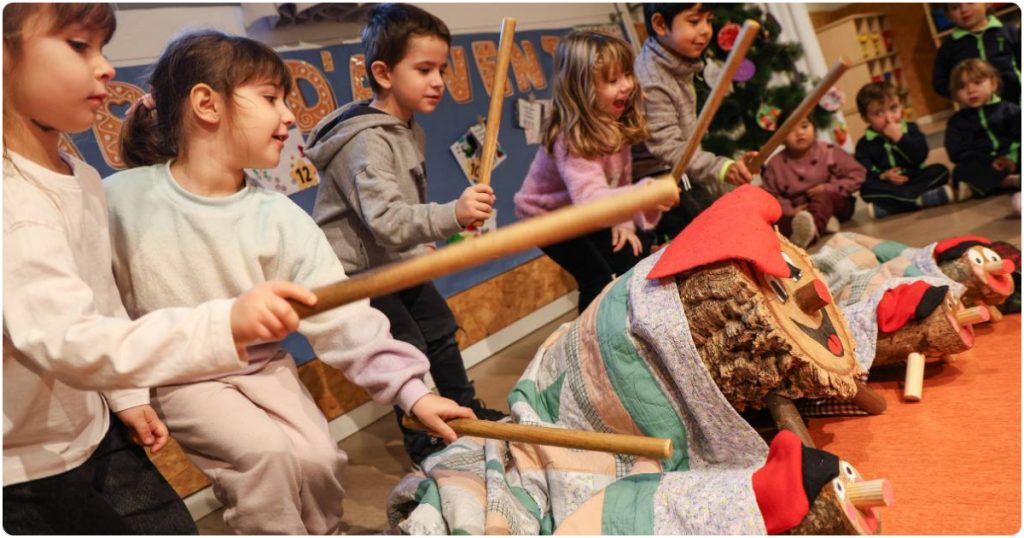
A wooden log that produces Christmas presents may sound strange, but it is a festive tradition in parts of Spain. Known as Tió de Nadal, or the ‘pooping log’, the tradition is especially associated with Catalonia.
The log has a painted smiling face and is often dressed with a small blanket. From December 8, children feed it and take care of it, treating it almost like a family pet.
On Christmas Eve or Christmas Day, depending on the family, children gather around it with sticks. They hit the log while singing traditional songs that ask it to produce sweets, treats and gifts. Parents may then ask the children to leave briefly. During that time, they secretly place presents beneath the blanket. The children return to discover the gifts supposedly produced by their well-fed wooden companion.
The practice resembles a piñata, although the log has its own songs and festive rituals.
6. Austria: The Frightening Christmas Creature, Krampus
While children in many countries look forward to Santa Claus, those in Austria also hear about his frightening companion.
Known as Krampus, the creature comes from Alpine folklore. He is traditionally portrayed with horns, dark fur and a long tongue. Krampus is believed to punish naughty children, while Saint Nicholas rewards those who behave well.
Every December 5, people in some Austrian communities dress in elaborate Krampus costumes. They parade through the streets, frightening spectators as part of the festive entertainment. The tradition offers a darker contrast to the cheerful image of Christmas. Instead of relying only on gifts and treats to encourage good behaviour, it uses fear and mischief.
READ MORE: 8 Free Gospel Concerts and Christmas Carols to Attend in December 2026
7. Japan: Celebrating Christmas With KFC
In Japan, Christmas is not a public holiday, and the country has a relatively small Christian population. Yet the festive season remains popular, with people exchanging gifts and enjoying special meals.
One of Japan’s most recognisable Christmas customs involves eating Kentucky Fried Chicken (KFC). The tradition reportedly began after a customer complained about the difficulty of finding turkey in Japan. The customer suggested that chicken could serve as an alternative.
A KFC employee recognised the business opportunity. The company subsequently launched its ‘Kentucky for Christmas’ campaign. The campaign became a huge success, turning fried chicken into a popular festive meal. Today, many families order KFC Christmas meals in advance to avoid missing out.
For some Japanese households, Christmas Eve would not feel complete without the familiar bucket of fried chicken.
8. Liberia: Old Man Bayka, the Christmas Beggar
In Liberia, Christmas celebrations may include a character known as Old Man Bayka, also called the Old Man Beggar.
Unlike the cheerful Santa Claus who gives children presents, Old Man Bayka moves around communities collecting money and gifts. He wears ragged clothes and masks while dancing through neighbourhoods. Drummers and other performers often accompany him, adding to the lively street performance. The character is believed to have links to Liberia’s masked performers, known as the Dancing Devils.
However, the tradition is not simply about collecting money. Some performers travel from their communities to larger cities to raise funds. They use the proceeds to buy items for children back home and support community projects. What may initially look like an unusual street performance therefore has a charitable purpose.
9. Ukraine: Decorating Christmas Trees With Spider Webs
Most people decorate their Christmas trees with lights, tinsel and colourful ornaments. In Ukraine, some families also include spider webs or decorations shaped like them.
The custom comes from an old folk story about a poor widow and her children. According to the tale, the family could not afford decorations for their Christmas tree. They had a small tree but lacked the money to make it festive. On Christmas morning, they woke to find spider webs covering its branches. When sunlight touched the webs, they appeared to shine like silver threads. The beautiful sight was believed to have brought the family good fortune and changed their circumstances.
The story inspired the tradition of adding spider-web decorations to Christmas trees as a symbol of hope, prosperity and good luck.
10. Italy: La Befana, the Woman Who Delivers Gifts
In Italy, some children look forward to a different Christmas visitor: La Befana.
She is traditionally portrayed as an old woman who flies on a broomstick, delivering sweets and gifts to well-behaved children. Those who misbehave may receive charcoal instead. Italian folklore links her story to the biblical account of the three wise men.
According to the legend, the wise men invited La Befana to join them on their journey to see baby Jesus. However, she declined because she was busy with household chores.She later regretted her decision and set out to find them, carrying gifts for the child. When she could not locate them, she began leaving presents for children in homes along her journey.
The tradition remains an important part of Italian festive folklore.
Different Traditions, One Christmas Spirit
Christmas traditions may look unusual when viewed from another country’s perspective. While some people welcome Santa Claus, others burn devil figures, feed wooden logs or decorate trees with spider webs.
Yet these customs share something important. They bring people together, preserve cultural stories and create memories across generations.
Whether Christmas comes with fried chicken, a frightening creature or a gift-bearing old woman, the season remains a time for celebration, generosity and togetherness.
ALSO SEE: Pastor David Ibiyeomie Warns: ‘Don’t Buy Christmas Clothes If You Haven’t Paid Your Tithes’

About The Author