



Say “old people’s homes” in a Nigerian family meeting and watch the room go quiet. Many of us still believe good children never send their parents away. Yet when Sola Sobowale’s Joseph and Esther Homes opened in Ibadan on Tuesday, it joined a sector that has been growing quietly for years.
Nobody has a national count of how many families use these homes. However, the signs are easy to find. A Lagos Metropolitan list published in August names 12 care homes and elderly care providers in Lagos alone. Some are old too: Holy Family Home in Mushin dates back to 1982, according to the same list. Government is also involved. In 2019, BusinessDay reported that the Lagos State home in Yaba was caring for 80 people.
Who Uses Old People’s Homes?
The decision often begins with a practical question: who can provide care every day? 
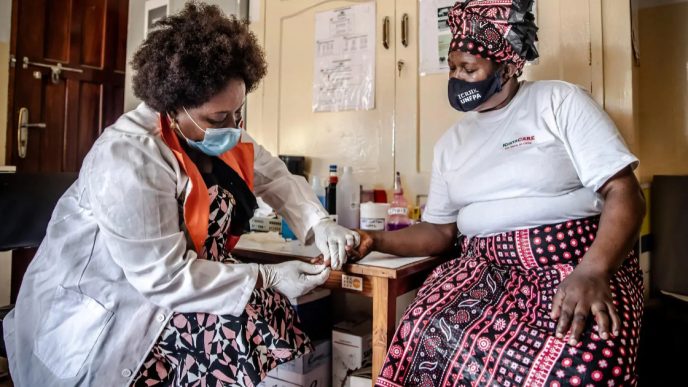
Some adult children work long hours or live in another city. Others live abroad and must arrange their parents’ care from a distance. When an older person needs help with medication, movement, meals or personal care, relatives may realise that love alone is not enough they also need trained support and constant supervision.
The choice can be difficult in Nigeria, where many families see caring for ageing parents at home as a duty. But families are increasingly spread across cities and countries, while work and other responsibilities leave less time for full-time caregiving.
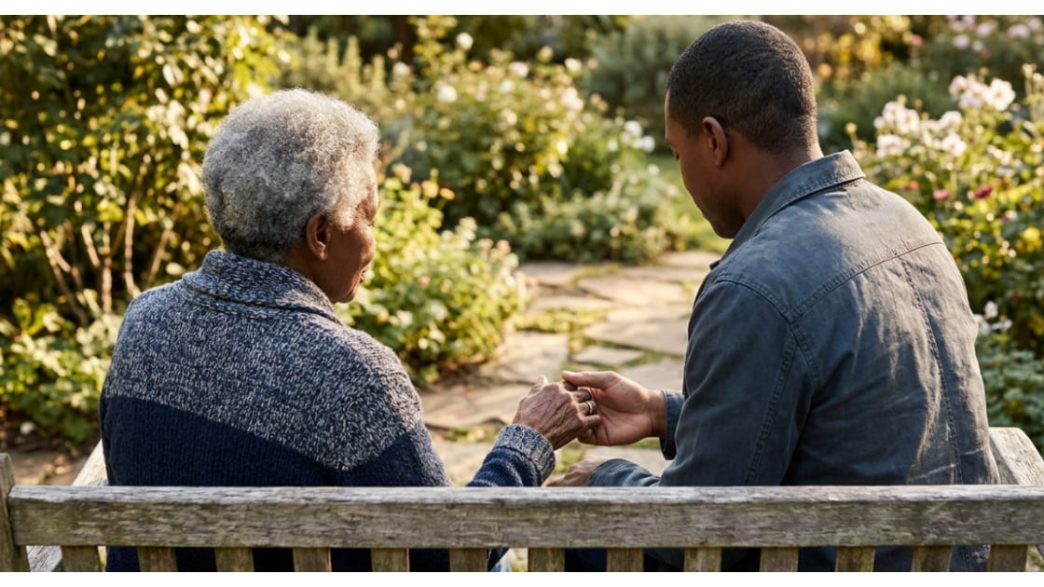
For some, moving a parent into a care home is not about abandoning them. It is about making sure they receive regular care, companionship and medical attention while their children remain involved through visits, phone calls and video calls.
Why Families Keep It Quiet
Guilt is a big part of it. The same paper says families often feel guilty after admitting a relative, and that many people see these homes as abuse or as only for the sick and dying.
Sobowale’s home speaks directly to that fear. Its stated principle is, “We do not replace family. We help families care better.”
ALSO SEE: Who Decides Where You Are Buried in Nigeria: Your Spouse or Family?
What It Costs
Of course, care isn’t cheap, and prices vary. BusinessDay reported in 2019 that Rockgardens charged ₦100,000 to ₦150,000 a month, so expect different rates today. Instead of a home, some families keep their parents where they are and pay for help. In May, Rockgarden’s homecare agency listed caregivers at ₦119,000 to ₦159,000 a month. Moving in full-time isn’t the only choice either. For instance, Lagos Metropolitan lists Winiseph Care Home as offering daycare as well as residential care.
If your family is considering one, visit first and ask for all fees in writing. After all, a good home should be happy to answer your questions.
READ ALSO: The Nigerian Emergency Folder Every Household Should Have

About The Author