


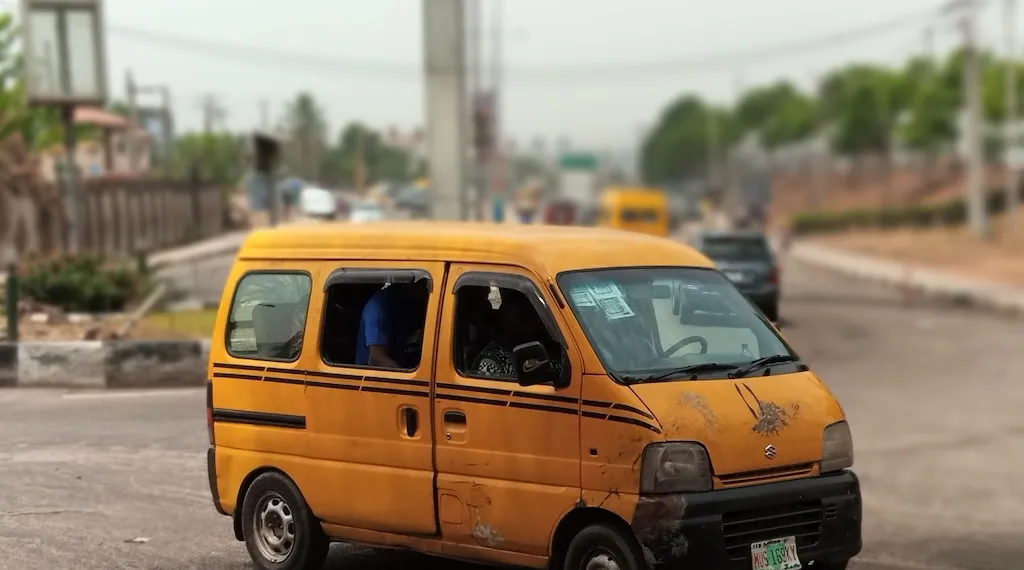
In an effort to improve commuter safety and modernise public transportation, the Lagos State Government intends to gradually remove small koropes (small minibuses) from main thoroughfares.
This was reiterated in a stakeholder meeting before the Lekki-Epe Bus Reform Scheme was introduced on 8 December 2025. The programme will launch exclusive regulated bus services along important routes such as Ajah–CMS (Marina)/Obalende, Ajah–Oshodi, Ajah–Berger, and Ajah–Iyana Ipaja.
What Happens Next?

As part of the new measures, the NURTW-affiliated Oneness will run express services between Ajah and Oshodi and Berger, while the regulated operator will continue to provide stage carriage services. 
Buses will display Lagos State’s blue-and-white colours, TAP stickers, unique identifying codes, and QR codes for verification. Drivers will wear badges issued by the Ministry of Transportation.
229 medium- and high-capacity buses will be used in the first phase, and the Cowry card system will be the only way to pay for fares. Special Adviser on Transportation, Sola Giwa, threatened to arrest and prosecute passengers or operators who use cash.
ALSO READ: Burna Boy To Fund Funerals for California Shooting Victims – PR Move or Compassion?
What Would Lagos Look Like Without Koropes?
The Lagos State Government has many noble policies, but few actually benefit the common man or provide the best alternative solution.
“We need to take a lot of bad buses off the road. The Lekki–Epe Expressway is not isolated. We are working on other major transit corridors. The State Government also plans to remove the small buses, known as korope, from major highways and reassign them to feeder and community routes to strengthen the First and Last Mile bus scheme,” Giwa said.
Does this mean this will extend to other parts of Lagos? I have to worry that it would be so inconvenient for the thousands of commuters who ply the road, not to mention a significant loss of jobs for the drivers and conductors.
Though the government reps called the korope buses “unregulated” and “unsafe”, the other bigger buses available in Lagos, known as the Danfo, with their overheating and wooden chairs, are by far older and more ragged. The koropes are way more comfortable, not to mention they are part of the cultural atmosphere of Lagos.
We can only hope that the new buses brought to replace them will have fair rates and will be enough for the large population in Lagos State.
About The Author