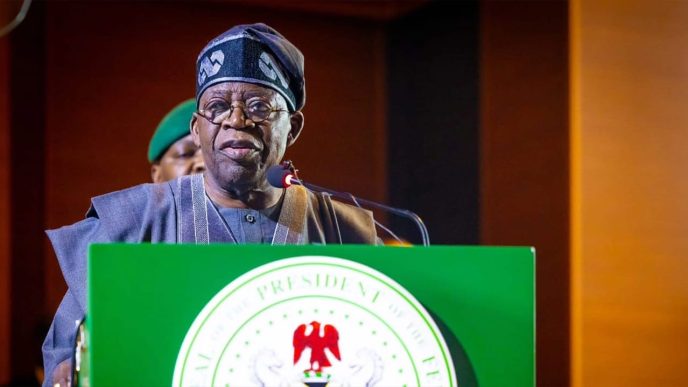



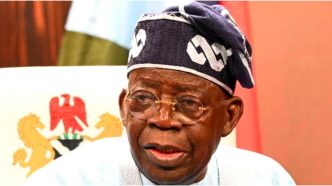
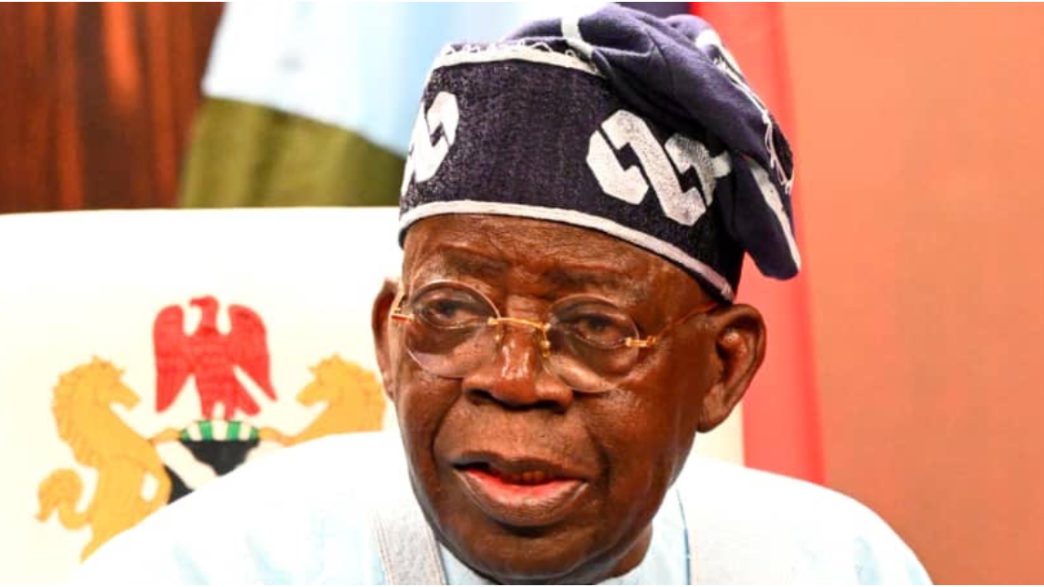
President Bola Tinubu has told Nigerians that the hardest part of his economic reforms is over. In his Independence Day address on Thursday, October 1, 2026, he said the country must now move from correcting its economy to making ordinary people better off.
In the address titled “From Reform to Prosperity,” Tinubu spent its first half defending the decisions of the last three and a half years, including the removal of fuel subsidies and the changes in the foreign exchange market.
He compared Nigeria in 2023 to a patient told he has cancer. The patient can take painful treatment or ask only for morphine to dull the pain. 
According to the president, past leaders chose morphine and passed the problem to the next generation. His government chose treatment, and he admitted the side effects were real. He also asked Nigerians to resist what he called regressive voices who want the subsidy back.
The president then declared that the emergency treatment is over. He said the age of reform has done its work and the age of prosperity begins.
The numbers he used
To show the treatment is working, Tinubu pointed to several economic indicators. He said the economy has grown by more than 4% this year, with both oil and non-oil sectors contributing.
He said oil theft is down, inflation has fallen substantially from its peak, foreign reserves have been rebuilt and the foreign exchange market has stabilised.
Tinubu added that Nigeria earned more than $6 billion from non-oil exports in 2025, the highest in its history. He also said foreign direct investment keeps rising each year.
However, two of these figures are specific, the growth rate and the export earnings. The others are described in general terms. Inflation, for example, is said to have fallen “substantially” with no number given.
Why the promises matter more than the figures
These indicators measure the economy. They do not measure what a family pays for food, transport or school fees. Tinubu acknowledged the gap himself. He said some families still struggle for the next meal, the next school fee or the fare to work. He said their hardship began long before his reforms and cannot be erased in four years.
The timing makes the promises harder to ignore. A day before the speech, the Nigeria Labour Congress said workers face a full-scale survival crisis. The union demanded a wage increase and a cut in petrol prices, according to Channels Television. The president’s pledge to bring down the cost of living will be judged against that demand.
With that background, here are the seven promises NBG Africa extracted from the president’s speech:
1. Lower cost of living
Tinubu named this as the government’s first priority. His plan is to cut the cost of producing and moving goods so that savings reach market prices.
The speech does not say how those savings will be passed on. It sets no price target and no timeline. Nigerians will have to wait and see.
READ ALSO: Independence Day, Audited: How Far Has Nigeria Really Come Since 1960?
2. Cheaper and safer farming
The government plans to expand mechanised irrigation and dry-season farming. It also promises better access to seeds and fertiliser and investment in storage and transport.
According to the president, the aim is to reduce the food lost between farm and market, which raises prices for consumers. These investments take several farming seasons to show results.
The president pictured a farmer who can cultivate safely, yet the speech says little about insecurity beyond thanking the armed forces.
3. Roads, railways and ports
Tinubu said the government is building and completing infrastructure that links farms and factories to markets.
However, the speech does not name the projects, give completion dates or state how they will be funded.
4. Jobs from industry
The president promised to use gas to power new industries and to support efforts to revive factories in industrial centres. He also pledged to invest in skills that employers want.
Reliable power for factories is one of the hardest items on the list. The speech says millions of young Nigerians enter adulthood every year but gives no target for the number of jobs to be created.
5. Internet access for neglected communities
He said digital connectivity will be extended to communities that have waited too long. No locations, timelines or costs were given.
6. Support for the poorest households
Tinubu said the government is strengthening direct support and improving the National Social Register. He also cited the Nigerian Education Loan Fund for students from low-income families and CREDICORP, which gives working Nigerians access to consumer credit for items such as solar systems and vehicles.
These are the only promises tied to programmes that already exist. That means they can be audited now. The speech does not say how many households or students they have reached.
7. Health, education and wages
The president said the government will work with states and local governments to strengthen primary healthcare and basic education. He added that salaries and pensions have been paid on time and in full since 2023.
Primary healthcare and basic education are largely run by states and local councils. Federal promises in these areas depend on what those governments do. The wage record is a past achievement and offers little to those without jobs.
What to watch
Tinubu closed with a call to go forward with “no looking back.” He said the foundations are strong and the direction is clear.
The direction is set out in the speech. The plan behind it is still missing, with no dates, budgets or targets attached to most of the promises.
The next test is whether the coming budgets fund agriculture, power and social support at the scale the speech suggests, and whether prices in the market begin to fall.
ALSO READ: Nigeria at 66: How Nigerian Are You? Put Your Identity Papers in Order
Written by Muhammad Tanko and edited by Sola Sanusi.

About The Author