



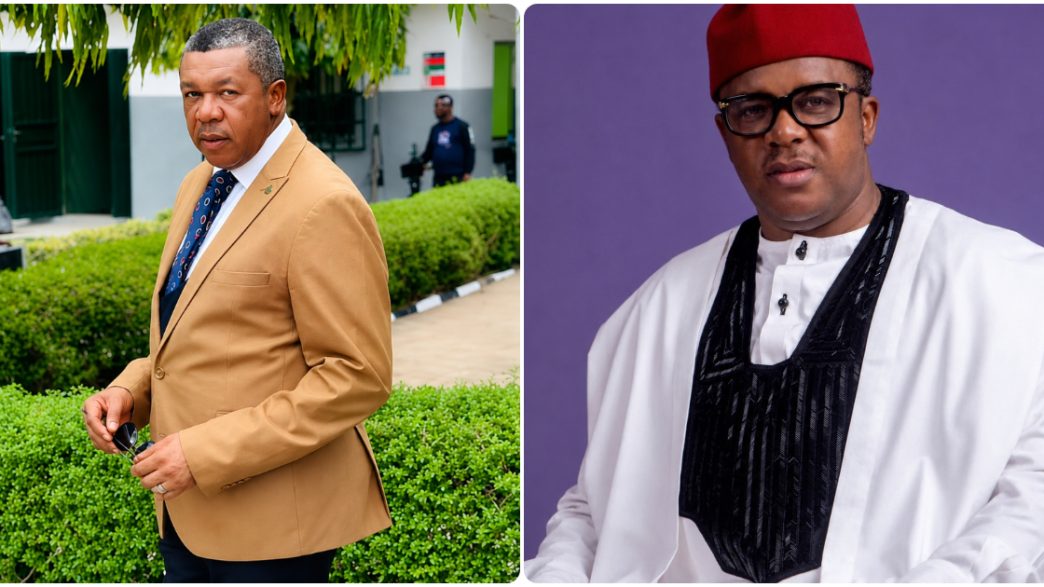
Francis Duru, Veteran Nollywood actor has urged Igbo filmmakers to learn from the Yoruba film industry and do more to promote their culture, history and heritage.
Duru made the call during a recent interview on Gbam, aired on the Yan Kontent Factory YouTube channel.
Francis Duru Urges Igbos to Learn from Yoruba Filmmakers
During the interview, the host asked Duru why big Igbo producers and major Igbo films no longer dominate the industry, while Yoruba music, films and cultural content continue to receive widespread attention. 
Responding to the question, Duru said the Yoruba people had successfully promoted and protected their own culture, adding that the Igbo people needed to learn from their approach.
“When they say charity begins at home, that’s what has happened to the Yorubas. We need to learn from them. If you don’t protect your own, if you don’t project your own, who would do it?”
‘Protect and Project Your Own’
Duru expressed disappointment that the Igbo community had created an industry but had not done enough to sustain and promote its cultural stories.
He said, “We created an industry. It’s so shameful. If you go to Netflix today, you will hardly see a film that speaks of Igbo heritage. It’s so annoying.”
The veteran actor praised the Yoruba community for creating opportunities and taking advantage of them to promote its people, stories and culture.
He questioned why the Igbo community failed to recognise and pursue similar opportunities when they emerged.
“The Yorubas created an opportunity for themselves and utilised it very well for themselves. So why were you not learning? Why didn’t you see it?”
READ ALSO: ‘Koleoso’ Breaks Record as First African Series to Hit 100 Million Views on YouTube
Francis Duru Criticises Missed Opportunities
Duru said some Igbo people allowed pride and the belief that they had already achieved success to prevent them from recognising new opportunities in the entertainment industry.
He explained that filmmakers and producers needed to remain proactive and identify emerging markets instead of relying on past achievements.
He said, “Because of that same concept, you think that you are the big man, you, yourself and you, but you forgot that there would come a time that you need to be expansive, that you need to be proactive and ask yourself that there is a new market space, why am I not there?”
Actor Praises Yoruba Cultural Support
Duru also argued that many of the people who started some of these ventures initially operated as traders, but others recognised the opportunities they created and developed them further.
He said, “But like I said earlier, most of the persons who began those things were mere traders. So you created something that people saw the gold in it, they perfected themselves, got together, called their people, and the people are able to spend money and all of that.”
According to Duru, the Yoruba community’s commitment to its own culture has helped its stories and entertainment gain greater visibility.
He said, “So the Yorubacentric nature protected their own. So when people say why are the Yoruba people on our faces, I say no, don’t get angry with them. These are people who saw their own and protected their own. What happened to you?”
READ ALSO: Nigerian Movies and Producers That’ve Grossed a Billion
Duru Calls for More Igbo Historical Films
The actor also questioned why the Nigerian film industry rarely tells the stories of prominent Igbo figures despite the region’s rich history and contributions to Nigeria.
He said, “We have how many great men in Nigeria? When was the last time you saw the epic of one of these great men?”
Duru also raised concerns about the involvement of Yoruba writers in telling Igbo stories, arguing that some of these portrayals fail to accurately represent Igbo identity and heritage.
“We have great writers who are writing for these Yorubas. We see the Yorubas crossing over to write the Igbo’s story and made a mess of who we are.”
Duru’s comments highlight his call for greater investment in Igbo stories, filmmakers and cultural content, particularly as streaming platforms continue to create opportunities for African films to reach international audiences.

About The Author