


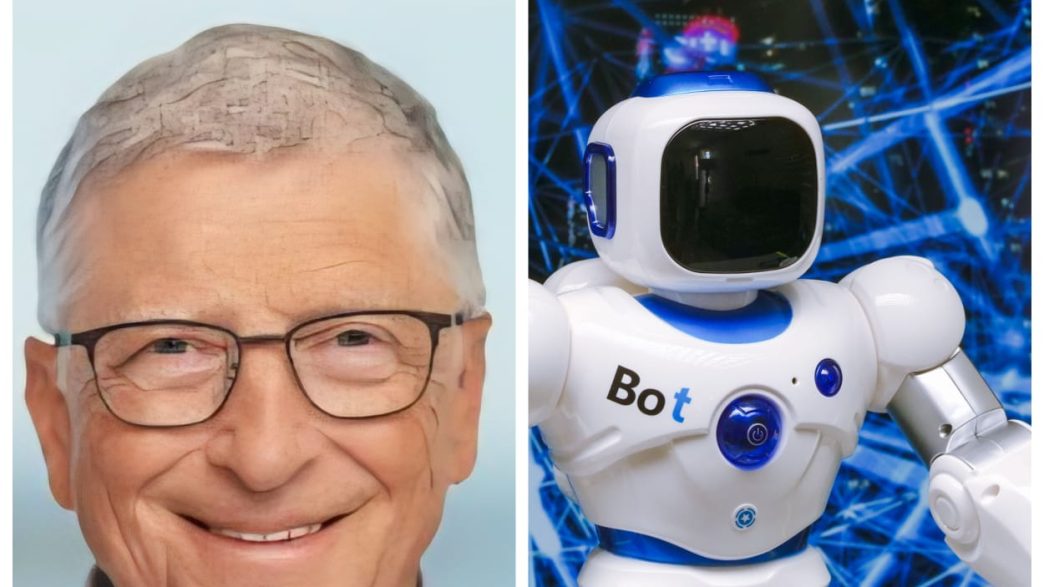
What if a machine can do your job perfectly — and society still decides that a human should do it?
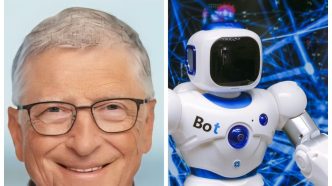
That is the provocative question Bill Gates is putting on the table as artificial intelligence rapidly reshapes the workplace.
In a new essay published on Wednesday, August 26, the Microsoft co-founder proposed a concept he calls “Human Reserved” jobs: roles that society could deliberately keep for people even when AI or robots are technically capable of taking them over. 
Gates compares the idea to a nature reserve — something we could develop, but choose not to because losing it would be too costly.
And he is not talking about a handful of sentimental exceptions. In an extreme version of the idea, Gates told Axios, a U.S.-based news organization, he could imagine up to 40% of jobs initially being reserved for humans.
For anyone who earns a living, that raises a much bigger question than whether AI will become smarter: Are there some things we simply should not hand over to machines?
Which jobs could stay human?
Gates points to work where human presence, empathy, trust or judgment matters.
He mentions childcare and jury service as examples of roles people may decide should remain human. In healthcare and education, however, he does not advocate banning AI altogether. Instead, he sees a future where humans remain in charge while using AI to extend what they can do.
Gates’ most personal example comes from healthcare. He recalls the professionals who cared for his father, who died after living with Alzheimer’s disease, and argues that some moments of care cannot be reduced to efficiency. A robot might one day be able to deliver devastating medical news, he notes, but being capable of doing something does not necessarily mean it is the right thing to do.
He sees a similar balance in education and mental health: AI could handle tasks, provide information and support professionals, while humans remain responsible for the decisions and relationships that matter most.
That is the real point behind “Human Reserved.” Gates is not saying technology should be shut out of these professions. He is asking whether, even when AI becomes capable, society should deliberately protect the parts of the job where human presence matters most.
Gates says AI could hit workers hard
The 40% figure is only one part of a much broader warning. Gates expects AI to disrupt both white-collar and blue-collar work, with customer support, software engineering and paralegal roles among those he expects to feel the impact early. He also believes increasingly capable robots could compete with workers in areas such as construction and hospitality by the end of the decade.
He expects AI to continue affecting jobs such as software development, law and customer service, while increasingly capable robots could eventually compete with people in areas such as construction and hospitality.
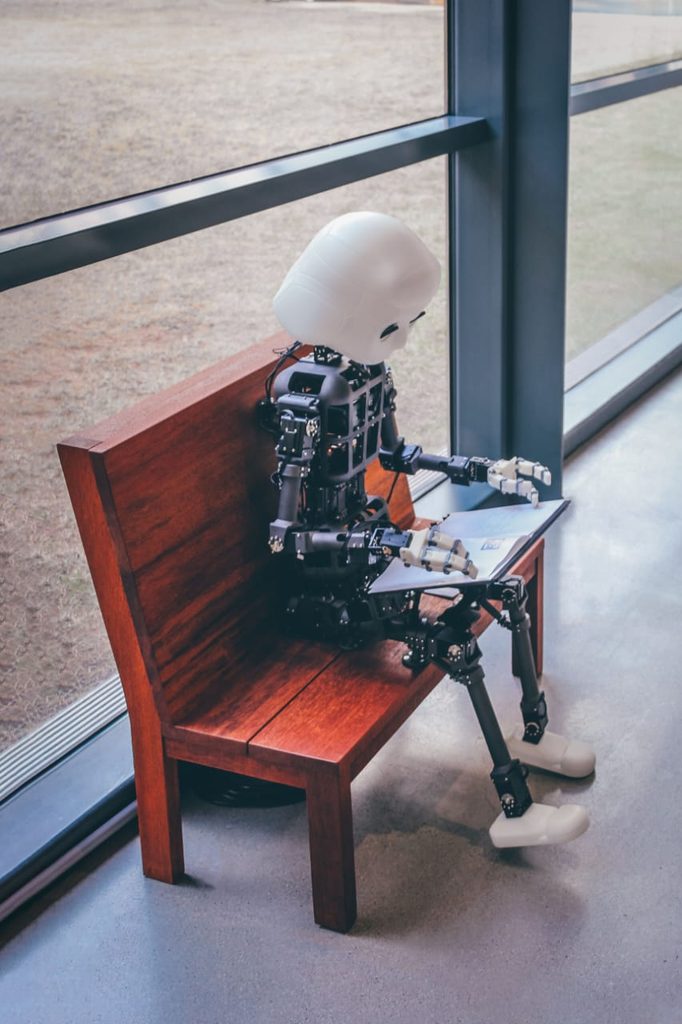
That makes his warning different from the familiar “AI will replace office workers” debate. Gates believes physical jobs could face serious pressure too as robots become more dexterous, capable and affordable.
READ ALSO: China’s Robot Olympics: Why the World Is Watching Humanoid Machines
Why Gates wants governments to step in
Gates’ argument is that governments should not wait until workers are already losing their livelihoods before deciding what to do.
One proposal is to reconsider the way AI and automation are taxed. He suggests taxing AI computing tokens and robots, partly to slow the financial incentive for companies to replace workers rapidly and partly to raise money for retraining and social safety nets.
His concern is that the current tax system can make machines financially attractive compared with human workers, while society absorbs the consequences of displacement.
He is particularly concerned about workers who cannot realistically retrain. In his essay, Gates points to a 55-year-old construction worker who has spent a lifetime in the trade and questions the assumption that such a person can simply be told to start again in an entirely different occupation.
For younger workers, the warning is just as significant. The jobs they train for today may look very different by the time they build their careers.
Gates is not against AI
Despite the alarm in his latest essay, Gates is not arguing that AI should be stopped.
He has repeatedly argued that AI could transform healthcare, education, agriculture, scientific research and government services. In January, he wrote that AI could be a powerful force for good, while warning that its benefits must reach more than people who already have wealth and influence.
His message is that technological progress without a plan could leave society struggling to deal with the consequences.
That makes the “Human Reserved” idea especially interesting. It asks a question technology companies cannot answer on their own: Is efficiency always the highest goal?
A machine might be faster at a task. An AI system might be cheaper. A robot might never get tired. But that does not automatically mean people will want those machines to replace humans in every situation.
For readers in Nigeria and across Africa, the debate is worth watching closely. AI is already entering education, banking, media, customer service and professional work. The opportunity is enormous, but so is the question of who benefits when machines become cheaper and more capable than people.
The question Gates leaves behind
Gates says the choices being made now could determine whether AI becomes a force that spreads opportunity or one that concentrates wealth and power.
The roles he has singled out — from caregiving, education and mental health to childcare, jury service and some construction work — all raise the same question: what do people value beyond speed and efficiency?
His warning arrives as companies race to bring AI into everyday work, making that question deeply personal for millions of workers.
The idea may sound unusual, but it points to a question that could become increasingly difficult to avoid: Which jobs should technology change, and which should society decide are worth keeping human?
Gates has offered a provocative starting point. Now governments, employers and workers face the harder question: who gets to draw the line before the technology draws it for them?
READ ALSO: Is Pope Leo’s AI Warning An Indictment Of Technology

About The Author