





The cameras roll. The designer outfits go on. The Instagram stories show champagne, premieres, and airport flexes. But beneath the filters and the fame, something else is happening.
Shine Rosman said most Nollywood actors are struggling financially during a podcast with colleague Baaj Adebule. The room got quiet. She said what many are afraid to admit.
Many Nollywood actors are struggling; Shine Rosman openly expressed this struggle. 
The Interview That Cut Deep
During a recent episode of a podcast hosted by her colleague Baaj Adebule, the actress addressed what she calls one of the biggest myths about the Nigerian film industry.
“The most overrated misconception about Nollywood stars is that we have money,” Rosman said.
She did not say it with anger. She said it with the kind of tired honesty that comes from watching people assume things that are simply not true.
“I don’t know why people assume we have money,” she continued. “Some of us do have money, but from other ventures. But many of us are struggling financially.”
Those six words, “Many of us are struggling financially,” would sound strange because they came from someone who is supposed to have made it.
The Truth About the Glamour

Shine Rosman is not unknown. She is a fast-rising Nollywood actress, model, TV host, and content creator with credits including ‘To Kill A Monkey’, the Kemi Adetiba-directed series that held the number one spot on Netflix upon release. She has over 400,000 Instagram followers, a net worth estimated between $150,000 and $200,000, and a public profile that suggests success.
But here is the nuance that gets lost. Even that net worth does not come from acting alone. Like many of her peers, Rosman earns from multiple streams. Brand endorsements. Modelling. Content creation. Hosting gigs.
Without those side ventures? The maths looks very different.
The Veterans Who Have Been Saying This for Years
Shine Rosman is 29. She is speaking now, but the veterans have been speaking for decades and their stories are harder to ignore.
Patience Ozokwor, Mama G herself, put it bluntly on the Curiosity Made Me Ask podcast hosted by Is Bae U.
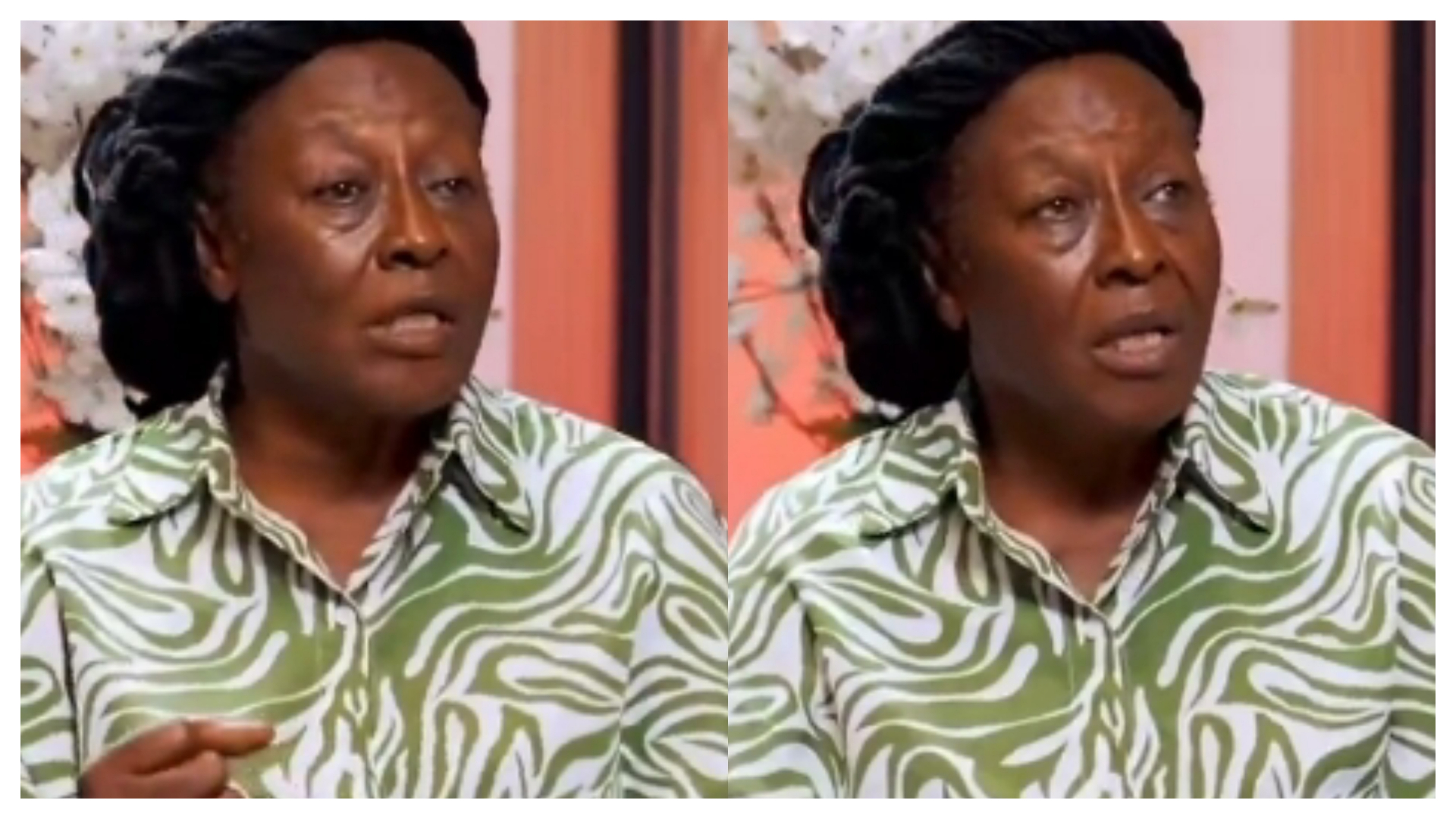
“The problem why you see us beg is because they don’t give us royalties,” she said. “We just work and toil so hard, and then that peanut, that money you gave us to come and shoot, is the only thing we get.”
She compared Nollywood to developed countries where actors earn residuals for life.
“Go and look at the smallest actors in developed countries. Every work they do fetches them money every day of their lives. Even when they are gone, their families still live on that. We are still working hard,” Ozokwor said.
Sunday Afolabi, the veteran actor best known for his role in the 1996 classic ‘Owo Blow’, was recently spotted working as a danfo driver. Not for content. Not for a movie role. To survive.
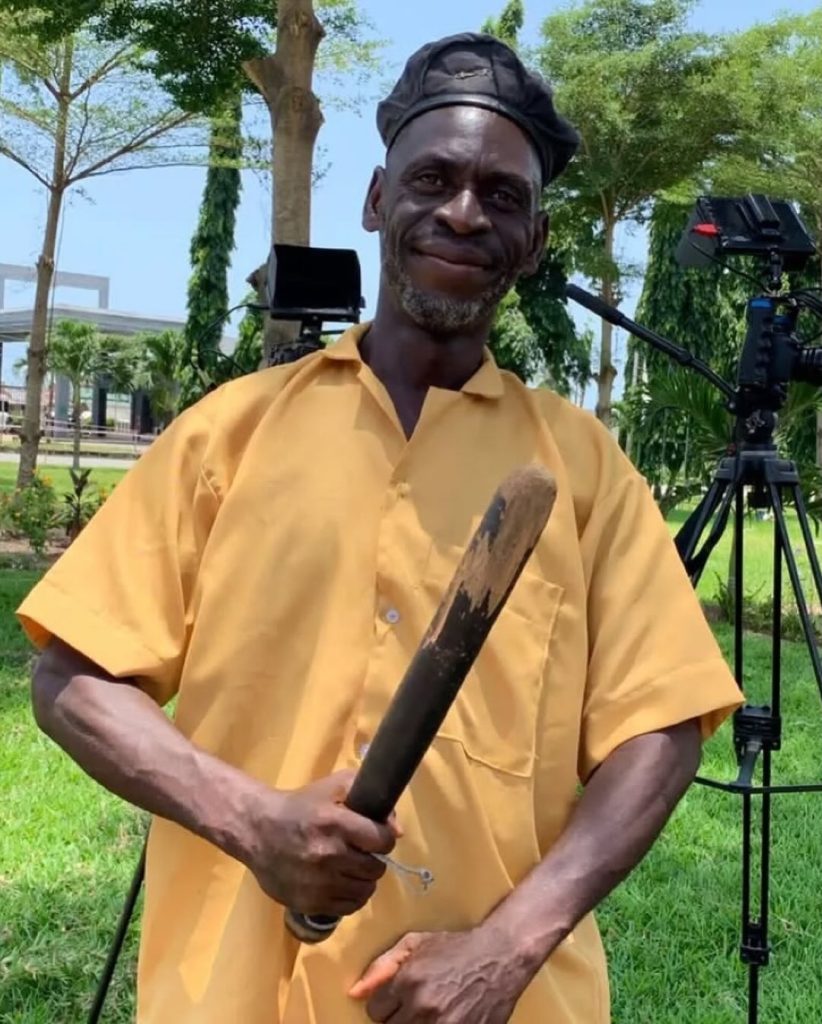
“No one should joke with their life,” he said in an interview last year. “One has to wake up with hope. But being hopeful does not mean you should sit around doing nothing. I prefer to work because I never know when the next acting role will come.”
Afolabi made it clear that he refused to remain idle while waiting for casting calls. He drives a bus. He calls out to passengers. He ushers them in. And he is not ashamed.
Abiodun Ayoyinka, the actor behind the beloved Papa Ajasco character, has revealed he owns neither a house nor a car.
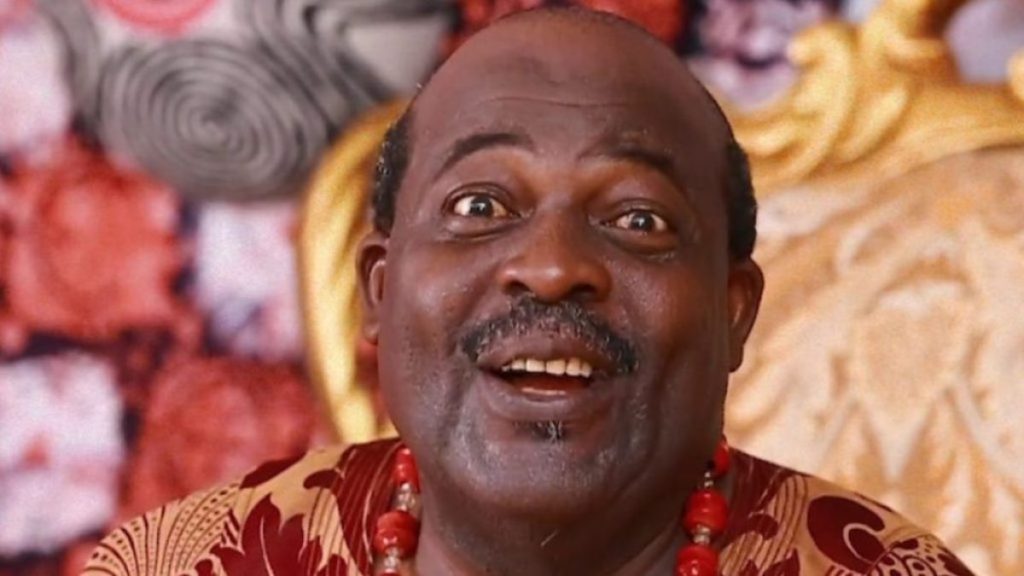
The character that made him famous is trademarked by producer Wale Adenuga, blocking him from endorsement deals and advertising campaigns without prior approval. Production on the sitcom has become so irregular that it sometimes resumes only once every two years. He has appealed to strangers for financial support.
Roy De Nani, a veteran actor, recently broke his silence on a different kind of loss. He lost a son and a daughter to sickle cell disease.
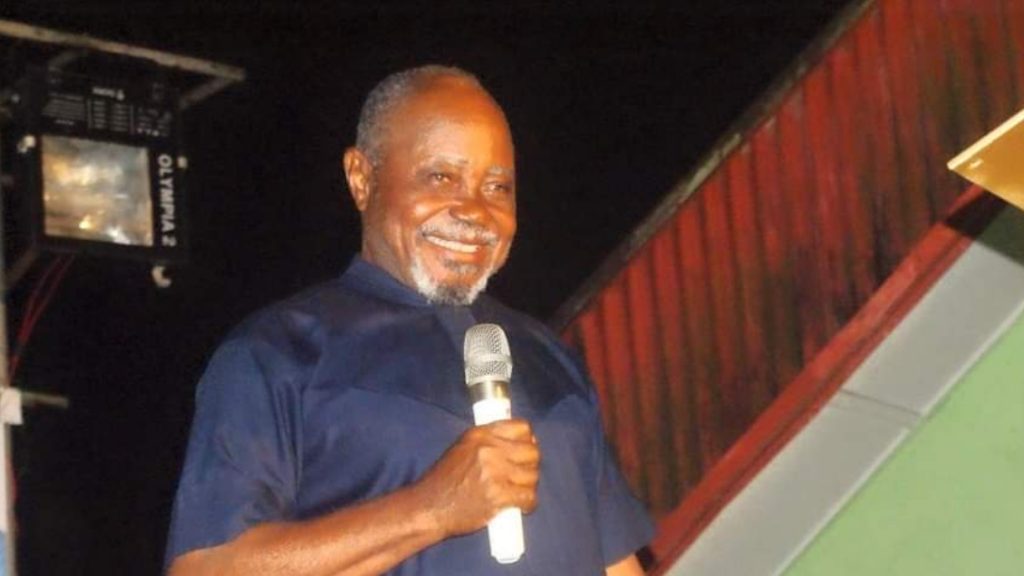
Both required blood transfusions he could not afford. His colleagues never reached out. No visits. No calls. He did not accuse them of malice. But he said they had not been moved. The distinction felt worse than outright condemnation.
The Structural Problem
Here is what all these testimonies point to. A single, broken structure.
Nollywood operates largely on a one-time payment model. You get paid for the days you shoot. That is it. Whether the movie becomes a Netflix number one or disappears into obscurity, your check remains the same.
Kanayo O. Kanayo recently submitted a formal proposal to the Actors Guild of Nigeria calling for lifetime royalty payments for actors whose work appears on streaming platforms. He argued that the existing model is the root cause of the financial precarity veterans face in their later years.
The proposal has faced pushback. Most Nollywood productions are independently financed. There is no studio system. No pension infrastructure. No residuals. Just a check, a handshake, and a prayer for the next role.
The Pressure to Fake It
Shine Rosman touched on something else in her interview. The pressure to look rich even when you are not.
Social media has changed the game. Brand endorsements often go to actors with the biggest followings and the most aspirational feeds. So actors post the rented cars. The borrowed outfits. The curated glamour shots. Not because they are living that life, but because they need to look like they are living that life to get the next pay cheque.
It is a cycle and it is exhausting.
What Needs to Change
Shine Rosman’s interview did not offer solutions. She was speaking her truth, not fixing an industry. But the veterans have been offering solutions for years.
1. Royalties for streaming content. If a film lives on Netflix for five years, the actors who made it should not be paid just once.
2.Pension protections for veteran actors who built the industry before anyone was paying attention.
3. Financial transparency from the Actors Guild of Nigeria about what structures actually exist for struggling members.
Patience Ozokwor said it best: “That’s why everyone is running to YouTube.” Actors are taking control of their own distribution. It is not a perfect solution. But it is something.
SEE ALSO: Is Adekunle Gold a Hypocrite?
The Bottom Line
Shine Rosman said what many actors whisper backstage. She is doing better than many of her colleagues, yet she still felt the need to say it out loud: “Many of us are struggling financially.”
That is not a complaint. It is a warning.
The next time you see a Nollywood star living large on Instagram, remember Sunday Afolabi behind the wheel of a danfo. Remember Papa Ajasco with no house to call his own. Remember Roy De Nani burying his children while his colleagues never called?
The glamour is a performance. The struggle is the reality.
Until the industry fixes its broken economics, more actors will keep saying what Shine Rosman just said. Not because they want pity. Because they want the world to finally understand.

About The Author