


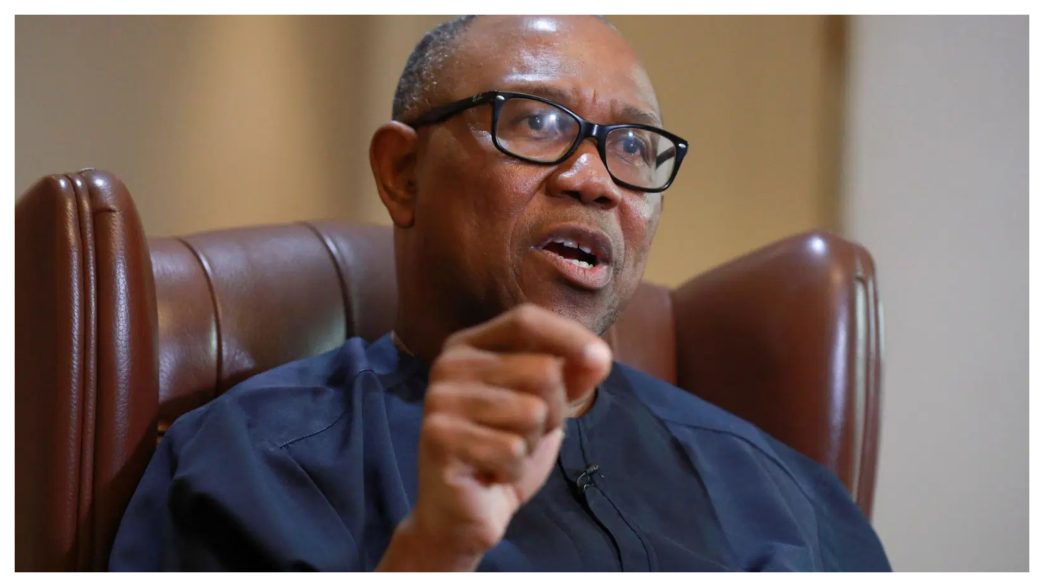
Let me be honest with you. When the news broke yesterday that Peter Obi had left the ADC and formally joined the NDC alongside Rabiu Kwankwaso, the first reaction from most people was not surprise. It was something closer to exhaustion. Again?
And I get that. On the surface, this looks like a man who cannot commit. Labour Party, then ADC barely six months ago, now the NDC. At some point the pattern starts to look less like principled movement and more like political restlessness.
But here is what I keep coming back to when I sit with this story properly. 
The Statement Nobody Read Carefully
Obi’s statement on Sunday was not the statement of someone chasing power. It read more like someone genuinely tired. He described Nigeria’s political environment as increasingly toxic, one where intimidation, insecurity, and endless scrutiny have become normal. The very system that should create opportunities, he argued, often works against the people instead.
Twice in the same statement, he clarified that he bore no personal grievances against David Mark or Atiku Abubakar. The exit was not about them. The same forces that destroyed Labour Party from within had followed him into the ADC, court cases, internal battles, suspicion and division, all focused more on control than on service.
Now, you can read that as a man making excuses. Or you can read it as a man accurately describing how Nigerian politics works, where any serious opposition movement gets quietly dismantled before it becomes a genuine threat.
The “Nomad” Argument
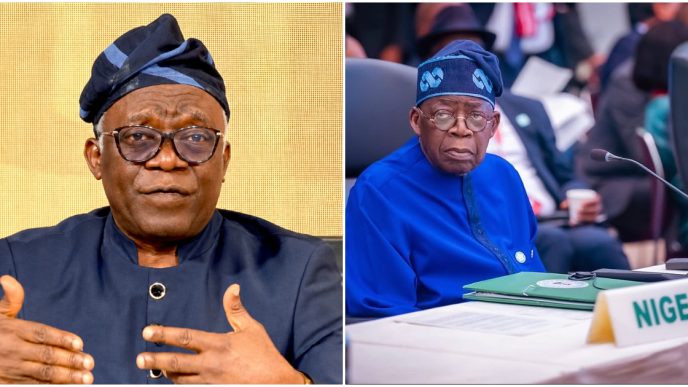
Tinubu’s aide Bayo Onanuga wasted no time calling Obi a “political nomad.” He accused him of avoiding a real contest. This is an interesting charge to level at someone who ran for president and received millions of votes.
The “nomad” framing is convenient. It shifts the conversation away from why the parties keep collapsing and redirects it toward Obi’s loyalty. That is a much safer argument for those currently in power.
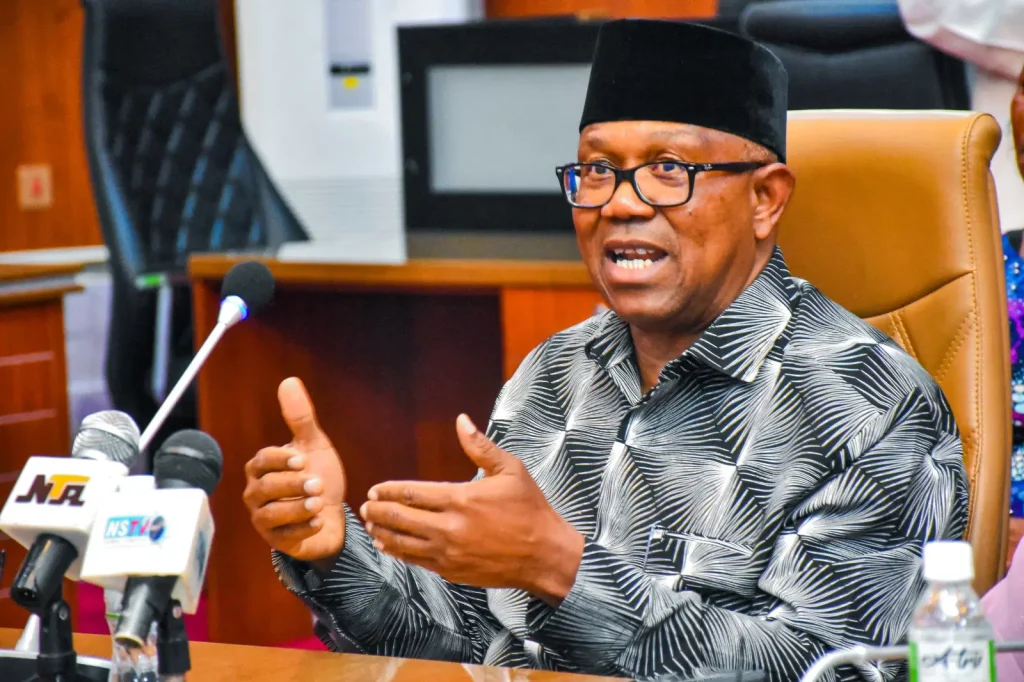
The NDC Gamble
The NDC itself is fresh. Senator Seriake Dickson, its national leader, described it as Nigeria’s fastest-growing and most stable political party, no factions, no litigation. Whether that holds once real pressure arrives is another question entirely.
Obi seemed to know this. His first words upon joining were essentially a plea, to party members, to government, to anyone listening to simply let the NDC breathe. “Please, let there be no litigation. Party members, please, don’t go to court.”
That is not the language of a confident man. It is the language of someone who has been here before and knows exactly how it ends.
SEE ALSO: Nigeria’s Electoral Body INEC Caught Lying Twice
The Real Question
Peter Obi is not Nigeria’s problem. Nigeria’s political structure is Peter Obi’s problem. A country where every serious opposition party gets sued, infiltrated, or fractured before an election cannot expect principled politicians to stand still. The ones who do stay in one place have simply made their peace with how the game is played.
Whether the NDC survives long enough to matter in 2027, that is the question worth asking. Not which party card Obi is currently holding.

About The Author